

The Salkantay Trek is one of the most famous alternatives to the classic Inca Trail Route, and taking this route alone does not mean walking the Andes without support. Unlike the Classic Inca Trail, the Salkantay route does not require government trekking permits, which gives independent hikers much more flexibility. Still, for most Salkantay trek solo travelers, choosing between a shared group departure and a private expedition determines the budget, pace, and overall comfort of the trip.
This guide explains how joining a small group works, how single supplements are handled, and when a private trip makes more sense. It also outlines safety protocols, tent-sharing rules, and booking timelines so you can plan your trek to Machu Picchu with clear expectations.
Can you hike the Salkantay Trek solo?
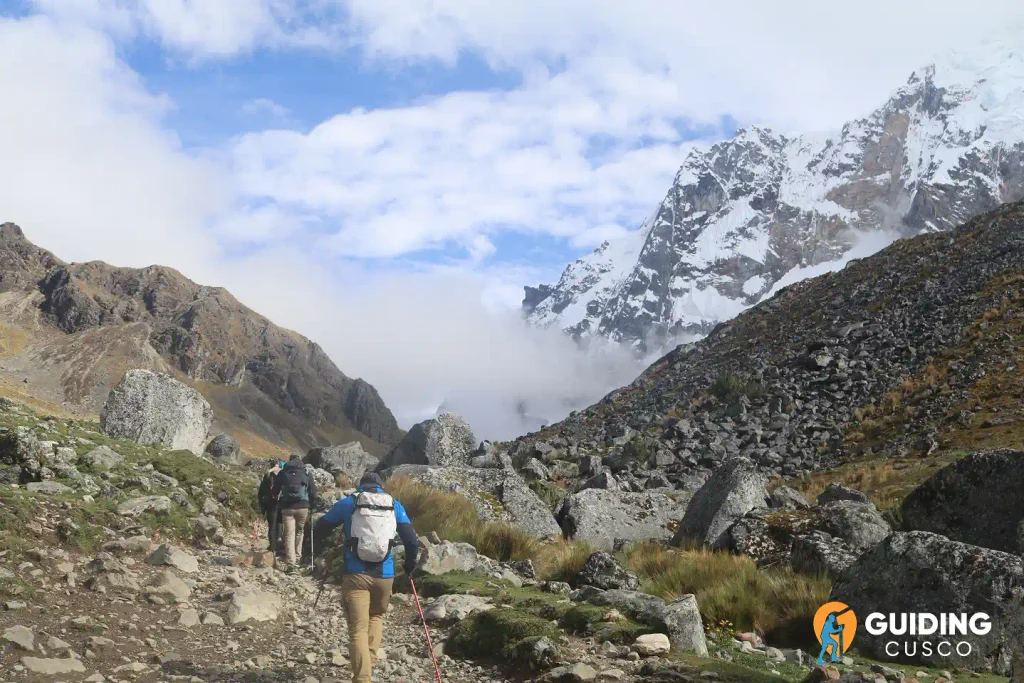
Technically, the Salkantay trail is open to independent hikers without a permit. However, the route climbs to 4,630 meters (15,190 feet) at Salkantay Pass and crosses remote mountain terrain with sudden weather shifts and limited phone signal. Carrying heavy camping gear at high altitude also turns a difficult trek into an exhausting one.
For this reason, almost all Salkantay trek solo travelers book through a licensed Cusco operator such as Guiding Cusco. A guided trek includes camp logistics, meals, horse or mule support for duffel bags, and Machu Picchu entry tickets. You still travel independently to Cusco, but on the trail you have a trained mountain guide and a support crew.
Group tours vs. private expeditions for solo travelers
The main decision for Salkantay trek solo travelers is whether to join an open group departure or book a private service. Each format changes how you spend money, set your daily walking speed, and interact with other hikers.
The table below compares both options across the factors that matter most when traveling alone.
| Feature | Small Group Departure | Private Expedition |
| Total cost | Low to moderate (shared logistics) | High (all fixed costs covered by one person) |
| Single supplement | Usually waived if sharing a twin tent | Built into the private per-person rate |
| Daily walking pace | Set by the group and guide | Fully adjusted to your speed and breaks |
| Departure dates | Fixed or open join-in dates | Any date you choose |
| Social atmosphere | Easy to meet other solo hikers and couples | Quiet, with one-on-one guide attention |
| Accommodation | Shared twin tents or shared domes | Private tent, dome, or hotel room |
Small group departures: the practical choice for most solo hikers
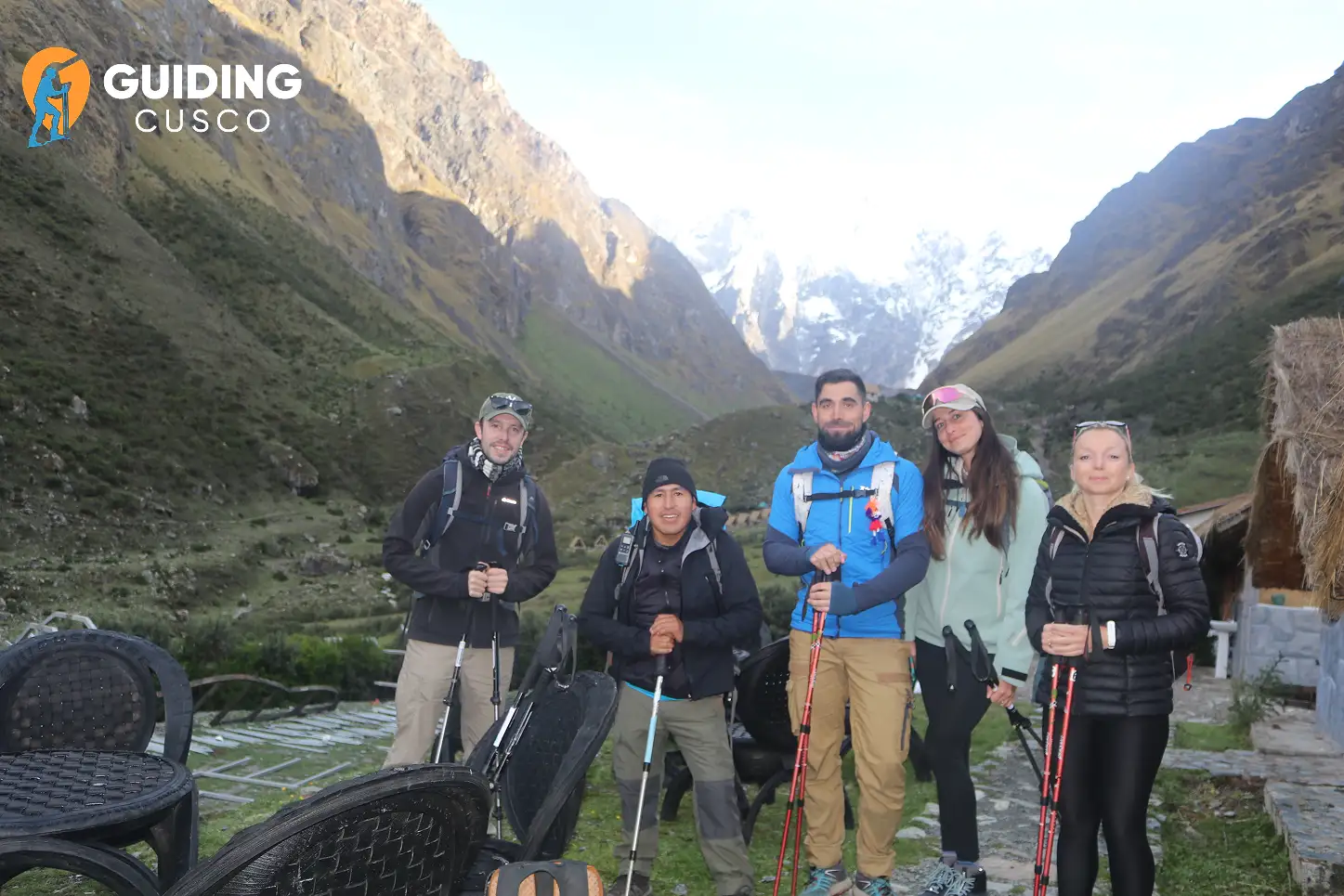
Joining a small group is the most common approach for Salkantay trek solo travelers. Operators group individual bookings together until a departure reaches its maximum size, usually between 8 and 14 hikers. Because guide wages, cooks, and pack animals are split among everyone, the price stays reasonable.
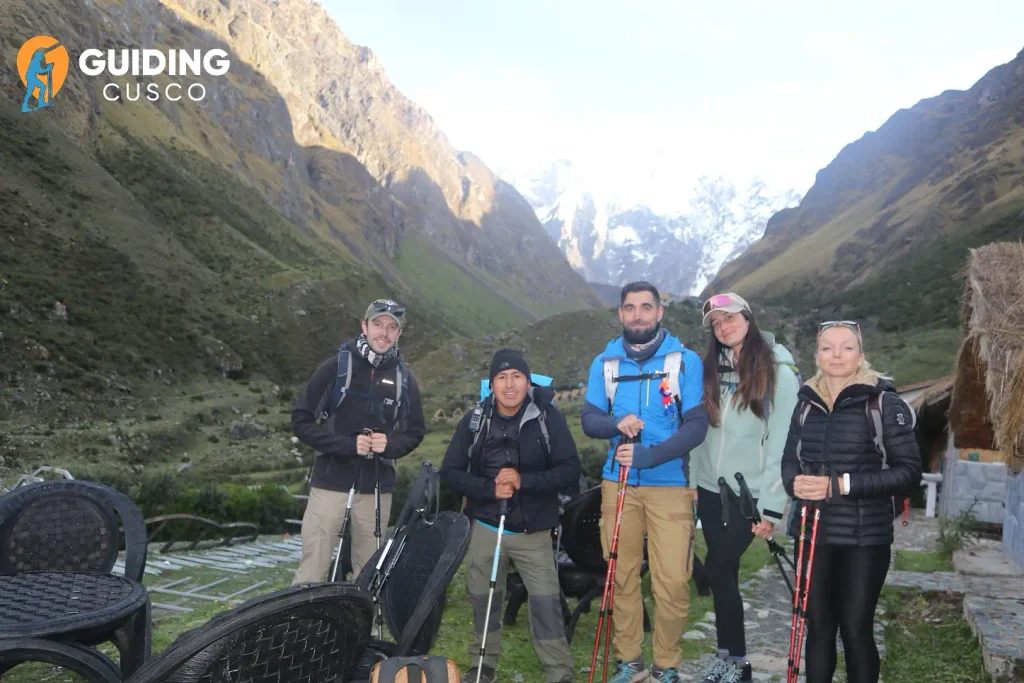
Group departures also solve the social side of solo travel. You share meals in the dining tent, walk with different people each day, and celebrate reaching Machu Picchu together. If you want a classic itinerary with cultural stops, the Salkantay Trek to Machu Picchu 5 Days with Andean Cooking Experience works especially well for solo joiners because cooking classes and shared meals naturally bring the group together.
Private expeditions: full control at a higher price
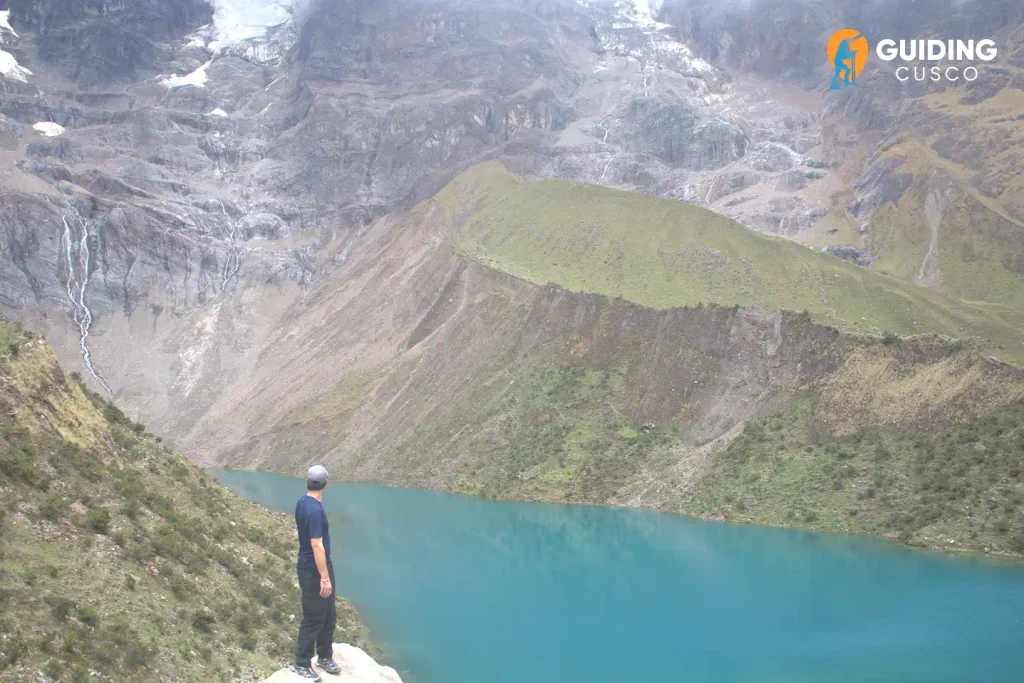
A private trek assigns a dedicated guide, cook, and muleteer team exclusively to you. You choose when to wake up, how long to rest at Humantay Lake, and whether to push ahead or take a slower pace over Salkantay Pass.
The drawback is cost. Because fixed expenses are not shared with other trekkers, a private expedition for one person often costs two to three times more than a group spot. Private trips make the most sense for photographers carrying heavy equipment, travelers with strict schedules, or hikers who prefer complete solitude at camp.
How single supplements and tent sharing work
One of the biggest concerns for Salkantay trek solo travelers is paying extra simply for traveling alone. On standard group departures, you do not have to pay a mandatory single supplement if you are willing to share a tent.
Operators pair solo travelers of the same gender in two-person tents or twin-bed mountain domes. On the final night in Aguas Calientes, you also share a twin hotel room with another trekker of the same gender. If an odd number of solo hikers join a departure, the operator usually provides a private tent at no extra charge.
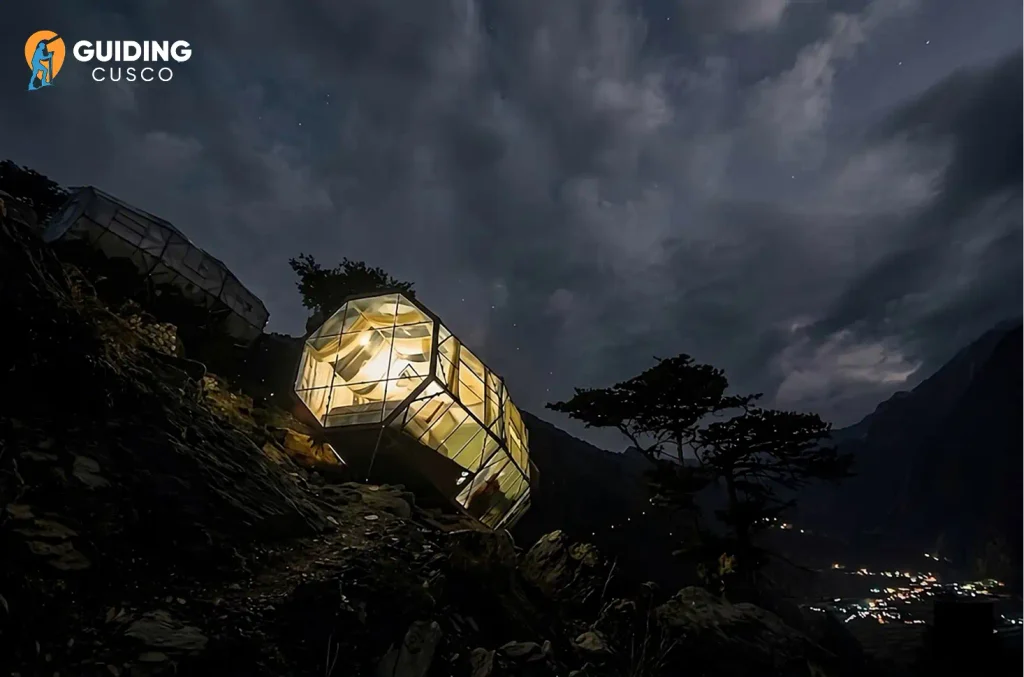
If you prefer guaranteed privacy every night, you can request a single tent and single hotel room supplement when booking. This fee typically adds between $60 and $120 USD to a standard group trek, depending on the itinerary length and accommodation style. Travelers looking for upgraded comfort from the start can book the Salkantay Trek Luxury Star Dome Experience 5 Days 4 Nights, which offers private or twin glass-roof domes with real beds and hot showers.
Choosing the right Salkantay itinerary when traveling alone
Not every Salkantay route moves at the same speed. Picking the right duration helps you match the trek to your fitness level and available days in Cusco.
- Fast-paced option: The Salkantay Trek 4 Days 3 Nights covers the core mountain pass and cloud forest sections on a tighter schedule. It suits fit solo travelers who want to reach Machu Picchu quickly without missing the main highlights.
- Classic balanced route: The 5-day itinerary remains the most popular departure for Salkantay trek solo travelers, which means it has the highest number of open join-in dates throughout the year.
- Extended route: The Salkantay Trek 6 Days 5 Nights adds extra time on the trail and reduces daily walking hours. Because fewer people book the six-day version, confirm early whether a group already has other sign-ups.
- Non-camping luxury alternative: If you want to see Machu Picchu and the Andes without sleeping in tents or hiking over a 4,630-meter pass, the Luxury Cusco & Machu Picchu Exclusive Inca Journey 5 Days 4 Nights replaces high-altitude camping with private transfers, curated cultural visits, and five-star hotels.
Safety and acclimatization tips for solo hikers
Traveling alone means nobody from home is watching your physical condition during the first days in Cusco. Proper preparation keeps minor altitude symptoms from cutting your trek short.
Arrive in Cusco at least two full days before your departure date. Use those days for light walks around the city or the Sacred Valley, drink plenty of water, and avoid heavy meals or alcohol. Guides carry first-aid kits, pulse oximeters, and emergency oxygen on the trail, so report any headache, dizziness, or nausea right away.
Before leaving Cusco, share your operator’s name, guide contact details, and daily campsite list with a family member or friend. Phone signal is absent between Soraypampa and Chaullay, so let contacts know you will be offline until you reach the lower valleys or Aguas Calientes.
Booking strategy to avoid solo surcharges
A little planning helps Salkantay trek solo travelers secure a spot on an active group without paying private rates.
- Ask about confirmed departures first: Before locking in your dates, ask the operator which days already have at least two confirmed hikers. Joining an existing group guarantees your trip will run at the standard group rate.
- Book 4 to 8 weeks ahead in peak season: From May to September, group departures fill quickly, and Machu Picchu entry circuits sell out weeks in advance. Booking early ensures you get the main citadel circuit alongside the rest of your group.
- Stay flexible by one or two days: In shoulder and rainy months like April, October, or November, shifting your start date by 24 or 48 hours often lets you join a confirmed small group instead of paying to open a new departure.
- Attend the pre-trek briefing in Cusco: Operators hold an orientation meeting the evening before departure. Attending gives you a chance to meet your guide and fellow trekkers, ask packing questions, and hand over your duffel bag.