
Peru rewards hikers with everything from ancient stone highways to high altitude passes and glacial lakes. Trying to maximize variety without constantly changing bases? The Cusco region is the smartest place to start. Country’s most famous routes, excellent logistics, a dense network of day hikes and multi day peruvian treks all sit right there.
This list keeps the title’s Peru wide promise, but deliberately focuses on Cusco hikes and treks, the area where most travelers can realistically experience the best hiking in peru in one trip. Along the way, planning notes on altitude, permits, seasonality, including the best time to hike machu picchu, and whether guided logistics make sense.
1) Inca Trail (Classic Machu Picchu Trek)
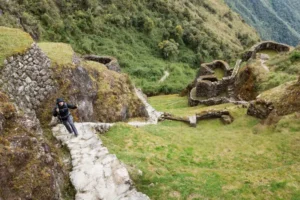
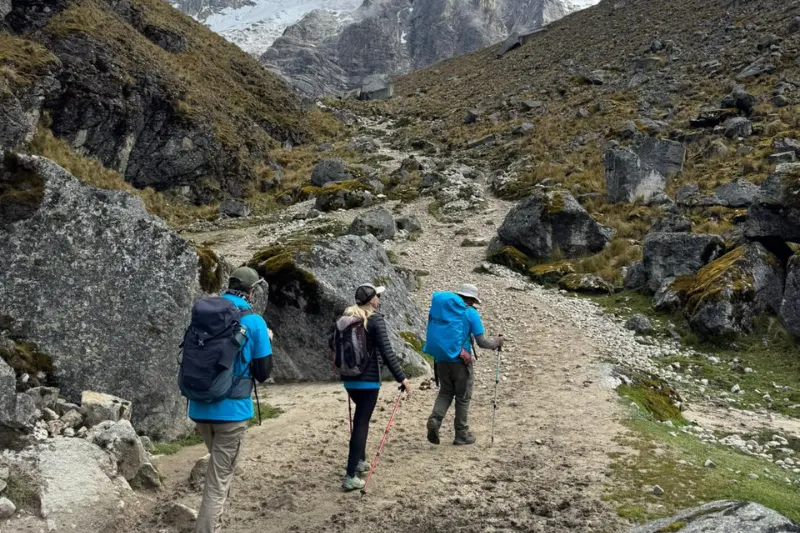
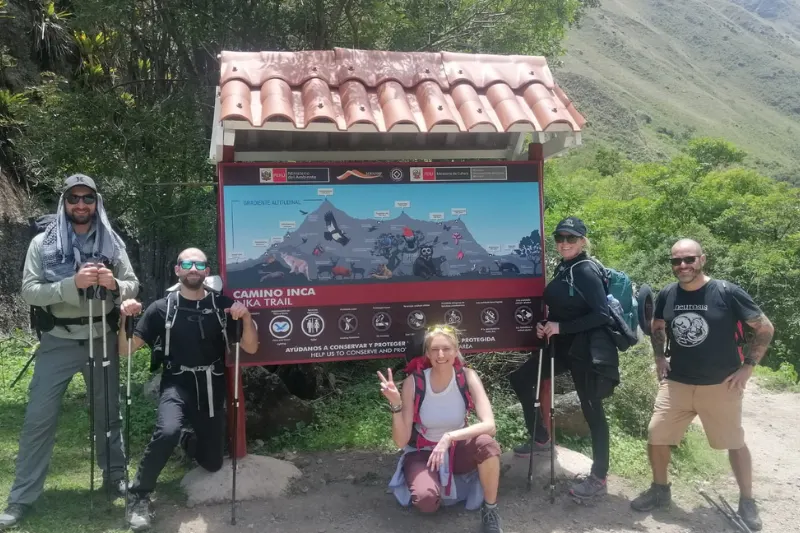
The classic inca trail trek remains the most iconic of all peru hiking trails. What elevates it isn’t only the finish. It’s the cumulative experience of walking original Inca pathways, passing through cloud forest, arriving at Machu Picchu via the Sun Gate.
Why it’s a top pick: historic continuity, a true archaeological corridor, not just a scenic route. High production value without feeling urban, maintained trail, regulated camps, curated access. Arguably the most satisfying «arrival» in Peruvian trekking.
Permits and booking matter a lot here. Permits are limited and typically sell out months in advance. Trip timing fixed? Treat the Inca Trail as the constraint that determines everything else, acclimatization days, hotel reservations, onward travel.
2) Salkantay Trek (High-Peak Alternative to Machu Picchu)
The Salkantay trek route is the most popular non permit alternative in the Cusco region, and a strong answer to «Best hiking in Peru» for travelers wanting big scenery with more schedule flexibility. A high pass under the Salkantay massif gets crossed before descending toward warmer valleys en route to the Machu Picchu zone.
What it’s known for: striking transitions between alpine terrain and subtropical forest. A more «expedition like» feel than the classic Inca Trail. Flexible formats too, guided camping, lodge to lodge, or semi independent variants.
Planning note worth remembering. Altitude and exposure can make the high pass day feel disproportionately difficult. Even fit hikers benefit from acclimatization around Cusco before starting.
3) Lares Trek (Cultural Highlands Route)
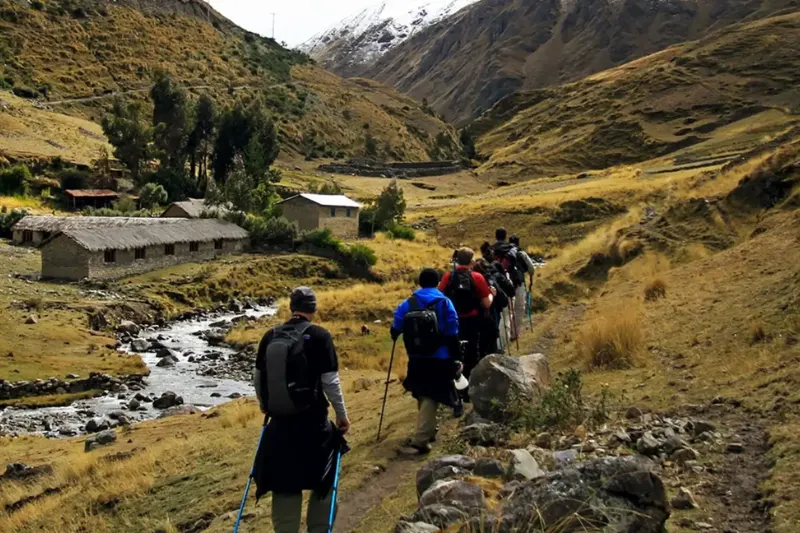
Wanting a trekking experience that centers Andean communities, pastoral landscapes, and quiet high valleys? The Lares Trek is the Cusco region counterpoint to Machu Picchu focused routes. Many itineraries connect to the Sacred Valley and can pair with a Machu Picchu visit via train, making it a practical way to blend culture and hiking without the Inca Trail permit bottleneck.
Why it belongs on a Peru list: consistently less crowded than Machu Picchu approach trails. Excellent for travelers wanting scenery plus lived in cultural context. Logistically efficient from Cusco too.
4) Ausangate Trek (Cusco’s High-Altitude Classic)
The Ausangate Trek ranks among the most impressive peruvian treks that doesn’t rely on Machu Picchu as its endpoint. A demanding, high elevation circuit, or semi circuit, with glacier views, intense light, and a feeling of remoteness despite being accessible from Cusco. Many itineraries include a soak near Pacchanta, an excellent recovery tool after long days at altitude.
Who it’s best for: experienced hikers comfortable with consecutive high passes. Travelers wanting «Andes first» rather than «ruins first.» Anyone prioritizing landscape scale over landmarks.
5) Choquequirao Trek (Remote Inca Citadel)
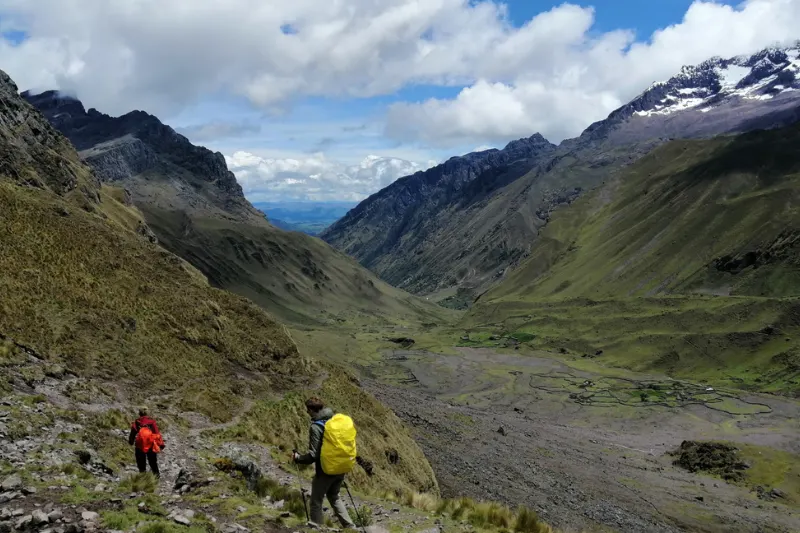
Choquequirao often gets described as the «other Inca city,» but that shorthand misses the point. Less a Machu Picchu substitute, more a rewarding trek to a major archaeological complex that still feels earned. The route runs steep, down then up, twice, and the effort acts as a natural crowd filter.
How it compares:The route of Choquequirao trek brings fewer visitors, bigger physical demand, a remote ambience. Machu Picchu offers easier access, heavier visitation, more infrastructure.
Wanting ruins without the density, and willing to pay with leg fatigue? This is one of the best Cusco region treks to prioritize.
6) Rainbow Mountain (Vinicunca) Day Hike from Cusco
The Rainbow Mountain (Vinicunca) hike from Cusco is popular for a reason. Those mineral bands can look surreal in clear conditions. The challenge sits in altitude rather than technical terrain, many visitors underestimate how slow the body can feel above 4,000 meters.
How to make it a better hike: acclimatize in Cusco first, ideally 2 to 3 nights, with light activity. Start early to reduce crowd pressure and weather risk. Bring wind protection, since conditions can change quickly.
7) Humantay Lake (Laguna Humantay) Day Hike
Wanting a high impact day hike that complements longer treks? Humantay Lake is an efficient option from Cusco. The payoff to time ratio runs excellent. A sharp ascent, then a glacial lake framed by rugged peaks. It also works as a useful «calibration hike» early in a trip. Humantay feeling unusually difficult? Treat that as a signal to slow down and extend acclimatization before committing to a multi day trek.
When to Go: Best Season, Including Machu Picchu Timing
For most Cusco region routes, the dry season, roughly May to September, is the most predictable window for trekking. Goal is the best time to hike machu picchu routes, Inca Trail or Salkantay? Those dry season months tend to offer better trail conditions and clearer mornings, but also higher demand. Shoulder months can work as a good compromise for anyone tolerating variability and wanting fewer people.
Altitude: The Real Variable Behind «Difficulty»
In the Cusco region, elevation often matters more than mileage. A modest day hike can feel punishing arriving from sea level and going immediately hard.
Practical altitude strategy: give yourself 2 to 3 acclimatization days in or near Cusco before a major trek. Prioritize sleep, steady hydration, conservative pacing. Use day hikes, Sacred Valley walks, Humantay, easier Cusco trails, as gradual exposure. Medical questions or a history of altitude issues? Consult a clinician before traveling.
Guided vs. Self-Guided: A Clear-Eyed Decision
Some peru hiking trails are straightforward day trips. Others run remote, high, and logistically dense. Choose based on risk tolerance and desired workload, not pride.
Guided is typically the better choice for the Inca Trail (required), Ausangate (high elevation, variable weather, camping logistics), and Choquequirao (long, steep days; transport and timing complexity).
Self guided can work well for many Cusco region day hikes, with conservative starts and solid preparation, and selected Sacred Valley hikes where navigation stays clear and conditions remain stable.
How to Build a Cusco-Centered «Best Hiking in Peru» Itinerary
A practical structure looks like this. Acclimatize in Cusco with one or two day hikes. Do one «big» multi day trek, Inca Trail, Salkantay, Lares, Ausangate, or Choquequirao. Then add a final day hike like Rainbow Mountain or Humantay Lake if energy and weather cooperate. This approach keeps transport simple while still covering a wide spectrum of what makes hiking in peru exceptional.