
Packing for the Inca Trail comes down to preparing for contrast: warm sun, cold mornings, rain, stone steps, high passes, and a final arrival at Machu Picchu. A smart inca trail packing list keeps a hiker comfortable without overloading a daypack or duffel.
The goal stays simple: bring layers that work together, choose hiking gear already trusted, and leave behind anything that only adds weight. Along the way, it also helps to separate fact from assumption, since Exploring the Myths of the Inca Trail shows how much misinformation circulates about what the trek actually requires.

What should you pack for the Inca Trail?
For the classic multi-day trek, the essentials include breathable hiking clothes, reliable rain protection, broken-in boots or trail shoes, a comfortable daypack, sleep layers, basic toiletries, personal medication, travel documents, and a few trail essentials like sun protection, water storage, and a headlamp. Most travelers hike with a small daypack while their larger duffel is carried separately by porters, but many operators set a strict personal duffel allowance, often around 7 kg including sleeping gear, so checking the trip briefing before finalizing a bag matters.
That weight limit changes how packing gets done. Instead of bringing «just in case» outfits, it helps to think in systems: one outfit for hiking, one warmer set for camp, waterproof layers, and a few clean basics to rotate. If an item does not help with warmth, dryness, sleep, hygiene, safety, or comfort, it probably does not belong in an inca trail hike packing list.
Start with layers, not outfits
The Andes can feel like several climates in one day. A trek may start in a cool valley, climb under strong sun, cross misty highland sections, and reach camp after temperatures drop sharply. Layers allow quick adjustments without stopping for a full clothing change. This becomes especially true on the climb toward Dead Woman’s Pass on the Inca Trail, where wind and altitude can turn a warm morning into a cold, exposed afternoon within a couple of hours.
A practical clothing system includes:
- Base layers: Lightweight, moisture-wicking tops and bottoms help keep sweat away from the skin. Avoid cotton for hiking days because it dries slowly and can leave you chilled once the temperature drops.
- Mid layer: A fleece or lightweight insulated jacket gives warmth during breaks, early starts, and evenings at camp.
- Outer layer: A waterproof rain jacket is one of the most important pieces of gear. Rain pants are also useful, especially if you are trekking during wetter months or dislike hiking in damp trousers.
- Hiking bottoms: Quick-dry hiking pants or leggings are better than jeans. Convertible pants can be practical if you like flexibility.
- Camp clothes: A dry long-sleeve top, warm bottoms, and clean socks make a big difference after a long day on the trail.
The trick lies in avoiding a separate full outfit for every day. Rewearing hiking clothes is normal on the trail. Saving the cleanest, warmest items for sleeping and for the final morning tends to pay off.
Footwear can make or break the trek
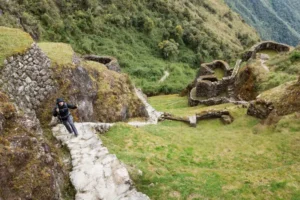
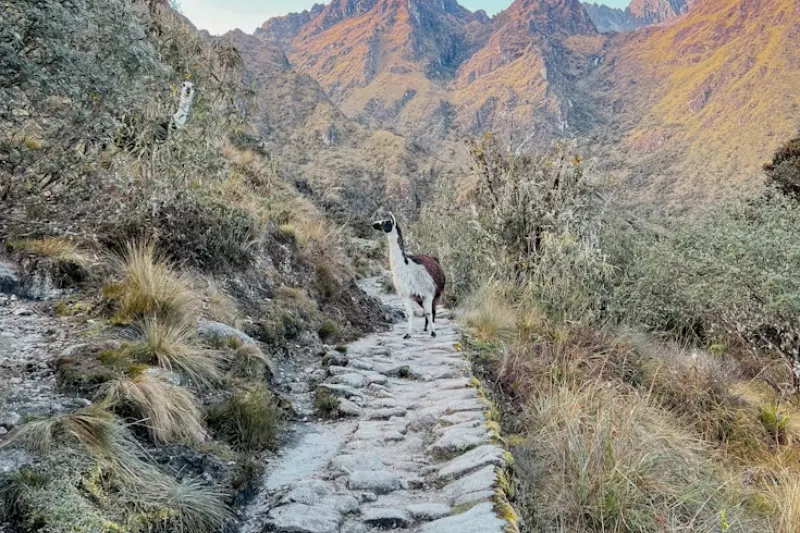
When hiking Inca Trail terrain, feet handle long descents, uneven stone steps, mud, dust, and repeated climbs throughout the day. Footwear should already be comfortable before arriving in Peru, not something planned to break in during the trek itself.
Boots or sturdy trail shoes with good grip and enough support for ankles and knees make the biggest difference. Waterproof footwear can help in wet conditions, but breathability matters just as much. Heavy, stiff shoes prone to blisters will only feel worse with every downhill step.
Foot-care essentials worth packing:
- Two to four pairs of quality hiking socks, preferably wool or synthetic
- One pair of warm sleeping socks kept dry in your duffel
- Blister patches or tape you already know how to use
- Lightweight camp shoes or sandals if your operator allows the space
- Toenails trimmed before the trek to reduce downhill discomfort
Socks deserve more attention than most travelers give them. A fresh, dry pair can prevent rubbing, improve warmth, and make camp feel far more comfortable. Anyone trying to save weight should cut back on clothing extras before cutting back on good socks.
Your daypack should be light but ready
The daypack carried while trekking should hold what’s needed between camps without becoming a burden. A pack in the 20–30 liter range often works well, though the best size depends on whether you carry your own rain layers, camera gear, snacks, and extra warm clothing.
Look for a daypack with a supportive hip belt, chest strap, side pockets, and a rain cover. Fit matters more than brand name. A simple pack that sits well on the hips beats a fancy one that pulls on the shoulders all day.
Items worth keeping in the daypack:
- Rain jacket and pack cover
- Warm layer for breaks and high passes
- Water bottle or hydration bladder
- Sun hat, sunglasses, and sunscreen
- Small first-aid and blister kit
- Snacks for quick energy
- Toilet paper, hand sanitizer, and waste bag
- Passport and any required documents
- Phone or camera in a waterproof pouch
- Headlamp if there is any chance of an early start or late arrival
Packing the daypack the same way each morning helps. Rain gear near the top, water within easy reach, small essentials in a pocket that’s easy to access. When weather changes, emptying the whole bag on the side of the trail is the last thing anyone wants.
What goes in the duffel bag?
The duffel holds things not needed while actively hiking. Since it may not be accessible until camp, it works best for sleep gear, spare clothing, toiletries, and items you can live without during the day. Many trekking companies provide or specify a duffel, and some packing lists state a 7 kg maximum for personal items, so confirming whether the sleeping bag and mat count toward that allowance matters.
A sensible duffel setup includes:
- Sleeping bag rated for cold mountain nights, if not provided
- Sleeping bag liner for extra warmth and cleanliness
- Clean base layer for sleeping
- Warm fleece or insulated jacket
- Spare hiking socks and underwear
- Toiletry pouch with small, travel-size items
- Lightweight towel or wipes
- Battery pack and charging cable
- Small dry bags or packing cubes to separate wet and dry items
Valuables needed during the day should never end up in the duffel. Passport, phone, cash, medication, and camera should stay with you unless your operator gives different instructions.

Rain, sun, and cold deserve equal respect
A common mistake involves preparing only for cold weather or only for rain. The Inca Trail asks for both, plus strong high-altitude sun exposure. Even on cloudy days, UV exposure can be intense, and wet clothing can quickly become uncomfortable once the temperature drops.
For rain protection, a proper waterproof jacket beats relying only on a disposable poncho. A poncho can serve as a useful backup, but a fitted shell is easier to hike in when climbing or descending steep terrain. Protecting electronics and dry clothes with dry bags, zip bags, or a waterproof liner inside the backpack prevents unpleasant surprises.
For sun protection, sunscreen, lip balm with SPF, sunglasses, and a brimmed hat or cap round out the essentials. A lightweight neck gaiter can help with sun, dust, and wind. For cold, the head, hands, and sleeping layers matter most: a warm hat, light gloves, and dry socks make chilly mornings far more manageable.
Toiletries and health items should be small but complete
A full bathroom kit isn’t necessary on the trail, but enough to stay clean, comfortable, and prepared is essential. Small containers work better than heavy bottles. Anything scented or liquid should be sealed carefully to prevent leaks in the duffel.
A compact hygiene kit should include:
- Toothbrush and small toothpaste
- Biodegradable soap or wipes, used responsibly
- Hand sanitizer
- Toilet paper or tissues
- Personal menstrual products, if needed
- Small towel or quick-dry cloth
- Moisturizer or lip balm for dry mountain air
- Prescription medication in original or clearly labeled packaging
- Basic pain relief and any altitude-related medication recommended by your clinician
Relying on the group kit for personal needs rarely works out. Guides often carry emergency supplies, but personal medication, blister care, stomach remedies, and comfort items should be packed individually. Beyond hygiene, energy on the trail also depends on what’s actually eaten each day, which is why reviewing Essential Foods for the Inca Trail ahead of time can shape both the daypack and duffel contents.
What should you not bring on the Inca Trail?
Heavy extras, new untested gear, bulky toiletries, denim, unnecessary electronics, large hard-shell luggage, and anything prohibited by the rules for Machu Picchu and the protected trail area should stay home. The official Machu Picchu visitor code lists prohibited objects and notes that park guards and authorities enforce the rules inside the monument, so travelers should follow current guidance from their licensed operator before entering.
This is where «inca trail what to pack» becomes just as much about what to leave behind. Extra shoes, multiple books, full-size shampoo, heavy camera accessories, and too many clothing changes can make a bag stressful to manage. When unsure about an item, the real test is whether it solves a likely trail problem. If it only solves a rare inconvenience, it belongs in hotel luggage in Cusco instead.

Common packing mistakes worth avoiding:
- Packing for style instead of function: Trail clothing should dry quickly, layer well, and move comfortably.
- Bringing new boots: Even excellent boots can cause blisters if they are not broken in.
- Skipping rain gear: Weather can change quickly, and wet clothes are hard to enjoy at camp.
- Overfilling the daypack: Every extra item becomes more noticeable on climbs and descents.
- Forgetting document access: Your passport should be protected but easy to reach when required.
A practical Inca Trail packing checklist
Use this checklist as a starting point, then adjust for your operator’s gear, season, and personal needs.
Clothing
- 2–3 moisture-wicking hiking shirts
- 1 long-sleeve sun or hiking shirt
- 1 fleece or warm mid layer
- 1 insulated jacket for camp
- 1 waterproof rain jacket
- Rain pants or waterproof shell layer
- 1–2 hiking pants or leggings
- Warm sleep base layer
- Underwear for the trek
- 3–4 pairs hiking socks
- Warm hat, sun hat, and light gloves
Footwear
- Broken-in hiking boots or trail shoes
- Camp sandals or lightweight shoes, optional
- Blister tape, patches, or treatment
Trail gear
- Comfortable daypack with rain cover
- Duffel bag, if not provided
- Sleeping bag and liner, if needed
- Trekking poles with protective tips, if allowed and useful for you
- Headlamp with spare battery or charge
- Water bottles or hydration bladder
- Dry bags or waterproof pouches
Personal items
- Passport and required permits or documents
- Cash in small bills for tips or personal expenses
- Sunscreen and lip balm
- Sunglasses
- Toiletry kit
- Personal medication
- Snacks you know you can digest while hiking
- Phone, camera, and battery pack
Before packing the passport folder, it’s worth confirming exactly what paperwork the trek requires, since Inca Trail Permits & Requirements for Machu Picchu outlines the documents that need to be carried alongside personal identification.
Small comfort items can be worth the weight
Packing light does not mean stripping away every comfort available. A few small items can improve mood and recovery without weighing much at all. Earplugs can help at camp, a buff can serve as sun protection and warmth, and a small pack of wipes can feel wonderful after a dusty day on the trail.
A lightweight inflatable pillow, a clean sleep shirt, or a favorite snack may also be worthwhile if it helps with rest. The key lies in choosing intentionally. One comfort item is smart; six comfort items become clutter.

Final checks before you leave Cusco
Before the trek begins, laying everything out and separating it into three groups helps: daypack, duffel, and luggage staying behind. Weighing the duffel matters if your operator has a limit. Then walking around with the loaded daypack for a few minutes reveals a lot. If it already feels annoying indoors, it will not feel better at altitude.
Confirming the operator’s current guidance also matters. The Inca Trail is a regulated route within the Historic Sanctuary of Machu Picchu, and SERNANP directs visitors to consult the tourist-use regulations for the Inca Trail Network. Rules, access procedures, and operator-specific packing requirements can change, so the final check should come from the company guiding the trek. This is also a good moment to review What Regulations Should You Know Before Visiting the Inca Trail?, since packing decisions often connect directly to what is and isn’t allowed along the route.
What more to remember?
It also helps to remember that the trail passes through a living sanctuary, not just a hiking corridor. Keeping food sealed and camp areas clean matters partly because of Wildlife in Machu Picchu: Animals You Can See in the Sanctuary, since several species in the protected area are sensitive to human food and waste.
A good inca trail packing list is not the longest list; it is the one that keeps a hiker dry, warm, organized, and light on their feet. Pack tested layers, protect your feet, keep the daypack simple, and respect the duffel limit. Deciding whether to trek independently or with support also shapes what ends up in the bag, which is exactly the question addressed in Do you need a guide for the Inca Trail?. With the right gear and fewer unnecessary extras, hiking Inca Trail paths becomes less about managing discomfort and more about enjoying one of the world’s great walking journeys.