
Soraypampa is one of the most memorable high-Andean stops on the Salkantay Trek. This is especially true for anyone whose idea of a perfect night includes cold mountain air, dark skies, and the silhouettes of Humantay and Salkantay above camp. This guide explains what to expect when sleeping in Soraypampa. It covers how to plan the route from Cusco or Mollepata, what to pack, and how to handle the altitude with a practical mindset.
Why spend a night in Soraypampa?
Spending a night in Soraypampa gives trekkers a slower, more immersive start to the Salkantay Trek. It also places them close to Humantay Lake and the route toward Salkantay Pass. An overnight stay allows time to settle into the landscape instead of treating the area as a quick photo stop. It lets travelers watch the light move across the peaks and prepare the body for the demanding high-altitude sections ahead. Trekkers coming from the Inca Trail side of the region often compare this open, exposed valley to the equally dramatic terrain near Dead Woman’s Pass on the Inca Trail. The two routes, though, remain entirely separate.
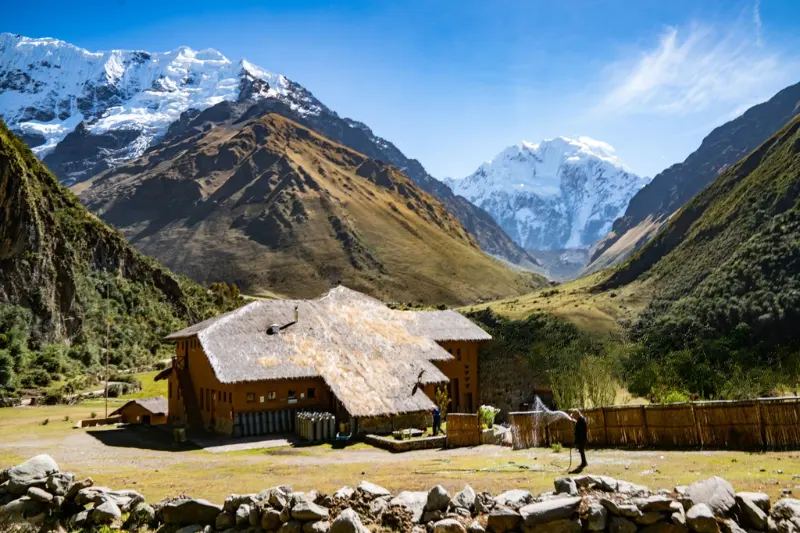
Soraypampa, Peru sits in the Cusco region near the community and district of Mollepata. It is closely associated with the trailhead for Humantay Lake and the first camp on many Salkantay itineraries. The setting is open, exposed, and dramatic. It is a broad mountain valley where the weather can shift quickly and the stars often feel unusually close on clear nights. Humantay Lake is located near Soraypampa at the base of Nevado Humantay. This makes the camp a natural base for hikers who want to visit the turquoise glacial lake before continuing deeper into the trek.
For many travelers, Soraypampa camp is also the first real test of the journey. The air is thin, evenings are cold, and simple tasks can feel more tiring than expected. That is exactly why good pacing pays off. Arrive early if possible, drink water steadily, eat a proper meal, and resist the temptation to rush every viewpoint on the same afternoon.
The Soraypampa altitude changes how you should plan
The commonly cited Soraypampa altitude is around 3,900 meters, or roughly 12,800 feet, above sea level. That is high enough for many hikers to feel shortness of breath, disrupted sleep, mild headaches, or unusual fatigue. This can happen even among those who are fit at lower elevations. Nearby Humantay Lake is higher still, often listed at about 4,200 meters. Salkantay Pass rises higher on the following stage of the trek.
The practical takeaway stays simple: Soraypampa shouldn’t be treated like an ordinary campsite. For anyone arriving straight from Cusco, the body is already adjusting to elevation. Pushing hard too soon can make the first night uncomfortable. A steadier approach often makes the entire Salkantay Trek more enjoyable overall.
Useful altitude habits include:
- Arrive acclimatized when possible. Spend time in Cusco or another highland area before attempting strenuous hiking.
- Walk slower than your normal pace. You are not losing fitness; you are adapting to thinner air.
- Hydrate before you feel thirsty. Cold, dry mountain air can hide how much fluid you are losing.
- Eat even if your appetite drops. Warm soup, carbohydrates, and simple foods can help you feel more stable.
- Watch symptoms carefully. A mild headache may pass with rest, but worsening nausea, dizziness, confusion, or breathlessness should be taken seriously.
Travelers with a guide should be honest about how they feel. Independent hikers should build extra time into the plan. This way, rest never feels like a forced compromise. This decision connects to a broader question: Do you need a guide for the Inca Trail? The same logic applies to Salkantay and other high-altitude Andean treks.
Getting there from Cusco and Mollepata
Most travelers approach Soraypampa through Mollepata, a gateway town for the Salkantay route. The journey generally begins in Cusco and continues by road toward Mollepata. From there, it moves onward toward Soraypampa or nearby trailheads such as Challacancha. This depends on the itinerary, vehicle access, and trekking style. Many guided trips arrange private transport. Independent hikers often research local transport and shared vehicles before departure.
For anyone searching for a bus from Cusco to Soraypampa, it helps to know that options may not work like a direct city-to-city bus route. In practice, travelers often combine segments. This means Cusco to Mollepata, then Mollepata to Soraypampa by arranged transport, taxi, shared vehicle, or hiking connection. Services can vary by season, road condition, and local demand. Confirming details close to the travel date works better than relying on old forum posts.
The Mollepata to Soraypampa leg is more than a transfer; it is the emotional threshold of the trek. The road climbs into a wider, colder, more open landscape, and the mountains begin to dominate the view. Anyone hiking this portion should expect a gradual introduction to altitude. Carrying water, sun protection, and a layer that can go on quickly when the wind rises makes a real difference.
What kind of lodging can you expect?
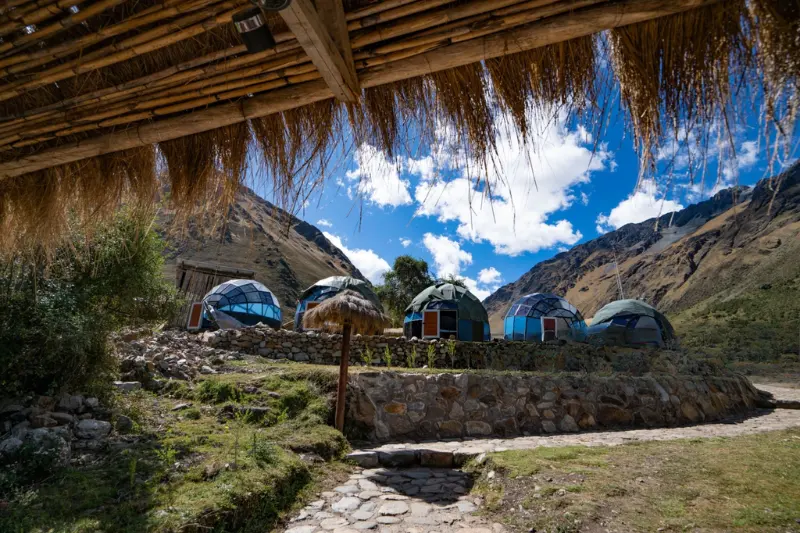
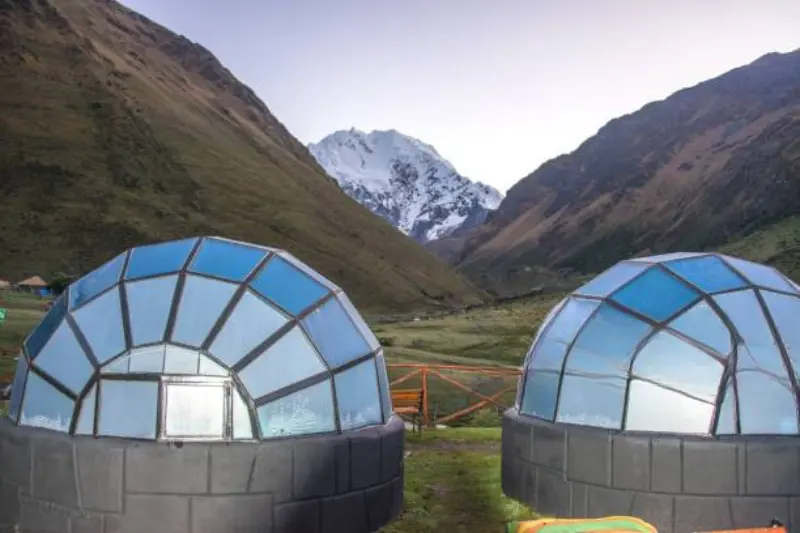
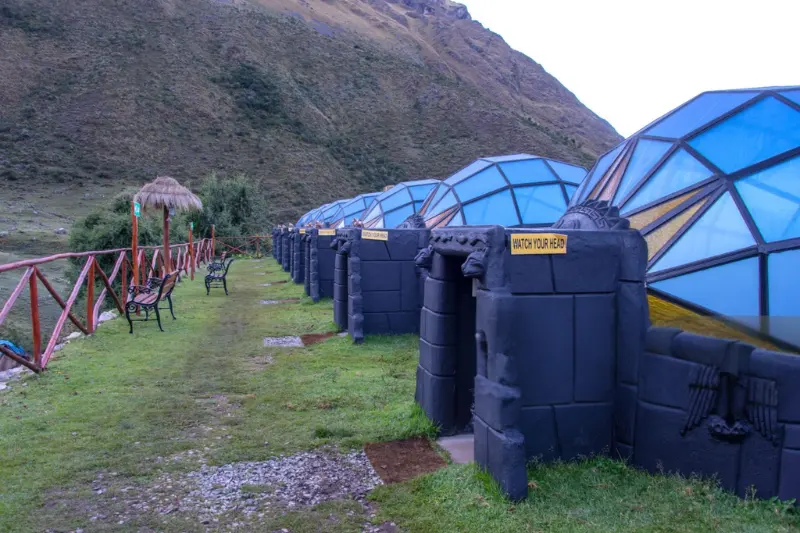
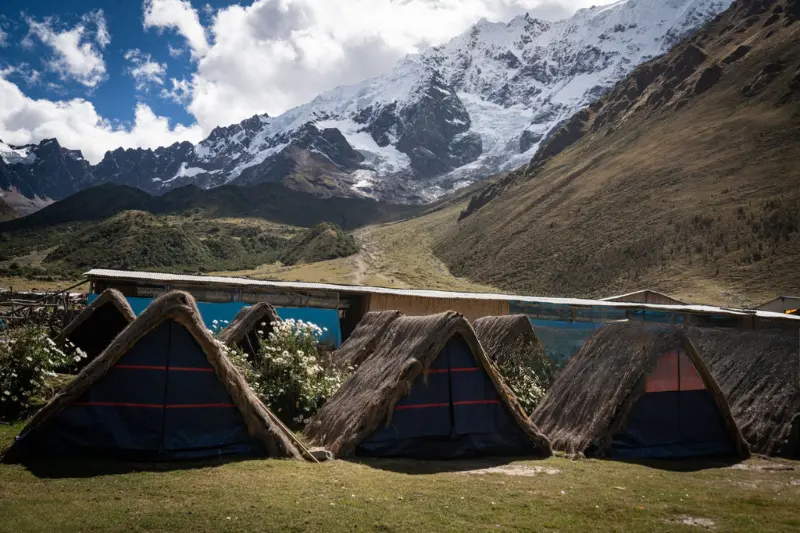
Accommodation in Soraypampa ranges from simple camping areas to more structured trekker lodges and dome-style camps. This depends on the operator and route. Some travelers search for a Soraypampa hostel because they want a basic overnight option near the Humantay Lake trailhead. Others book organized camps that include meals, bedding, and transport as part of a guided trek.
One of the best-known concepts is sky camp Soraypampa. This term is often used to describe dome or glass-roof-style mountain camps designed for viewing the peaks and night sky. These camps can make the first night feel more comfortable than a standard tent, but the mountain conditions still matter. Warm bedding, enclosed shelter, and organized meals are helpful. Still, they do not remove the effects of altitude or cold.
When comparing places to stay, looking beyond the name and asking practical questions pays off:
- What is included? Clarify whether bedding, dinner, breakfast, hot drinks, and transport are part of the booking.
- How warm is the setup? Ask about sleeping bags, blankets, insulation, and whether you need to bring your own liner.
- Where exactly is it located? A property described as Soraypampa may still require walking or a transfer to reach the lake trail.
- Is luggage support available? Guided Salkantay Trek packages may include duffel transport, while independent stays may not.
- What happens in bad weather? Know whether there is a communal dining shelter or a backup plan for heavy rain, snow, or wind.
A Soraypampa camp should be judged by comfort, safety, communication, and location. How good it looks in photos matters far less. As with any regulated trekking corridor in the region, it’s also worth checking What Regulations Should You Know Before Visiting the Inca Trail? Permit rules, camping restrictions, and access policies can differ significantly between the Salkantay and Inca Trail systems.
Visiting Humantay Lake from camp
Humantay Lake is one of the main reasons travelers pause in Soraypampa. The trail usually climbs steeply from the camp area toward the lake. The distance may not look intimidating on paper, but the altitude can make the hike feel much harder than expected. Many trekkers visit on the first afternoon. Others prefer an early start when the light is softer and the trail may feel calmer.
The best timing depends on energy level and schedule. Arriving tired, cold, or headachy might mean skipping the lake until morning, or resting instead. That can be the smarter decision. The view is beautiful, but the Salkantay Trek is a multi-day effort. Preserving strength matters more than checking off a viewpoint on schedule.
A practical lake plan looks like this:
- Leave unnecessary weight at camp. Carry water, layers, rain protection, snacks, and essentials, but avoid hauling your full pack if storage is available.
- Start slowly. The climb begins at altitude, so use short steps and steady breathing from the first minutes.
- Layer before you get chilled. Weather near the lake can change fast, and sweat can cool quickly once you stop.
- Respect the setting. Stay on established paths, pack out waste, and avoid disturbing fragile mountain terrain.
- Turn around if symptoms worsen. No viewpoint is worth ignoring serious altitude warning signs.
Humantay Lake is often the highlight of the first stage. It becomes more enjoyable, though, when treated as a high-altitude hike rather than a casual side trip. Some travelers also spot regional wildlife along the way. This topic gets covered in more depth in Wildlife in Machu Picchu: Animals You Can See in the Sanctuary, even though Soraypampa itself sits outside that specific protected area.
Packing for a cold night under the stars
Sleeping under stars in Soraypampa sounds romantic, and it can be, but comfort depends on preparation. Nights at nearly 3,900 meters can feel sharply cold, especially after sunset when the valley loses warmth quickly. Even when accommodation provides bedding, personal layers make a real difference. They keep warmth in before sleep, during nighttime bathroom breaks, and in the early morning.
Pack with changing conditions in mind:
- Warm base layer: Merino or synthetic layers help regulate temperature better than cotton.
- Insulating jacket: A down or synthetic puffy is useful at camp when you are no longer generating heat by walking.
- Rain shell or windproof layer: Mountain wind can cut through fleece and light sweaters.
- Warm hat and gloves: Small items make a big difference at dinner and sunrise.
- Headlamp: Essential for moving around camp after dark.
- Water bottle: Keep it close, and consider insulating it if temperatures are very low.
- Sleep support: A liner, warm socks, or personal pillow can improve rest, especially in basic lodging.
- Sun protection: Sunglasses, sunscreen, and a brimmed hat matter during the day, even when the air is cold.
The goal is not to overpack. It is to avoid being dependent on one piece of gear. Layering gives options as the day moves from intense sun to biting evening cold. Beyond gear, energy on a trek like this also depends on food choices. Many of the same principles found in Essential Foods for the Inca Trail apply just as well to multi-day treks like Salkantay.
Small choices make the night better
A good Soraypampa overnight is shaped by simple decisions. Arriving with enough daylight to find accommodation, organize gear, and understand where meals and facilities are located makes everything easier. Once the temperature drops, everything becomes more difficult. This is especially true when fatigue or mild altitude effects are already in play.
Keeping the evening calm helps too. Change out of sweaty hiking clothes before the cold sets in. Set up sleep items early, and keep headlamp, water, and warm layer within reach. If the sky is clear, stepping outside for a few minutes of stargazing is worth it, but warmth shouldn’t get sacrificed for a long photo session. Some visitors arrive with secondhand expectations about high-altitude camping that don’t quite match reality. This is part of why pieces like Exploring the Myths of the Inca Trail are worth a read, even for travelers heading toward Salkantay instead.
It is also worth managing expectations. Facilities in and around Soraypampa may be simpler than what travelers find in Cusco, and weather can affect comfort, timing, and visibility. The reward is not luxury in the conventional sense. It is proximity to the mountains, a quiet night in a remarkable landscape, and an early position for the trail ahead. Travelers who plan to continue toward Machu Picchu afterward should also confirm their documentation in advance. Inca Trail Permits & Requirements for Machu Picchu outlines a separate process from the one used for Salkantay access.
Final takeaway
Soraypampa is more than a stopover between Cusco and Salkantay Pass. It is a high-altitude mountain base where preparation, pacing, and the right lodging choice can transform the first night of the trek. That first night often becomes one of the most memorable moments of the whole journey. Whether the stay happens in a simple Soraypampa hostel, a classic tented setup, or Sky Camp Soraypampa, a few things make all the difference: planning for cold, respecting the altitude, and giving enough time to enjoy the stars without rushing.