
High in the Andes, wrapped in mist and dense, emerald vegetation, sits one of the most breathtaking archaeological sites in South America. For many trekkers on their way to Machu Picchu, the first glimpse of this ancient settlement hits harder than expected. Something about it feels different.
The site is Wiñay Wayna. Proof of Incan engineering brilliance, the resilience of nature, and the enduring mystique of the Andes, all in one place. The Quechua translation, forever young, captures the essence of this vibrant, gravity defying citadel almost perfectly. Untouched by time, blooming with life, it remains one of the crowning jewels of the Inca Trail.
Whether someone is early in planning an adventure or just captivated by ancient history, understanding this site enriches the journey a lot. It also raises a question a lot of first timers ask early on: is the inca trail worth it in the first place? Wiñay Wayna tends to be one of the clearest answers.
What is Wiñay Wayna Known For?
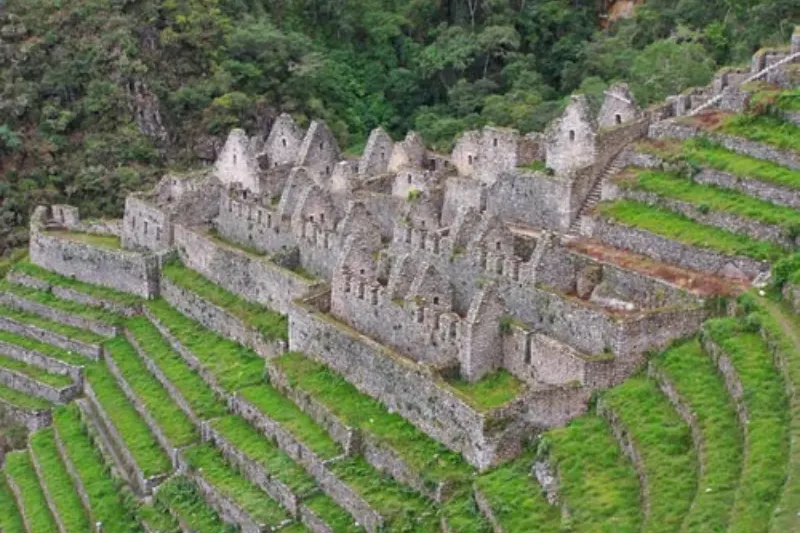
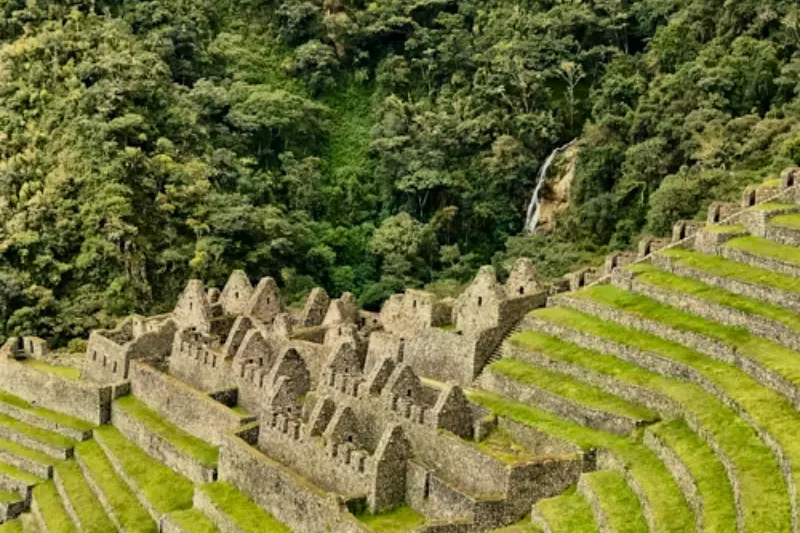
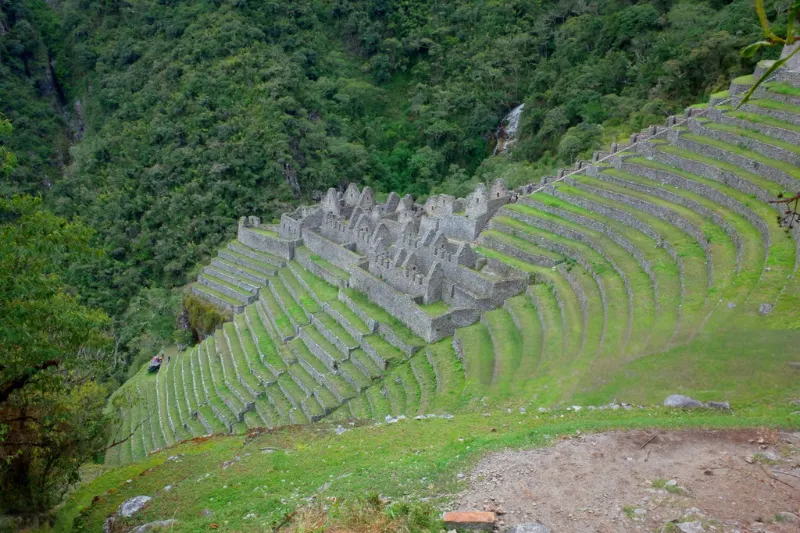
Ask seasoned guides and historians what is wiñay wayna known for and the answers come back fast, and passionate. Mostly, it’s the dramatic setting. Clinging to a steeply sloping hillside over the Urubamba River, the site features a massive cascading series of curved terraces. Looks like they’re tumbling into the valley below.
There’s also the flower. The wiñay wayna orchid, Epidendrum secundum, dots the lush landscape around the ruins. Pink, purple, red. Thrives in the misty highland environment, blooms year round. Hence forever young.
And finally, Wiñay Wayna works as the dramatic final pitstop before the climax of the trek. A few kilometers from Machu Picchu. The last major Incan settlement before the final, pre dawn push to the lost city.
Delving into Wiñay Wayna History and Discovery
Appreciating the wiñay wayna ruins means understanding their history first. Built mid 15th century, height of the Inca Empire, under Pachacuti. Constructed as an essential spiritual and agricultural hub.
The wiñay wayna history shows it worked as a resting place and ritualistic center for pilgrims heading to Machu Picchu. Split into upper and lower sectors, connected by a long, steep staircase alongside ten ritual water baths. Fountains likely used for spiritual cleansing and purification before travelers continued to the sacred city.
The Wiñay Wayna Discovery
Machu Picchu got global attention from Hiram Bingham in 1911. The wiñay wayna discovery came decades later though. Officially uncovered in 1941 by the Wenner Gren Scientific Expedition, led by Hungarian archaeologist Paul Fejos. Jungle had swallowed the site entirely, so clearing it took real effort. Once uncovered, recognized fast as one of the region’s most significant finds.
Incan Stone Masonry Techniques
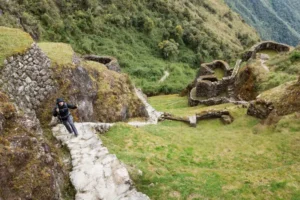
A close look at wiñay wayna peru reveals the stone masonry techniques that let these structures survive centuries of earthquakes and rain. Ashlar masonry, stones cut and shaped to fit perfectly, no mortar needed. Precision so exact that not even grass fits between the joints on the important temple walls. Walls built with a slight inward tilt too, trapezoidal doors and windows, all to maximize structural integrity against seismic activity.
The Geography and Ecology of the Region
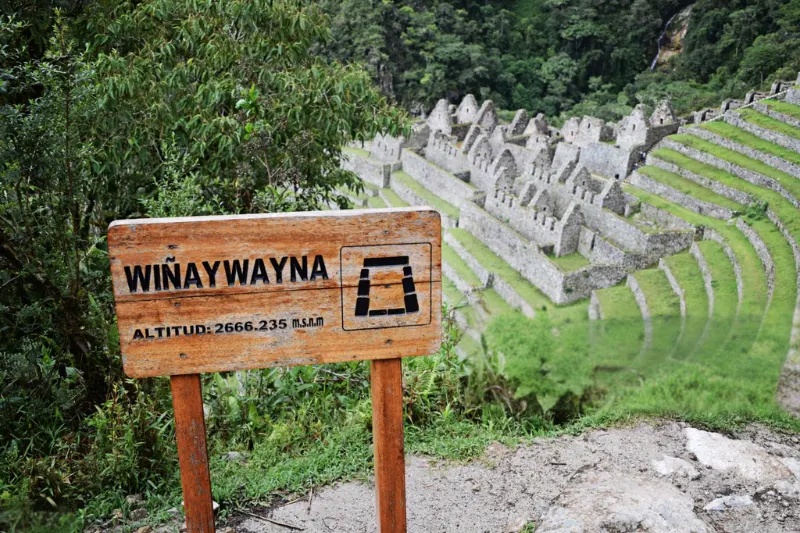
Sitting around 2,650 meters, 8,694 feet, the ruins rest entirely within the Andean cloud forest. Persistent canopy of low clouds. Hyper humid, bursting with biodiversity. That richness really sits at the core of the biodiversity of the inca trail overall, not just this one stop along the way.
Over 300 species of orchids here, aside from the famous wiñay wayna orchid. Giant ferns, bromeliads clinging to ancient tree branches.
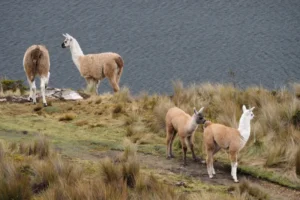
Birdlife runs thrilling too. Andean cock of the rock, giant hummingbirds, brilliant green tangaras. With real luck, the elusive spectacled bear, South America’s only native bear, might show up on the steep forested slopes.
Reaching the Ruins: The Inca Trail Experience
Accessing Wiñay Wayna means hiking. No road gets close. No way around it.
Two main routes exist for anyone weighing options.
The 2 day short trail starts at Kilometer 104 of the railway line. Climbs steeply, leads hikers directly into Wiñay Wayna by early afternoon. Good option for anyone short on time, or preferring a hotel bed over a tent, since day one ends down in Aguas Calientes.
The Classic 4 day trek gets most people to the ruins on the afternoon of day three. After conquering Dead Woman’s Pass on day two, day three often gets called the most beautiful day of trekking. Moves through varying microclimates before culminating at Wiñay Wayna.
Intipata Archaeological Site Ruins
Most hikers pass by or view the Intipata archaeological site ruins shortly before Wiñay Wayna. Sprawling complex of newly cleared, convex agricultural terraces. No major buildings here, suggesting it worked strictly as a farming center, feeding the people of Wiñay Wayna and Machu Picchu. Resting on Intipata’s grassy terraces for a moment gives sweeping views of the Sacred Valley.
Agricultural Terraces of the Incas
Both Intipata and Wiñay Wayna show off the incredible agricultural terraces of the Incas. Andenes, they’re called. Not just built for farming steep slopes either. Engineering marvels, deep foundations of gravel and sand for exceptional drainage, preventing landslides in the rainy season. Stone retaining walls absorbed sun heat during the day, released it at night, creating microclimates that protected crops from high altitude frost.
Hiking to the Sun Gate
The magic gets amplified by what comes next. Final morning, hikers wake up long before dawn. Leaving the Wiñay Wayna checkpoint, the last stretch begins, hiking to the Sun Gate, Inti Punku. Narrow, undulating jungle trail, about an hour and a half. Reaching the Sun Gate just as morning mist clears to reveal Machu Picchu below stays with people for a lifetime.
Practical Guide: Planning Your Trek
A successful hike through the Andes takes real planning. Nobody just shows up with a backpack and starts walking, since the Peruvian government strictly regulates the trails to protect their historical and ecological integrity. Understanding the regulations of the Inca Trail before booking anything saves a lot of last minute stress.
Anyone wondering how to obtain inca trail permits should know one thing: act early. Permits capped at 500 people daily, guides and porters included, leaving about 200 spots for tourists. Booking goes through a government approved operator only. Peak season, May through August, permits often sell out six to eight months ahead.
A question that comes up constantly among first timers: do you need a guide for the inca trail? Yes, officially. Independent trekking on the classic route isn’t allowed at all. Every group travels with a licensed operator and crew.
Best Campsites for Trekking in Peru
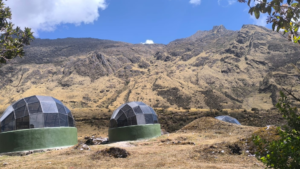
A permit also dictates the camping itinerary. Among the best campsites for trekking in Peru, Wiñay Wayna’s campsite is universally coveted. Five minute walk from the ruins. Camping here means exploring the site in golden late afternoon light, once crowds thin out. Also puts hikers closest to the checkpoint for the final morning hike to the Sun Gate. Popular spot, so operators fight for it, meaning booking early with a reputable agency raises the odds of securing it.
Climate and Weather in the Sacred Valley
Understanding the climate and weather in the Sacred Valley matters for choosing when to go, and it ties directly into figuring out the best season to visit Machu Picchu overall. Two distinct seasons here.
- Dry Season (May to October): crisp, clear days, spectacular views. Nighttime temps at higher campsites drop below freezing though.
- Wet Season (November to April): heavy afternoon showers, muddy trails. Landscape stays lush, orchids bloom in full. Inca Trail closes entirely every February for maintenance, worth remembering.
Health, Safety, and Preparation
Trekking the Andes is physically demanding, plain and simple. Elevation gain toward Machu Picchu runs significant. On the Classic Trail, hikers summit passes over 4,200 meters, 13,779 feet, before descending into the cloud forest where Wiñay Wayna sits at roughly 2,650 meters.
Preventing Altitude Sickness During Hikes
Rapid elevation changes can trigger acute mountain sickness. Preventing it should be top priority for anyone attempting this.
- Acclimatize: spend at least two to three days in Cusco or the Sacred Valley first.
- Hydrate: drink way more water than feels necessary.
- Pace yourself: slow, steady rhythm. Poco a poco, as local guides say. Little by little.
- Local remedies: coca leaves or coca tea, a traditional remedy that genuinely helps with mild altitude symptoms.
What to Pack for High Altitude Trekking
Packing for high altitude trekking means balancing readiness for diverse weather against strict porter weight limits, usually 7kg or 15lbs per person.
Essential layers:
- Moisture wicking base layers (merino wool ideal).
- Insulating mid layers (fleece or lightweight down).
- High quality, breathable waterproof shell (jacket and pants).
- Convertible hiking pants.
Essential Gear for Andean Trails
Beyond clothing, the right gear makes or breaks trail comfort.
- Footwear: sturdy, broken in waterproof hiking boots, excellent ankle support.
- Trekking poles: highly recommended for the knees on those steep, uneven Inca steps. Rubber tips required, to protect the ancient stones.
- Headlamp: crucial for campsites at night and the pre dawn hike to the Sun Gate.
- Hydration system: CamelBak or durable bottles, at least 2 liters.
- Sleeping gear: four season sleeping bag for the dry, cold season, plus a thermal pad.
Conclusion
Wiñay Wayna is far more than a stop on the way to Machu Picchu. A destination worthy of reverence on its own. From the curved agricultural terraces to the pink petals of wild orchids on ancient walls, the site embodies harmony between human ingenuity and the natural world.
Understanding the history, the architecture, the ecology, turns a physical trek into something closer to a pilgrimage. Navigating the stone steps, resting under Intipata’s shadow, making that final push toward the Sun Gate. The spirit of Wiñay Wayna sticks around. Forever young in memory. Secure permits early, pack smart, prepare the body for altitude, and it’s one of the greatest trekking adventures on earth, plain and simple.