
The journey through the Peruvian Andes to the Sun Gate sits on bucket lists worldwide for good reason. Breathtaking scenery, ancient ruins, the specific triumph of arriving at the lost city on foot after days of mountain terrain.
None of that happens without clearing one critical administrative hurdle first. Securing inca trail permits isn’t optional, isn’t something that can be figured out on arrival, and isn’t as simple as most first-time planners assume.
This isn’t a casual weekend hike. The Peruvian government heavily protects this UNESCO World Heritage site. No showing up at the trailhead without paperwork, no independent trekking, no last-minute decisions. Understanding the complex system of hiking permits is the foundational step of the entire trip, and getting it wrong means not going.
Why Do You Need a Permit?
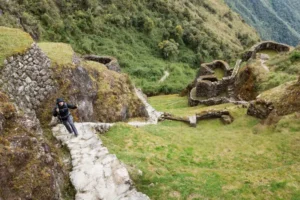
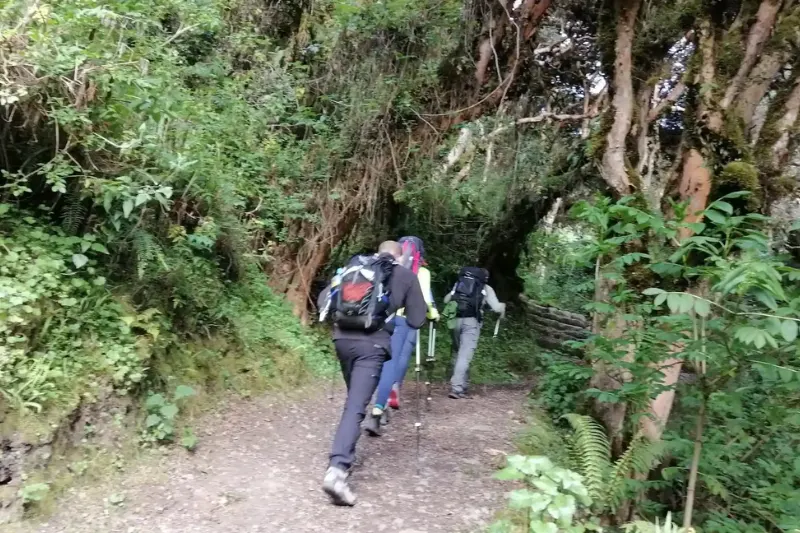
Strict Machu Picchu trekking regulations exist because the trail suffered serious damage sungatefrom overcrowding before controls were implemented. Trail erosion, littering, damage to ancient stone paths that took centuries to build and can’t be rebuilt.
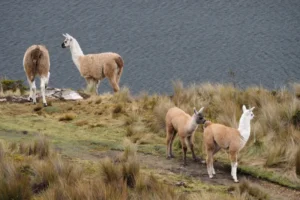
The biodiversity of the inca trail is part of what makes that conservation so urgent. The route passes through multiple distinct ecosystems, from high-altitude puna grassland to dense cloud forest, each carrying endemic plant and animal species that erosion and unchecked foot traffic were visibly damaging before the permit system got enforced properly.
How many inca trail spots per day are available? Hard non-negotiable number: 500. That sounds reasonable until the breakdown gets examined. Guides, cooks, and porters all count toward that 500. After accounting for them, roughly 200 of those daily spots actually go to tourists. Global demand far exceeds that daily allowance. Permits sell out incredibly fast, often within days of being released for peak months.
The Booking Process Explained
Independent trekking on the historic path to Machu Picchu is strictly prohibited. Safety and environmental compliance require a guide. There’s no workaround.
Choosing Your Trek Route
Before applying for any paperwork, the route needs deciding. Classic Inca Trail vs Short Inca Trail involves different commitments of time, physical effort, and planning.
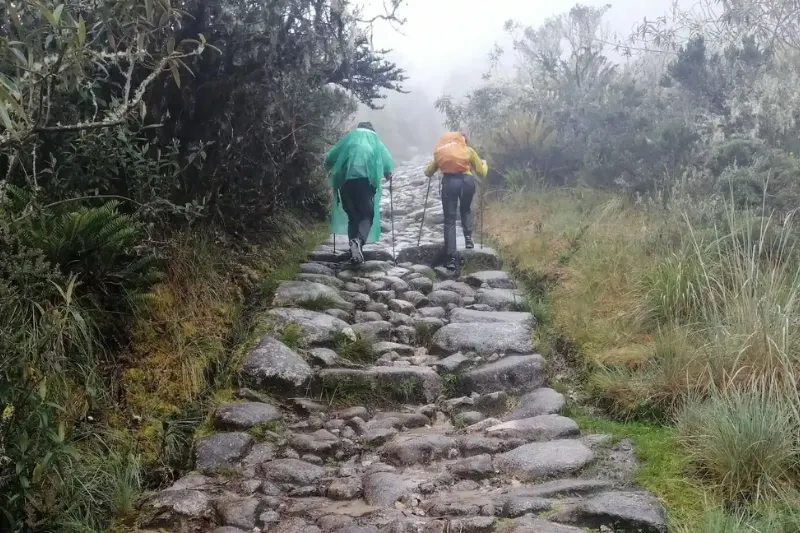
The Classic Inca Trail is the iconic 4-day, 3-night expedition. Roughly 26 miles, 42 kilometers. High-altitude passes including Dead Woman’s Pass, the highest point on the entire route at 4,215 meters where the clima impact on the inca trail is felt most dramatically.
Temperature at Dead Woman’s Pass can swing from freezing wind in the early morning to intense sun by midday, with afternoon storms appearing without warning during shoulder season months. Understanding that climate reality before arriving shapes both packing decisions and expectations about what Day 2 actually involves physically.
The Short Inca Trail is the 2-day, 1-night option starting at Kilometer 104, closer to the final destination. Perfect for limited time or preference for a less strenuous hike while still arriving through the Sun Gate on foot.
Working with Licensed Operators
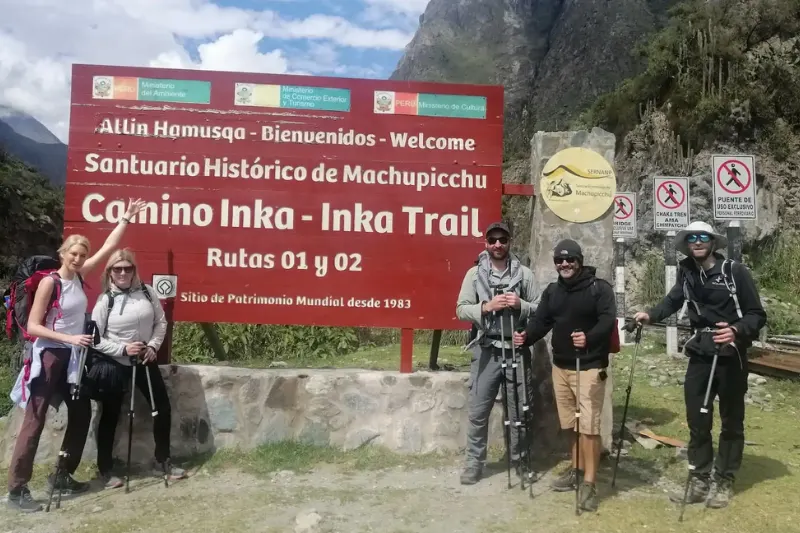
Because independent trekking is banned, booking through authorized tour operators Peru is the only legal option. Only government-licensed agencies have credentials to access the Ministry of Culture Peru booking system. When you book with an agency, they purchase the permit on your behalf. The government system is rigid. Exact personal details are required upfront. No flexibility on that.
Timeline and Deadlines: When to Book
Timing is the most critical element of planning. The simple answer to when to book: as soon as travel dates are confirmed.
Permits for the entire calendar year get released by the Peruvian government in October or November of the preceding year. That’s the starting gun.
- Peak Season (May to September): 6 to 8 months in advance minimum. May and June spots often sell out within days of permits being released.
- Shoulder Season (March, April, October, November): At least 3 to 4 months ahead.
- Low Season (December and January): 2 to 3 months out. The historic trail closes entirely every February for maintenance and conservation work.
Strict booking deadlines for Peru trek operators mean agencies cannot hold spaces tentatively. A non-refundable hiking reservation deposit is required to lock in the spot. That deposit allows the tour operator to immediately purchase the permit from the government. Because the government doesn’t issue refunds to agencies for cancellations, this deposit is strictly non-refundable under any circumstances without exception.
Strict Rules and Identification Requirements
The Peruvian authorities don’t take administrative errors lightly. Park rangers rigorously check documents at the first checkpoint and at various intervals along the route throughout the trek. The regulations of the inca trail extend beyond paperwork though. Single-use plastics are banned on the trail entirely.
Waste must be carried out rather than buried or burned. Trekkers must stay on designated paths rather than cutting switchbacks. Fires are prohibited outside designated cooking areas. These regulations of the inca trail exist because the ecosystems the route passes through are sensitive enough that even small individual infractions compound into measurable damage across hundreds of daily visitors.
Passport and Identification Rules
Official trekker identification requirements are absolute. The details on the permit, full name, nationality, passport number, and age, must match the physical passport presented at the checkpoint perfectly. One incorrect digit means denial of entry. Not a warning. Denial.
A common panic-inducing scenario is dealing with a lost passport inca trail reservation. Two options exist if this happens:
- Bring Both Passports: If a passport was simply renewed and expired, the old expired passport containing the number used to book must come along with the new valid passport.
- Update the Government: Lost or stolen passport means immediately contacting the tour operator with a high-quality scan of the new passport. They must submit an official modification request to the Ministry of Culture. Administrative fees apply and the process takes time. This must happen well before arriving in Peru, not at the trailhead.
Ethical Trekking and Porter Regulations
Porters were routinely overloaded in the past. Today, strictly enforced inca trail porter weight limits protect fair labor practices. A porter is legally allowed to carry a maximum of 20 kilograms, about 44 pounds. This includes 5 kilograms of their own personal belongings and 15 kilograms of company and client gear. Operators strictly limit the duffel bag weight per trekker to about 7 kilograms, 15 pounds, which must include the sleeping bag. Pack smartly and respectfully. These aren’t suggestions.
What Does Your Permit Actually Include?
A significant portion of the fee paid to a tour operator goes toward government taxes and entry fees. Understanding Machu Picchu entry ticket inclusions helps plan the final day of the trek properly.
Standard 4-day or 2-day inca trail permits include:
- Entry to the physical historic trail and associated archaeological sites including Wiñay Wayna and Phuyupatamarca.
- Overnight camping fees at designated campsites.
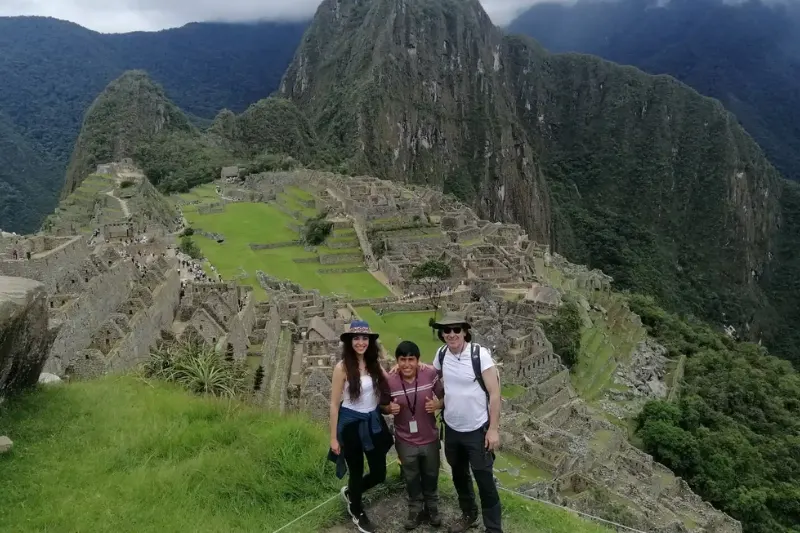
- Entry into the actual Machu Picchu citadel on the final day of the hike.
The standard permit covers a specific guided circuit within the citadel, usually Circuit 3 or Circuit 5 depending on current seasonal regulations for trekkers. That matters for planning the citadel visit specifically.
Access requirements for Huayna Picchu or Machu Picchu Mountain are entirely separate from the trail permit. This add-on must be requested from the tour operator at the very moment of booking the trek. These mountain climbs require separate highly limited tickets that sell out months in advance. Deciding to hike Huayna Picchu on the day of arrival isn’t possible. The tickets don’t exist at that point.
Foods for the inca trail also deserve attention when planning what the permit covers versus what doesn’t. Tour operators provide meals across the 4-day classic route, typically three meals daily plus snacks, but the quality and caloric density of those meals varies significantly between operators.
High-altitude exertion burns considerably more calories than most trekkers anticipate, particularly on Day 2 approaching Dead Woman’s Pass. Confirming exactly what meal provisions are included before booking prevents uncomfortable surprises at camp on the hardest day of the trek.
Plan B: What If Permits Are Sold Out?
Last-minute planning or already-full preferred dates aren’t the end of the Andean adventure. Several alternative treks exist when the main trail is unavailable.
- The Salkantay Trek: Visually stunning 4-to-5-day route passing beneath the glacier-capped Salkantay Mountain before descending into lush cloud forest. Generally more challenging but doesn’t require the strict limited trail permits.
- The Lares Trek: Known as the cultural trek, this route goes through remote traditional weaving villages in the Lares Valley. Profound interactions with local Andean communities that the main trail doesn’t offer.
- The Inca Jungle Trek: High-adrenaline alternative involving downhill mountain biking, river rafting, zip-lining, and hiking combined into one multi-day experience.
These alternative routes don’t require the specific daily limited inca trail permits. Standard hiking permits for campsites are still needed, along with standard machu picchu permits to enter the citadel on the final day. Those general entry tickets carry a much higher daily capacity and are considerably easier to secure through a tour operator than the historic trail passes.
Final Thoughts
The logistics of this world-famous hike can seem overwhelming at first look. They’re really a testament to the global effort to preserve an ancient wonder that can’t be replaced once it’s damaged. Planning well in advance, choosing a reputable licensed operator, and understanding the strict regulations from porter weight limits to passport matching produces a seamless journey rather than a stressful one.
Secure inca trail permits early. Pack thoughtfully and within the weight limits. Respect the porter regulations. Get the passport details right before anything gets submitted. Prepare physically for what Dead Woman’s Pass actually demands from the body at altitude. Account for the clima impact on the inca trail when selecting what layers to pack for each day.
Understand the biodiversity of the inca trail well enough to appreciate what the permit system is actually protecting on every step of the route. Everything else on the trail takes care of itself when those foundational logistics are handled correctly before leaving home.