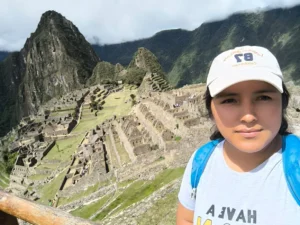

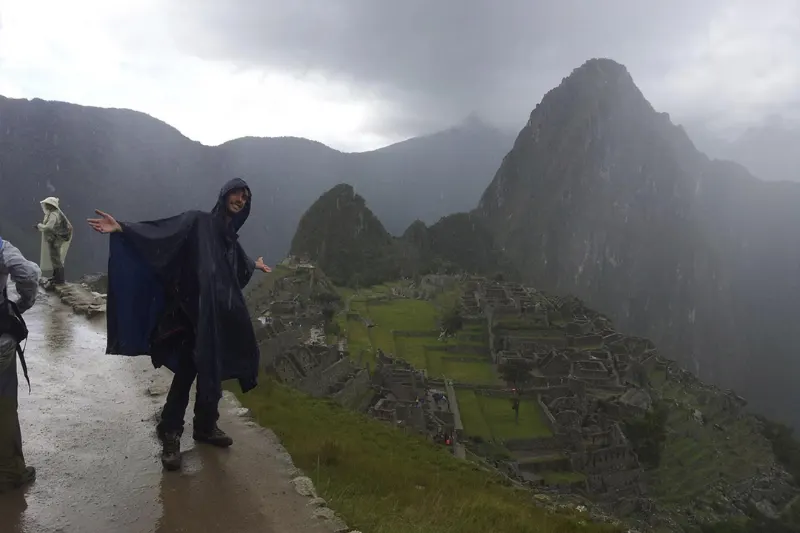
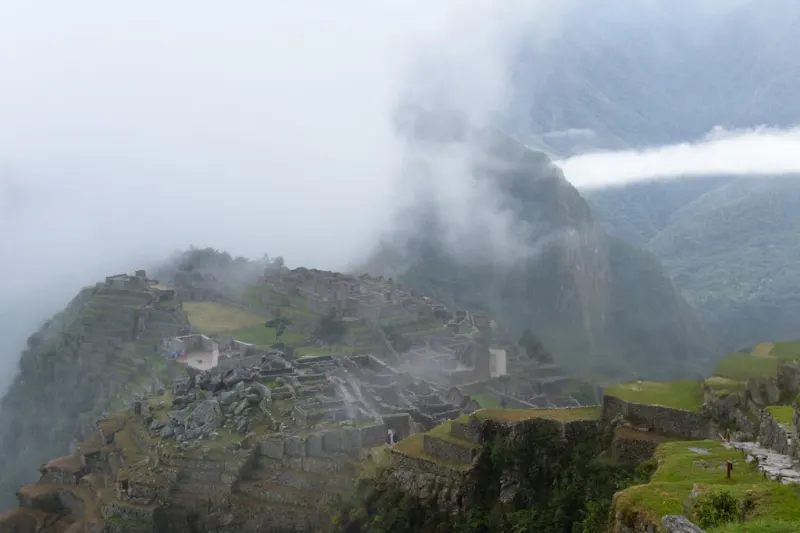
Thick clouds rolling through valleys, parting slowly to reveal ancient stone terraces. That’s what the machu picchu rainy season actually looks like. Not a problem. Not a consolation prize for missing the dry season. A completely different experience that dry season visitors never get.
Most people go to Peru in winter. Fair enough. The wetter months offer something those people miss entirely though. Fewer crowds, vivid green landscapes, a sense of stillness that peak tourist season makes impossible. Any honest Machu Picchu travel guide says this upfront rather than tucking it away at the end.
Demystifying the Machu Picchu Climate
Machu Picchu is in the Ceja de Selva. Eyebrow of the jungle. Transitional zone between the high Andes and the Amazon Basin. That’s why the machu picchu climate is completely unlike the weather in Cusco a few hours away. Different elevation, different ecosystem, different logic entirely.
The machu picchu weather has two main seasons. Dry season, May to October. Machu Picchu wet season, November to April.
The Rainy Season: Month by Month
- November and December: Short sporadic afternoon showers. Clear mornings. Good window for avoiding crowds while conditions are still reasonable.
- January and February: Peak wet season. Heaviest rainfall in the Urubamba Valley. Downpours can be heavy and prolonged. Don’t expect flexibility from the weather.
- March and April: Rains tapering off. Mountains intensely lush. Orchids blooming along the trails. The best season to visit Machu Picchu for anyone who wants vivid landscapes without dry season crowds. March specifically hits that balance well.
El Niño occasionally causes unseasonably heavy rainfall or prolonged dry spells. The machu picchu climate becomes less predictable during those years regardless of what the calendar says.
The Unexpected Perks of a Wet Season Visit
Dry season gets called the best season to visit machu picchu constantly. The people who go in wet season find things though that dry season visitors simply don’t access.
Solitude Among the Ruins
Peak season pushes thousands of tourists through the site daily. Wet season drops those numbers significantly. Room to wander, stop, think, look at things without someone immediately filling the frame or rushing past. That experience doesn’t exist in June or July.
Lush, Vibrant Landscapes
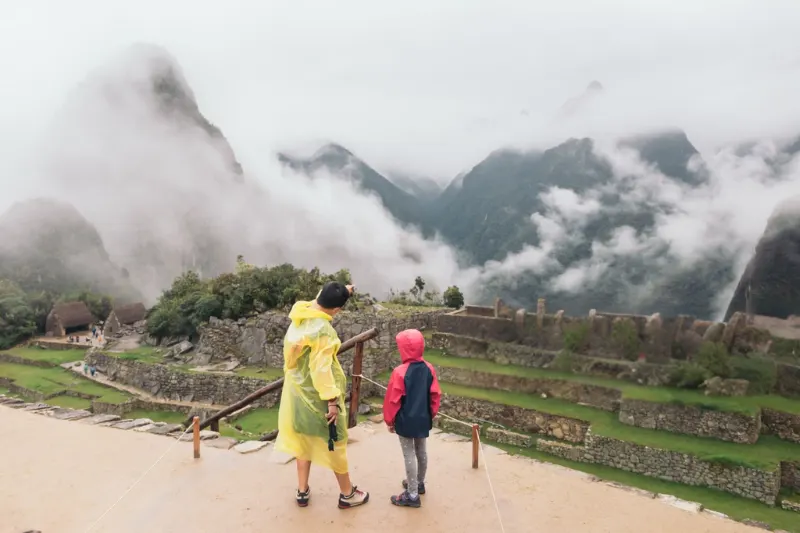
Rain transforms the Sacred Valley into something vivid and green in ways the dry months don’t produce. Terraced steps covered in bright grass. The Urubamba River running hard below. The cloud forest blooming with exotic flora that simply looks different here than anywhere else.
Favorable Pricing and Upgrades
Off-peak means cheaper. Significantly discounted luxury hotel rates in the Sacred Valley during Southern Hemisphere summer. Room upgrades, private tours at group rates, spa discounts. The top 5 Machu Picchu tours are also considerably easier to book during wet season. Availability that simply doesn’t exist during dry months when permits and tours fill months in advance.
Trekking and Hiking Realities
Rain changes the hiking equation. Not impossibly. Just differently. Careful planning and the right mindset make the difference between a great trip and a miserable one.
The Inca Trail Closure
The Classic Inca Trail closes every February. Government shutdown for the entire month. Campsites cleaned, stone paths repaired, local ecosystem allowed to recover during the heaviest rains. The machu picchu citadel stays open though. Just the trail closes.
Alternative Treks
The Salkantay Trek gets challenging in heavy rain. Mud and river crossings. Local guides use alternative routes during rainfall though. Lower-altitude detours avoiding landslide-prone areas while still delivering spectacular Andean views.
The Lares Trek goes through remote Andean weaving villages. Muddy conditions in January, cold damp nights at high altitude. But it avoids the steep narrow cliff drops that make Salkantay risky during the peak machu picchu wet season. Often the safer choice during January and February specifically.
Huayna Picchu and Machu Picchu Mountain
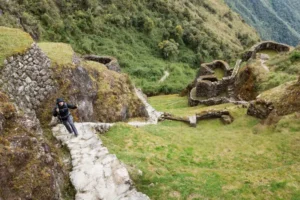
Wet stone steps on Huayna Picchu are genuinely dangerous. Notoriously steep and narrow. Slick when wet. Boots with aggressive traction, the steel hand cables, and patience. Those three things. Without them, don’t attempt it in the rain.
Navigating Logistics: Transport and Visibility
Train Travel and Delays
Trains from Cusco or Ollantaytambo are how most visitors arrive. Mudslides occasionally block the tracks during intense continuous rainfall. PeruRail and Inca Rail clear debris efficiently but delays happen regardless. Always buffer the itinerary with an extra day in Cusco before any international flight home.
Aguas Calientes is where most travelers spend the night before visiting the citadel. Small town at the base of the ruins. Having a flexible checkout time there saves significant stress when train schedules shift unexpectedly, which they do during the wet season without much warning.
Embracing the Mist
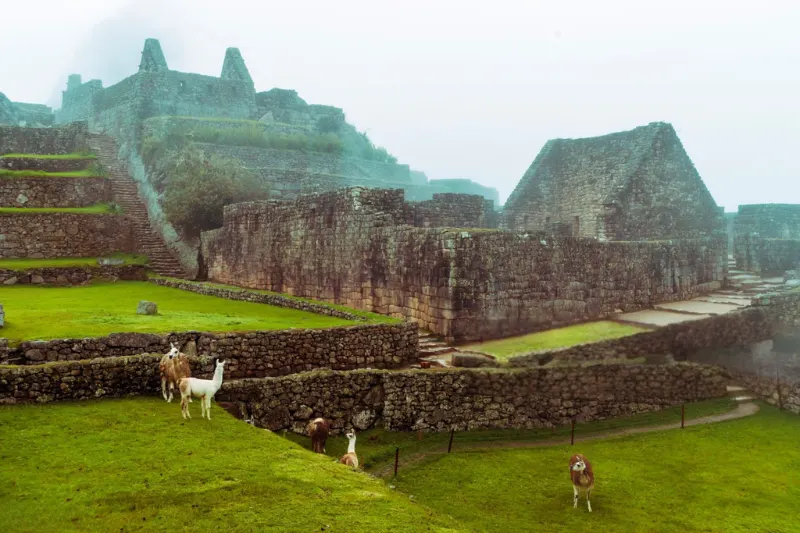
Total whiteout at 7:00 AM. Brilliant sunshine by 9:00 AM. That’s a real possibility here and it happens regularly. Mist rolling over Huayna Picchu creates a moody ethereal atmosphere that suits the cloud forest environment better than blue sky does. Machu picchu landscape visibility in heavy mist is highly variable. Patience is the only strategy. The clouds part. Wait them out.
Photography in the Rain
Overcast skies are better for photography than harsh midday dry-season sun. The clouds act as a giant softbox. Intricate details of Inca stonework appear in ways direct sunlight washes out completely. Tips for capturing the best photos of Machu Picchu in wet season start with arriving early before afternoon clouds build, using soft diffused overcast morning light for stonework detail, and keeping the camera protected but accessible for the moments when mist parts suddenly and the entire citadel appears below a clearing sky.
- Soft light: Even illumination across stone surfaces reveals texture that direct sunlight destroys.
- Scale: Low-hanging clouds emphasize the height of surrounding mountains in ways clear sky photographs simply can’t.
- Gear protection: Dry bag for the camera, lens hood to keep raindrops off the glass. Both essential not optional.
What to Pack for the Rain
Getting this wrong is the most common wet-season mistake. Getting it right is the difference between a miserable soggy slog and a thrilling mountain adventure.
- Waterproof poncho: Covers the body and the daypack simultaneously. Better ventilation in humid jungle climate than a rain jacket. Non-negotiable.
- Waterproof hiking boots: Deep lugs for gripping wet stone steps and muddy trails. Moisture-wicking merino wool socks alongside them.
- Layers: Moisture-wicking base layers, insulating fleece, waterproof outer shell. No cotton. Cotton traps moisture and takes days to dry in a humid climate. Leave it at home.
- Trekking poles: Collapsible with rubber tips. Save knees and provide stability on slippery descents.
- Insect repellent: Wet season brings out mosquitos and sandflies particularly in lower elevations near Aguas Calientes. High-DEET repellent necessary not precautionary.
- Dry bags: Passport, permits, electronics, all of it sealed in waterproof bags inside the daypack.
Is the Wet Season Right For You?
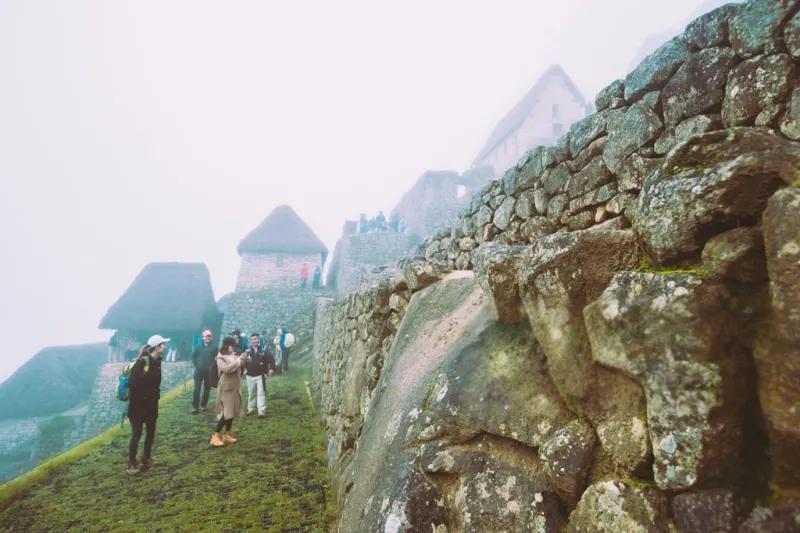
Cloudless blue skies, completely dry trails, and no concern about crowds? The dry winter months are the clear choice. Looking for solitude, vivid landscapes, better prices, and a genuine sense of adventure? The Machu Picchu rainy season offers a completely different experience.
Shifting weather adds drama and mystery to the Inca citadel, creating an atmosphere that clear-sky tourism rarely captures. During the wet season, you can also access some of the top 5 Machu Picchu tours that are often unavailable in peak months because permits sell out quickly.
FAQs
When is the best season to visit Machu Picchu?
Depends on priorities. Driest machu picchu weather and clearest hiking conditions, May through October. Fewer crowds and greener landscapes, the machu picchu rainy season, November through April, if prepared for showers and occasional delays.
What is machu picchu weather like during the wet season?
During the machu picchu wet season, mornings can be clear and humid while rain often arrives later in the day. Brief showers to heavier downpours depending on the month. Mist is common around the ruins throughout the season.
Is machu picchu hiking still worth it in the rainy season?
Yes. Traction boots, waterproof layers, and a flexible itinerary are the three requirements. With those in place, the experience is still excellent.
Does the Inca Trail close in the rainy season?
The Classic Inca Trail closes every February for annual maintenance. Other routes and access by train to Aguas Calientes still operate. The machu picchu citadel remains open throughout.
What should I pack for wet season travel?
Waterproof outer layers, quick-dry clothing, strong grip footwear. A poncho covering the daypack, dry bags for electronics and documents, and extra socks make a noticeable daily difference.
Final Thoughts
The machu picchu rainy season allows Peru’s most famous landmark to be seen in a deeply personal atmospheric way that dry season tourism doesn’t produce. Respecting the climate, preparing for slippery trails, staying flexible with transportation and packing correctly turns the wet season from a deterrent into an actual advantage over the people who went in July. Don’t let rain change the plan. The magic of the mountains is waiting, mist and all.