
Rising above the highlands of Cusco, Salkantay Mountain is one of Peru’s most powerful natural landmarks. A snow-crowned peak surrounded by glacial lakes, cloud forests, ancient trails, and sweeping Andean valleys. For many travelers, it is not simply a mountain to look at from a distance. It is the dramatic centerpiece of the Salkantay trek, a journey that leads from crisp alpine landscapes toward warmer jungle terrain and, for many routes, onward to Machu Picchu.
While the Inca Trail may be the best-known route in the region, the Salkantay route offers a different kind of magic. It feels wilder, broader, and more elemental. You move through sharp changes in climate and scenery, often within the same day. Icy winds near high passes, turquoise water at glacial lakes, misty forest paths, coffee-growing valleys, and distant ridgelines that seem to unfold without end.
For anyone researching Salkantay Mountain Peru, this guide explores what makes the peak so special, what to expect on the trek, how altitude affects the experience, and how to prepare for one of the most memorable adventures in Salkantay Peru.
Where Salkantay Mountain Is Located
Salkantay Mountain is located in the Cusco region of southern Peru, within the Vilcabamba mountain range of the Andes. It stands northwest of the city of Cusco and not far, in regional terms, from Machu Picchu. The mountain’s Quechua name is often interpreted as wild, savage, or invincible. A fitting description for a peak that dominates the surrounding landscape with steep faces, snowfields, and a commanding presence.
The mountain is considered one of the most important apus in the region. In Andean belief, an apu is a sacred mountain spirit, a protective presence connected to water, weather, fertility, and the life of nearby communities. This spiritual significance adds depth to the trekking experience. Travelers are not only moving through beautiful terrain. They are passing through a landscape that has long carried cultural and ceremonial meaning.
Salkantay is not usually approached as a casual summit climb. Its high glaciated slopes require serious mountaineering experience and technical equipment. Most visitors experience the mountain through the Salkantay trek, which passes near the peak and offers remarkable views without requiring a technical ascent.
Why Salkantay Mountain Captivates Travelers
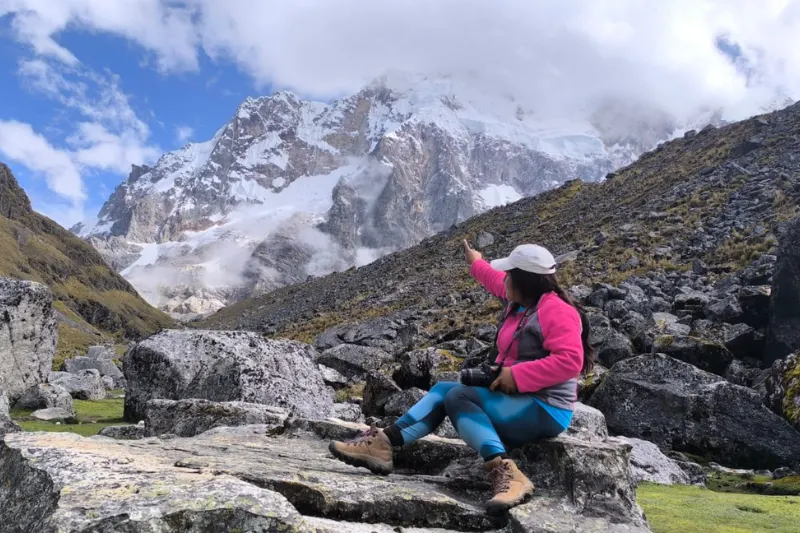
The appeal of Salkantay Mountain begins with its visual drama. On clear days, the peak rises sharply above valleys and ridges, often glowing white against deep blue skies. Clouds move quickly across its upper slopes, creating a constantly changing scene. One moment the mountain appears distant and mysterious. The next, it dominates the entire horizon.
But Salkantay’s beauty is not limited to the mountain itself. The surrounding route is known for its variety. Unlike treks that stay within one type of landscape, the Salkantay route is a journey of transition. You may begin in cold highland terrain, pass beneath glaciers, cross a high mountain pass, descend into greener valleys, and eventually reach areas filled with orchids, fruit trees, and humid forest air.
This variety is one reason the trek is often described as one of the most rewarding alternatives to the classic Inca Trail. It offers a strong sense of wilderness and scale while still connecting with the broader cultural and historical landscape around Machu Picchu.
Travelers are also drawn to Salkantay because it feels immersive. The trail demands effort, but that effort becomes part of the reward. Every climb, every cold morning, every thin-air step at altitude helps shape the experience. By the time you reach lower valleys or continue toward Machu Picchu, the journey feels earned.
Understanding the Salkantay Trek
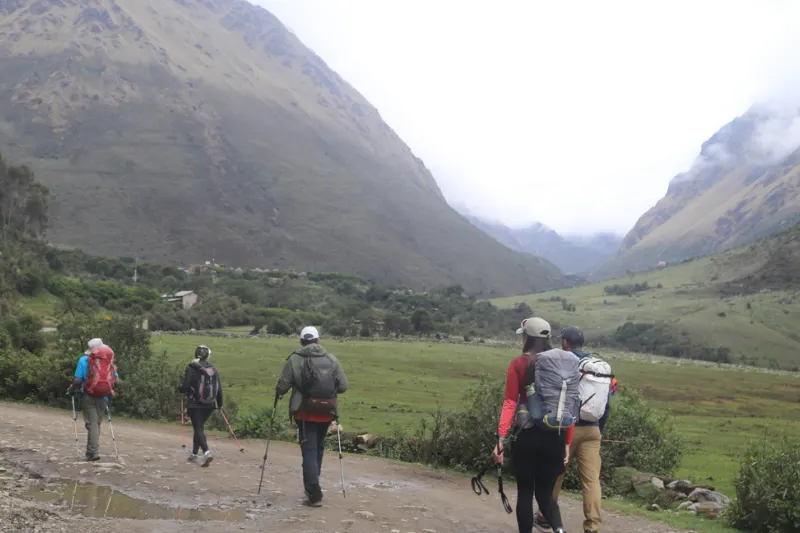
The Salkantay trek is a multi-day hiking route that typically begins in the highlands near Mollepata or Soraypampa and continues through mountain passes, valleys, and cloud forest areas. Many versions of the trek eventually connect travelers with Aguas Calientes, the gateway town for Machu Picchu.
The route is popular because it combines natural beauty with a strong sense of adventure. It does not require the same permit system as the classic Inca Trail, though logistics, campsites, route conditions, and access rules can still vary by operator and season. Most travelers choose to hike with a licensed guide or trekking company, especially if they want support with transportation, meals, camping, and safety.
A typical Salkantay itinerary may last four or five days, although longer and shorter versions exist. The exact route depends on the tour operator, weather conditions, accommodation style, and whether the journey includes side visits such as Humantay Lake.
Common highlights include:
- Views of Salkantay Mountain from highland camps and trail sections
- A visit to Humantay Lake, known for its vivid turquoise color
- The ascent to Salkantay Pass, the highest point on many trek itineraries
- Descents into warmer valleys with cloud forest vegetation
- Encounters with rural Andean communities and agricultural landscapes
- A final approach toward Machu Picchu, depending on the chosen route
The trek is not only about reaching a final destination. It is about watching Peru’s geography transform step by step.
Salkantay Trek Altitude: What to Know Before You Go
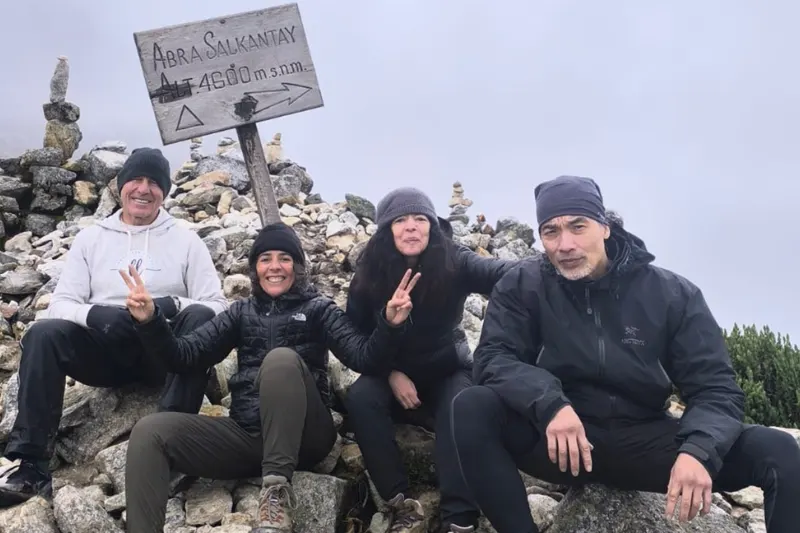
One of the most important planning factors is Salkantay trek altitude. The route reaches high elevations, and the thin air can affect even fit hikers. The highest point on many standard itineraries is Salkantay Pass, often listed at roughly 4,600 meters, or about 15,000 feet, above sea level. Some camps and viewpoints also sit at elevations where altitude symptoms can occur.
Altitude affects people differently. You might feel short of breath on climbs, move more slowly than usual, experience a mild headache, lose your appetite, or feel unusually tired. These symptoms do not necessarily mean you are unprepared. They are common responses to reduced oxygen levels at high elevation. However, altitude sickness can become serious, so it should be treated with respect.
The best approach is to acclimatize before starting the trek. Many travelers spend at least a couple of days in Cusco or the Sacred Valley before heading to the trail. Cusco itself is already high enough to help your body begin adapting. During those first days, it is wise to hydrate well, eat lightly, avoid heavy alcohol consumption, and take it easy rather than rushing into strenuous activity.
On the trail, pacing matters. The Salkantay trek is not a race. Walking slowly and steadily is often the most effective strategy, especially on the ascent to the pass. Good guides will monitor the group, encourage breaks, and watch for signs of altitude-related problems.
If you have medical concerns, previous altitude issues, or are unsure whether the trek is appropriate for you, consult a healthcare professional before traveling. Preparation can make the difference between struggling through the route and genuinely enjoying it.
The Landscapes Along the Route
The landscapes around Salkantay Peru are among the trek’s greatest rewards. Few routes offer such dramatic environmental change in a relatively short span of time.
High Andean Valleys
The early stages often pass through open highland terrain. Here the air is cool, the light is sharp, and the views stretch across wide valleys framed by rugged peaks. You may see grazing animals, stone-walled fields, and small settlements shaped by mountain life.
This part of the journey gives a sense of scale. The mountains are not background scenery. They are the structure of the world around you. Trails climb gradually or steeply depending on the route, and the looming presence of snow-covered peaks signals the altitude ahead.
Glacial Lakes
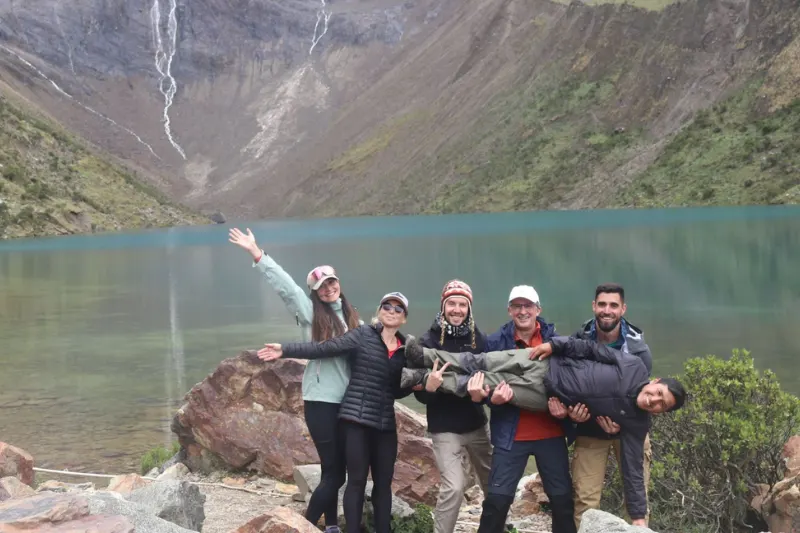
Humantay Lake is one of the most famous side trips associated with the Salkantay route. Its bright blue-green water sits below steep mountain slopes, fed by glacial melt. The lake has become a popular attraction in its own right, but visiting it as part of a larger trek gives the scene more context. It becomes one chapter in a wider Andean journey.
Because glacial lakes and high-altitude environments are sensitive, visitors should stay on established paths, avoid leaving waste, and respect any local rules designed to protect the area.
Salkantay Pass
Crossing Salkantay Pass is often the emotional and physical peak of the trek. The climb is demanding, especially because of the altitude, but the reward is immense. From the pass, hikers may see Salkantay Mountain at close range, along with surrounding ridges, valleys, and glaciers. Weather in the Salkantay trek can shift quickly here, with clear skies giving way to mist, wind, rain, or even snow-like conditions depending on the season and time of day. Proper layering is absolutely essential throughout the journey.
Cloud Forest and Warmer Valleys
After the high pass, many routes descend into greener warmer terrain. The change can feel almost surreal. The cold rocky world gradually gives way to vegetation, birdsong, flowing water, and humid air. Depending on the route, hikers may pass coffee plants, fruit trees, orchids, and dense forest edges.
This descent is one of the reasons the Salkantay trek feels so complete. You do not simply walk near a mountain. You trace a natural corridor from alpine heights toward subtropical landscapes.
Cultural Significance of Salkantay
For local Andean communities, mountains are not inert objects. They are living presences woven into stories, rituals, agriculture, weather patterns, and daily life. Salkantay’s status as an apu gives it a cultural importance that visitors should approach with humility.
This perspective can change the way you experience the trek. Instead of seeing the landscape only as scenery or a physical challenge, you begin to notice relationships. Between snow and water, between highland pastures and farming communities, between ancient routes and modern livelihoods.
Guides from the region often share insights into local beliefs, Quechua words, traditional practices, and the history of the route. Listening to these perspectives can make the journey richer and more respectful.
Responsible travelers should remember that the trail is not a theme park. It passes through living landscapes where people work, raise families, farm, guide, cook, carry supplies, and care for animals. A respectful attitude toward local communities is as important as physical preparation.
How Difficult Is the Salkantay Trek?
Salkantay trek difficulty is generally considered challenging, especially for travelers who are not accustomed to multi-day hiking or high altitude. You do not need to be an elite athlete, but you should be comfortable walking for several hours a day over uneven terrain, sometimes uphill and at elevation.
The main challenges include:
- High altitude, especially near Salkantay Pass
- Long hiking days with sustained climbs and descents
- Cold mornings and nights in the highlands
- Rapid weather changes
- Uneven trails with rocks, mud, or slippery sections
- Physical fatigue from multiple consecutive days of walking
The difficulty also depends on your itinerary. Some operators offer more comfort-focused versions with lodges or upgraded camps, while others follow a more basic camping style. Some routes include additional climbs or side trips, while others are designed to be more direct.
Best Time to Visit Salkantay Mountain
The most popular period for trekking in the Cusco region is generally the dry season, which typically runs from around May to September. During this time, skies are often clearer, and mountain views may be more reliable. However, nights can be cold, especially at higher elevations.
The rainy season, often associated with the months from around November to March, can bring lush landscapes and fewer crowds, but also muddier trails, reduced visibility, and a higher chance of route disruptions. The shoulder months can offer a mix of conditions.
Weather in the Andes is never fully predictable. Even in the dry season, rain or snow can occur at high elevations. Even in wetter months, clear windows are possible. The key is to prepare for variation rather than expecting perfect conditions.
When choosing dates, consider your tolerance for cold, mud, crowds, and uncertainty. If mountain views are your top priority, the drier months may be preferable. If you care more about greenery and a quieter experience, a shoulder-season trip may be appealing.
What to Pack for the Salkantay Trek
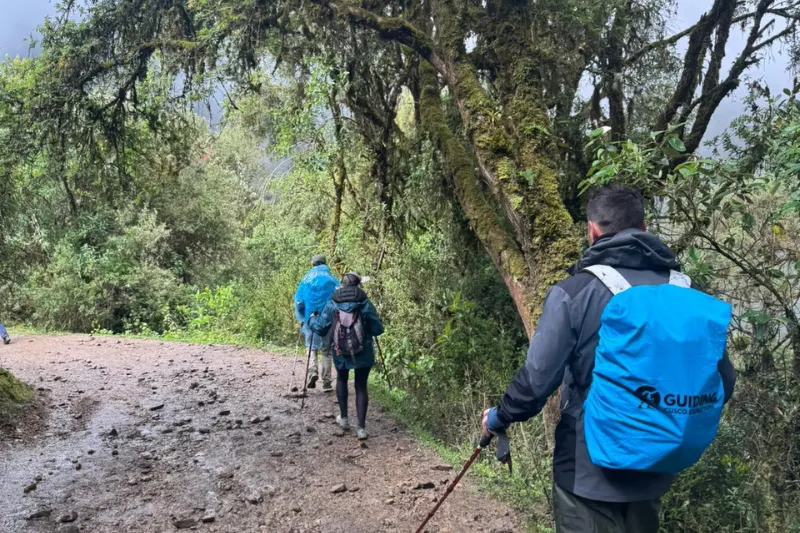
Packing well can significantly improve comfort and safety. Because the trek crosses different climate zones, layering is essential. You need clothing that works for cold highland mornings, warm descents, rain, wind, and physical exertion. Knowing what to pack in your backpack for the Salkantay trek before you leave home saves considerable stress on the trail, where resupply options are extremely limited.
Clothing Layers
Bring moisture-wicking base layers, insulating layers such as fleece or down, and a waterproof outer shell. Avoid relying on one heavy jacket for every condition. Layers allow you to adjust as temperatures change throughout the day.
Useful clothing items include:
- Breathable hiking shirts
- Warm fleece or insulated jacket
- Waterproof rain jacket
- Hiking pants or trekking leggings
- Thermal base layers for cold nights
- Warm hat and gloves
- Sun hat or cap
- Extra socks
Footwear
The best footwear for the Salkantay trek means comfortable broken-in hiking boots or trail shoes with excellent traction and ankle support. The route can include rocky sections, mud, steep descents, and long walking days. Pack quality hiking socks and consider blister prevention items such as tape, moleskin, or blister pads. Never attempt this trek in brand-new boots.
Daypack Essentials
Even if your main luggage is transported, you will need a daypack for items you use while hiking. Carry:
- Water bottle or hydration bladder
- Snacks
- Sunscreen
- Sunglasses
- Rain protection
- Extra warm layer
- Basic personal medications
- Camera or phone
- Portable power bank
- Toilet paper or tissues
- Hand sanitizer
Camping and Personal Items
Depending on your operator, camping gear may be provided. Confirm what is included before you pack. You may need a sleeping bag rated for cold temperatures, a headlamp, personal toiletries, and a small towel. Keep your packing practical. Overpacking can make logistics harder, while underpacking can leave you uncomfortable in difficult conditions.
Training and Physical Preparation
Training for the Salkantay trek should focus on endurance, leg strength, balance, and comfort with uphill walking. If possible, begin preparing several weeks before your trip.
Effective preparation includes:
- Regular long walks or hikes
- Stair climbing or hill workouts
- Strength training for legs and core
- Practice hikes with a loaded daypack
- Cardiovascular exercise such as cycling, running, or swimming
- Mobility work and stretching
If you live near sea level, physical fitness helps but does not fully prevent altitude effects. A fit person can still feel the impact of thin air. That is why acclimatization remains important.
During training, test your footwear, socks, backpack, and layering system. The trail is not the place to discover that your boots cause blisters or your rain jacket does not breathe well.
Responsible Travel on the Salkantay Route
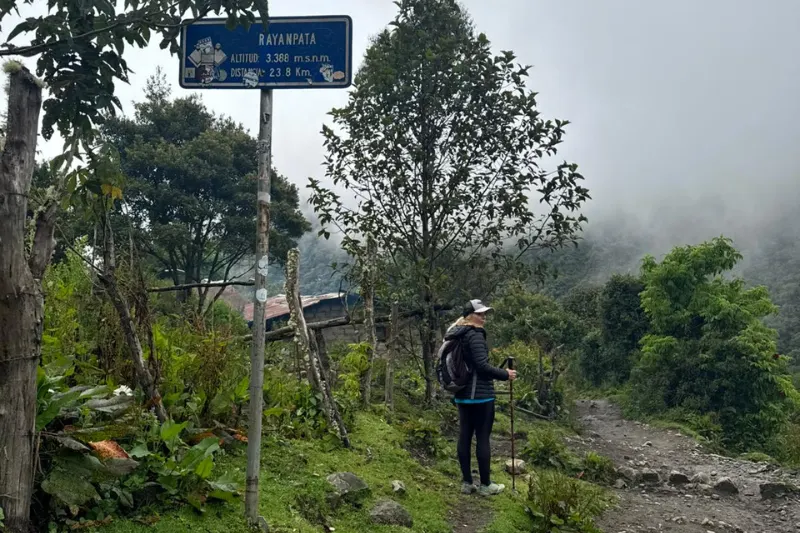
The popularity of the Salkantay trek brings economic opportunity, but it also creates pressure on fragile environments and local communities. Responsible travel helps protect the route for future hikers and supports the people who make the journey possible.
Good practices include:
- Stay on established trails whenever possible
- Pack out personal waste and avoid littering
- Use refillable water systems when safe and practical
- Respect local customs, homes, farms, and sacred places
- Ask before photographing people
- Choose operators that treat guides, cooks, muleteers, and porters fairly
- Avoid disturbing wildlife or grazing animals
- Keep noise low in camps and natural areas
- Follow guide instructions around sensitive sites
A lower-impact trek is not only better for the environment. It is also more meaningful. Moving through the Andes with care helps preserve the sense of wonder that draws people to Salkantay in the first place.
Choosing a Salkantay Trek Operator
Many travelers book the Salkantay trek through a tour operator. The quality of the operator can shape the entire experience, from safety and food to pacing and cultural interpretation.
When comparing options, look beyond the lowest price. A very cheap trek may involve compromises in equipment, meals, staff treatment, group size, or safety standards. A reliable operator should be transparent about what is included and what is not.
Questions to ask include:
- How many days is the itinerary?
- What is the maximum group size?
- What accommodation style is used?
- Are sleeping bags, trekking poles, or duffel transport included?
- How are meals handled?
- What safety equipment is carried?
- What happens if someone becomes ill or cannot continue?
- Are guides licensed and experienced?
- How are support staff paid and treated?
- Is Machu Picchu entry included, if the itinerary goes there?
The right operator should help you understand the route honestly. They should not minimize the altitude, exaggerate guarantees, or pressure you into a trek that does not match your fitness or comfort level.
Salkantay Trek vs. the Inca Trail
Travelers often compare the Salkantay trek with the classic Inca Trail. Both are memorable, but they offer different experiences.
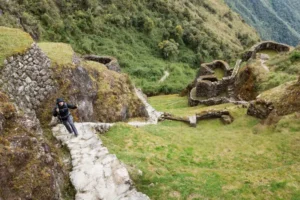
The Inca Trail is famous for its archaeological sites, original stone paths, and direct arrival near Machu Picchu through the Sun Gate on many classic itineraries. It is highly regulated and requires permits that can sell out well in advance.
The Salkantay trek is known more for dramatic mountain scenery, ecological variety, and a stronger wilderness feel. It typically does not follow the same ancient paved route as the classic Inca Trail, but it offers extraordinary views of Salkantay Mountain and a broader range of landscapes.
Choose the Inca Trail if your top priority is archaeological history and the iconic classic route. Choose Salkantay if you are drawn to mountain drama, high passes, glacial scenery, and a physically adventurous journey through changing ecosystems. Both routes can be life-changing. The best choice depends on the kind of experience you want.
Wildlife, Plants, and Natural Details
The Salkantay region is rich in natural contrasts. At higher elevations, vegetation is sparse and adapted to cold, wind, and thin air. Grasses, hardy shrubs, and mossy ground cover define much of the alpine terrain. As the trail descends, plant life becomes more varied and lush.
In cloud forest sections, travelers may encounter orchids, ferns, bromeliads, and dense green vegetation. Birdlife can be especially interesting, though sightings depend on the season, route, and time of day. The transition from high Andes to cloud forest is one of the most fascinating ecological features of the trek.
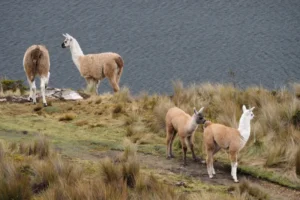
Animals such as horses, mules, and alpacas may be seen along parts of the route, especially where local communities use them for transport, grazing, or trekking support. Wild animals are often more elusive, so patience and quiet observation help.
Natural beauty on the Salkantay route is often found in details as much as grand views. Frost on morning grass, the sound of meltwater streams, clouds rising from valleys, and the sudden warmth of sun after a cold climb.
Photography Tips for Salkantay Mountain
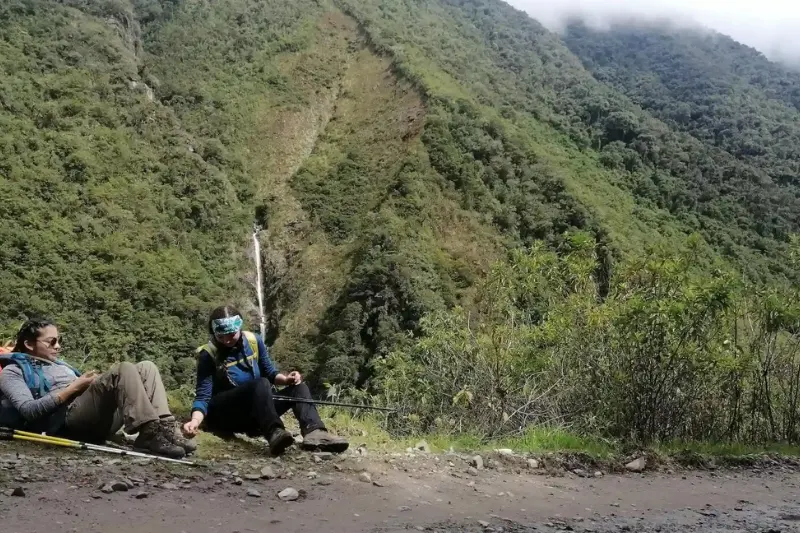
Photography in the Salkantay trek is a genuinely rewarding challenge. Bright snow, deep shadows, fast-moving clouds, and wet weather all require flexibility and preparation. The most memorable images often come from unexpected moments rather than planned viewpoints.
Helpful tips include:
- Keep your camera or phone accessible but protected from rain
- Bring extra batteries or a power bank, as cold can drain power faster
- Shoot early and late in the day for softer light when possible
- Use people in the frame to show the scale of the mountains
- Capture transitions, not just summits and viewpoints
- Protect your gear from dust, moisture, and sudden temperature changes
- Take time to photograph small details such as plants, stones, trails, and camp life
The most meaningful images often come from the journey itself. Tired boots on a mountain path, steam rising from a warm drink, a guide pointing toward the pass, or clouds opening briefly to reveal the peak.
Food and Accommodation on the Trek
Meals at the Salkantay trek vary depending on the operator and package, but most treks include cooked meals prepared by support staff throughout the journey. Meals are often hearty because hikers need energy for long days. Expect simple but satisfying food, with soups, grains, vegetables, pasta, rice, potatoes, eggs, and local ingredients commonly appearing in different forms. Many operators take genuine pride in the quality of food they provide on the trail, and a hot meal at the end of a long cold day can feel like one of the best things about the entire experience.
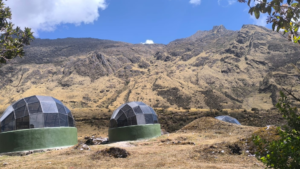
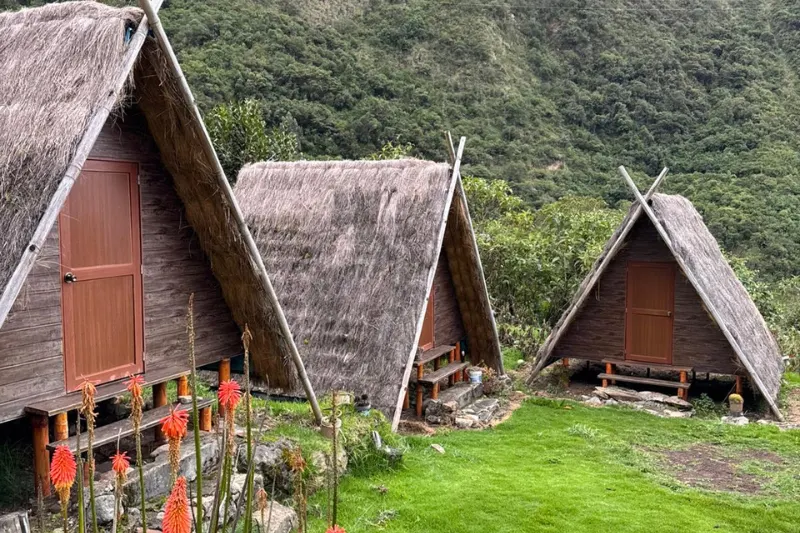
Accommodation may include tents, basic lodges, mountain huts, or more comfortable glamping-style options depending on the itinerary. Some travelers prefer rustic camping for the classic adventure feel, while others choose upgraded stays for warmth and comfort.
Before booking, confirm what is included:
- Number of meals
- Drinking water arrangements
- Accommodation type each night
- Sleeping bag requirements
- Luggage transport limits
- Shower availability
- Toilet facilities
- Electricity or charging access
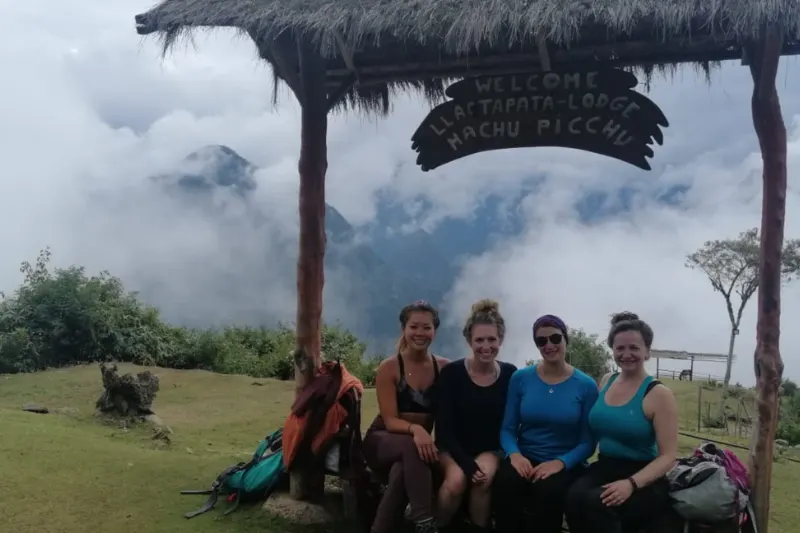
Knowing what to expect helps prevent disappointment. The Salkantay trek is remote in sections, so comfort levels may differ from standard hotels. For many hikers, that simplicity is part of the experience.
Safety Considerations
Safety on the Salkantay trek begins with preparation and realistic expectations. The route is beautiful, but it includes real mountain conditions. Altitude, weather, fatigue, and terrain can all create risks.
Important safety tips include:
- Acclimatize before starting
- Tell your guide immediately if you feel unwell
- Drink water regularly
- Eat enough, even if altitude reduces your appetite
- Use sun protection at high elevation
- Keep warm during cold mornings and nights
- Watch your footing on descents
- Do not wander away from the group in poor visibility
- Carry essential personal medication
- Listen to local guide advice about weather and trail conditions
If symptoms of altitude sickness become severe, descending may be necessary. Pride should never override safety. A good trek is one you complete with respect for your body and the mountain.
The Emotional Side of the Journey
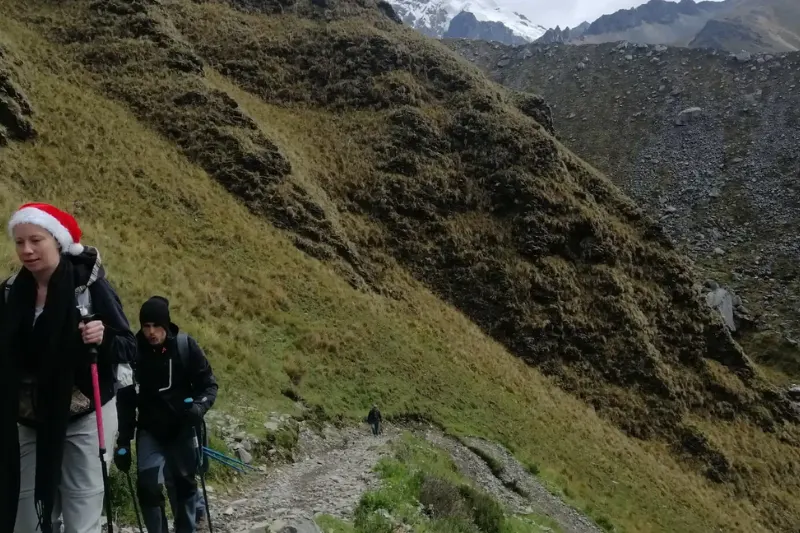
Part of what makes the Salkantay trek memorable is the emotional arc. At the beginning, the mountain may feel intimidating. The air is thin, the trail is long, and the pass seems far away. As the days unfold, you adjust to the rhythm of walking, resting, eating, and observing.
There may be moments of discomfort. Cold fingers, tired legs, wet clothes, or breathless climbs. But these moments often become part of the story. They make the clear views more powerful, the warm meals more satisfying, and the descent into greener valleys more joyful.
Many travelers describe a sense of humility on the route. Salkantay is too large and too wild to be reduced to a checklist item. It invites patience. It reminds you that landscapes can be both beautiful and demanding, generous and unforgiving.
By the end of the trek, the memory is not only of a mountain. It is of movement through a living world.
Practical Tips for a Better Experience
A few simple decisions can make the trek smoother and more enjoyable.
Arrive early in Cusco and give yourself time to acclimatize, organize gear, and adjust to the pace of the Andes. Rushing from arrival straight into the trek can make altitude more difficult.
Pack light but smart. Bring what you need for warmth, rain, sun, and comfort, but avoid unnecessary extras. Every item should have a purpose.
Use trekking poles. They can help with balance and reduce strain on knees, especially during long descents. Many hikers find them extremely useful on the Salkantay route.
Break in your boots before the trip. Never start a multi-day trek with brand-new footwear. Wear your boots or trail shoes on practice hikes first.
Carry cash. Small amounts of local currency may be useful for snacks, tips, bathrooms, or local purchases along the way, depending on the route.
Respect the pace. The mountain sets the pace, not the itinerary on paper. Weather, altitude, and group energy can all influence the day.
Stay curious. Ask guides about the landscape, language, culture, plants, and history. The trek becomes richer when you understand more of what you are seeing.
Common Mistakes to Avoid
Even experienced travelers can underestimate Salkantay. Avoiding common mistakes can protect both your comfort and safety.
Mistakes to watch for include:
- Skipping acclimatization before the trek
- Packing too little warm clothing
- Wearing untested footwear
- Ignoring early signs of altitude sickness
- Choosing an operator based only on price
- Forgetting sun protection
- Overpacking your daypack
- Assuming all routes and inclusions are the same
- Not checking what gear is provided
- Treating the trek only as transportation to Machu Picchu
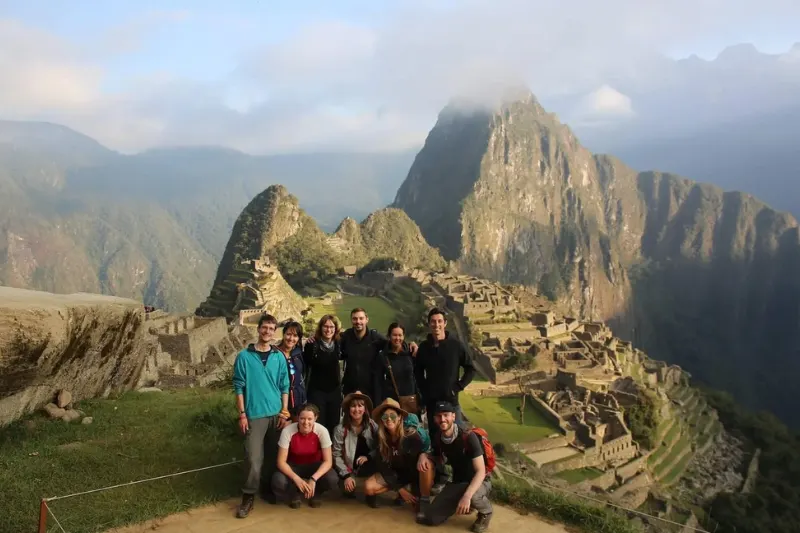
The final point is important. If your itinerary includes Machu Picchu, it can be tempting to think of Salkantay merely as a route to get there. But the trek is a destination in itself. Give it the attention it deserves.
Why Salkantay Belongs on a Peru Itinerary
Peru is filled with extraordinary places, from coastal deserts and Amazon rainforest to colonial cities and ancient ruins. Yet Salkantay Mountain Peru stands out because it brings together so many elements of the country’s identity. High Andes, Indigenous cultural meaning, glacial landscapes, rural communities, and pathways connected to one of the world’s most famous archaeological regions.
Most of all, Salkantay offers perspective. In a world where travel can become rushed and overly convenient, the trek asks you to slow down and move by foot through terrain that cannot be fully understood from a vehicle or viewpoint. You experience distance, altitude, weather, and landscape with your whole body.
Final Thoughts
Salkantay Mountain is one of the great natural wonders of the Peruvian Andes. Its snow-covered summit, sacred presence, and surrounding ecosystems make it far more than a scenic backdrop. Through the Salkantay trek, travelers can experience the mountain’s power up close while journeying across some of the most diverse terrain in the Cusco region.
The trek is demanding, especially because of the Salkantay trek altitude, but it rewards preparation with moments that stay long after the journey ends. The first sight of the peak at sunrise, the slow climb to the pass, the shift from cold rock to green forest, and the quiet satisfaction of walking through a landscape shaped by nature, culture, and time.
For those seeking a deeper adventure in Salkantay Peru, this route offers more than beautiful views. It offers a connection to the Andes at their most dramatic, humbling, and unforgettable.