
Peru’s dry season runs roughly May through October in the Andes. Cusco, the Sacred Valley, Lake Titicaca, most trekking routes to Machu Picchu, all fall under that window. Driest, clearest months land in June, July, August. Colder nights though, and the biggest crowds too. April and October work as shoulder months. Often excellent, less predictable than the core stretch.
Here’s the catch. Peru doesn’t have one simple national climate. Pacific coast, Andes, Amazon basin, altitude, the Humboldt Current, all shaping the country at once. Peru’s meteorological service notes many climate types exist here, arid desert to cold highland valleys to warm, rainy jungle. So the best time to go to Peru really depends on where exactly, and what kind of trip.
Quick Answer: When is the Dry Season in Peru?
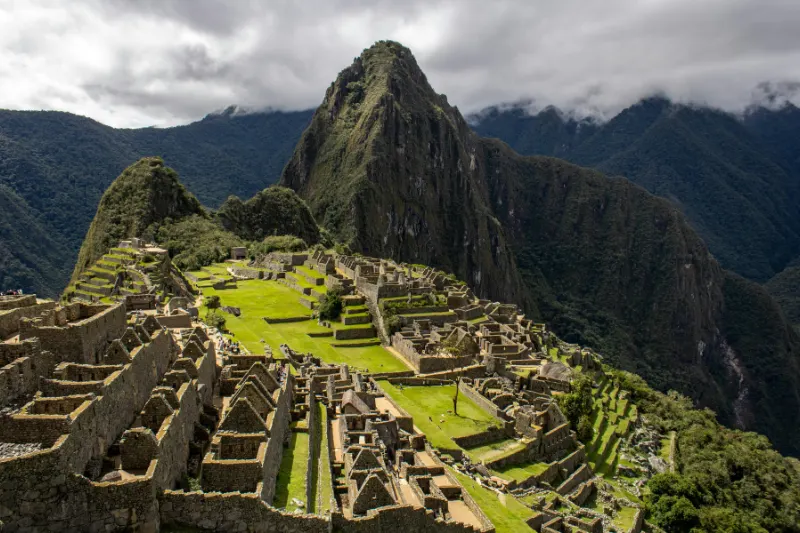
For most travelers, «Peru dry season» means the Andean dry season specifically. That’s the season mattering most for Cusco, Machu Picchu, the Inca Trail, the https://guidingcusco.com/tours/sacred-valley-cusco-peru-sacred-valley-tour/, Rainbow Mountain, Colca Canyon, Huaraz, Lake Titicaca.
In broad terms:
- Andes and Machu Picchu: April or May to October, driest weather June to August.
- Amazon: May to October, less rainy season, though rain stays possible year round.
- Coast and Lima: arid most of the year, warmest beach weather usually December to March.
- Rainy season in the Andes: November to March, January and February often the wettest stretch.
- Best balance for a classic Peru trip: May, June, September, or October.
For Machu Picchu specifically, SERNANP lists the recommended visiting season as April to October and the rainy season as November to March. Lines up with general travel advice for the southern Andes.
Why Peru’s Weather Feels So Different by Region
A common mistake: searching «weather conditions in Peru» and expecting one answer. Peru works better understood as three distinct travel climates instead.
The Coast: Lima, Paracas, Huacachina, Nazca, Trujillo, Máncora
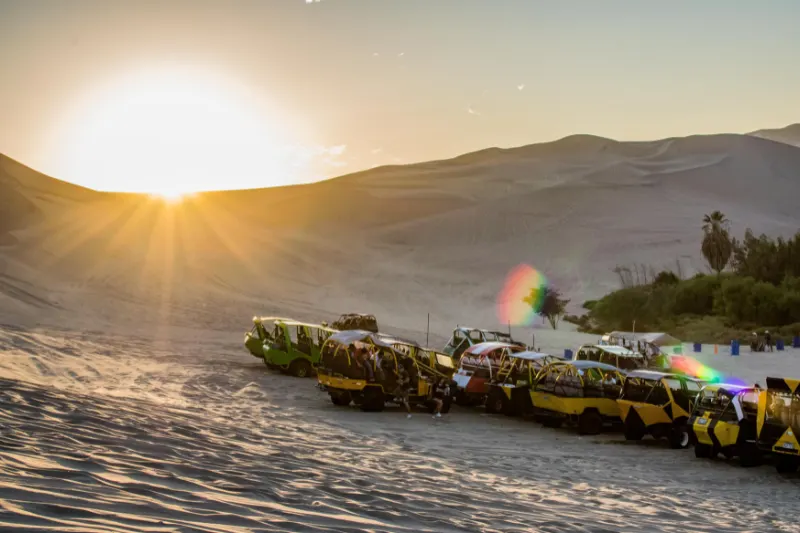
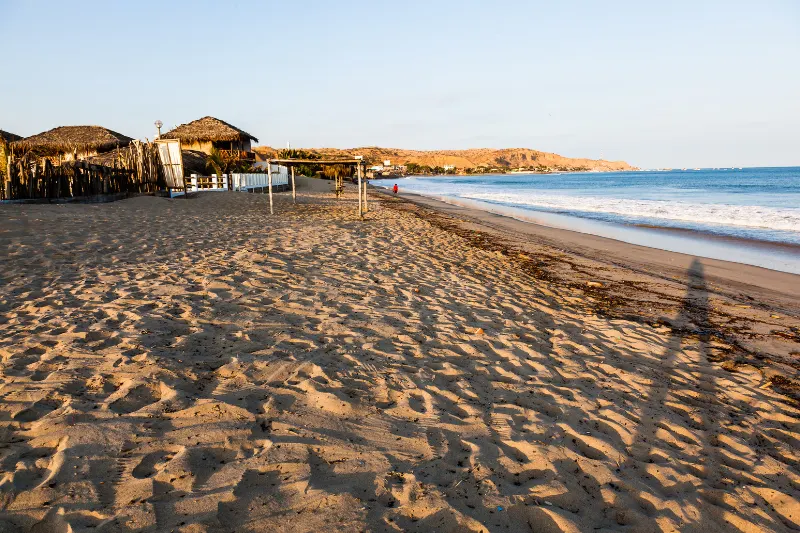
Peru’s coast is basically a desert strip. Lima can stay dry even while Cusco gets hit with afternoon downpours. Around December to March, the coast turns warmer, sunnier. Best period for beaches, surfing, coastal food trips, desert excursions.
From roughly May to November though, Lima often turns gray, misty. This coastal fog, garúa locally, can make the city feel cool and overcast, even barely raining at all. Trip focused on Lima, Paracas, Ica, Huacachina, Nazca, or northern beaches?
The Andes: Cusco, Machu Picchu, Sacred Valley, Arequipa, Puno, Huaraz
The Andes explain why most people ask about dry season Peru travel in the first place. Seasonality affects trekking, photography, road conditions, day to day comfort, most here.
During dry season, days often turn bright, sunny. Nights can go cold though, especially at altitude. Cusco, Puno, Huaraz, a t-shirt at midday and down jacket after sunset, completely normal. Rainy season, mornings can still feel pleasant, but afternoon showers, clouds, muddy trails, occasional disruptions, more likely as the day goes on.
The Amazon: Iquitos, Puerto Maldonado, Tambopata, Manu
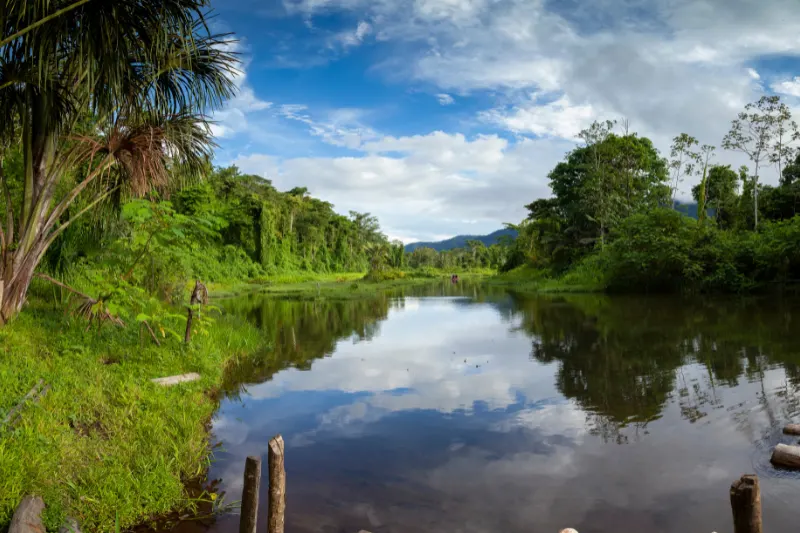
The Amazon stays hot, humid, green year round. No exceptions. «Dry season» in the jungle really just means «less rainy season.» Trails tend to run easier May to October, rivers may drop lower though. Wetter months, rivers rise, boat access can actually improve in some areas, wildlife viewing shifts. Rain protection belongs in the bag regardless of timing.
Best Time to Go to Peru by Travel Style
No single best month for everyone here. Depends heavily on priorities.
Best for Machu Picchu and Cusco: May, June, September, or October. Strong odds of dry weather without diving into the busiest weeks of July and August. Solid balance of visibility, trail conditions, manageable crowds.
Best for trekking: June through September for the Inca Trail, Salkantay Trek, Lares Trek, Ausangate, Huaraz hikes. Trails typically firmer, skies clearer, though nights can turn very cold.
Best for fewer crowds: April, May, October, or November. April and May often bring green landscapes right after the rains. October can still work for trekking, though showers get more likely as the month progresses. November runs quieter, more rain expected in the Andes.
Best for the coast and beaches: December through March. Lima sunshine, warm coastal evenings, beach destinations. Also when many Peruvians travel to the coast for their own summer.
Best for the Amazon: May through October. Easier jungle walking, somewhat lower rainfall, though the Amazon never truly goes dry.
Month-by-Month Peru Weather and Travel Guide
Focus below: Machu Picchu weather, trekking conditions, the coast, the Amazon, practical tips for each part of the year.
January
Rainy season, Andes and Amazon both. Cusco and the Sacred Valley, green hills, cloudy skies, frequent showers, especially afternoon. Machu Picchu can still look atmospheric, beautiful, mist drifting through the ruins. Views come and go quickly though.
Not the best month for serious trekking unless mud and flexible logistics don’t bother you. Coast though, warm, summery. Lima, Paracas, Huacachina, northern beaches, far more appealing than during the gray coastal winter.
Travel tips for January:
- Pack a real rain jacket, not just a light windbreaker.
- Build extra time into Andes itineraries.
- Expect lush scenery but lower mountain visibility.
- Choose coastal destinations if sunshine is the priority.
February
Usually one of the most challenging months for Andean trekking. Rain can turn heavy, trails muddy, clouds often obscure mountain views entirely. Machu Picchu stays dramatic in wet season light, but not the month for a crisp, cloudless postcard view.
Key month to check Inca Trail status specifically. In 2026, Peruvian authorities confirmed several Inca Trail Network routes to Machu Picchu closed through February 28 for maintenance, normal tourism operations expected to resume March 1. The official Peruvian newspaper described this as a regular annual practice.
Travel tips for February:
- Avoid planning once-in-a-lifetime treks unless comfortable with rain risk.
- Confirm current trail, route, and operator status before booking.
- Consider Machu Picchu by train rather than a multi-day trek.
- Prioritize Lima, beaches, northern Peru, food travel, museums if rain isn’t appealing.
March
Transitional. The Andes stay in rainy season, but conditions often start improving later in the month. Downpours around Cusco, Machu Picchu, the Sacred Valley remain possible, yet more dry windows tend to appear than in February.
Coast stays warm. Works well for itineraries combining Lima, Paracas, Huacachina, Nazca, a cautious visit to Cusco. Amazon stays wet, humid, lush throughout.
Travel tips for March:
- Choose late March over early March if trekking matters.
- Keep rain gear in the daypack at all times.
- Expect green landscapes and fewer crowds than peak dry season.
- Watch for weather related changes if traveling by road in the highlands.
April
One of Peru’s most underrated months. Rains usually ease up in the Andes, hills stay green, crowds run lighter than June, July, August. Strong mix of beauty and value for many travelers.
Machu Picchu weather in April can still swing, but trending toward drier days, better visibility. Trekking routes begin improving, some trails may still feel damp from the rainy season though.
Travel tips for April:
- Consider April for green scenery and fewer people.
- Bring layers for cool nights and rain protection for leftover showers.
- Book Machu Picchu and train logistics early around Easter or regional holidays.
- Good month for photographers who like lush valleys.
May
Often the true start of dry season in Peru’s Andes. Landscape stays fresh from the rains, skies grow clearer, trekking conditions improve steadily. One of the best months for a classic route through Lima, Cusco, the Sacred Valley, Machu Picchu, Lake Titicaca.
Compared with July and August, May feels calmer, more flexible. Nights start getting colder, daytime weather usually stays comfortable.
Travel tips for May:
- Book key Machu Picchu logistics in advance, but expect fewer crowds than peak season.
- Pack sunscreen, sunglasses, and a warm layer for evenings.
- Plan major hikes with confidence, while allowing for mountain weather changes.
- One of the best all-around months for first-time visitors.
June
Dry, sunny, festive, popular, all at once. Cusco usually sees some of its best weather of the year here. Bright days, chilly nights. Excellent month for Machu Picchu, the Sacred Valley, the Inca Trail, Rainbow Mountain, highland photography.
Tradeoff comes down to demand. June kicks off the busiest stretch in the Andes, so hotels, trains, guides, entry tickets need arranging well ahead of time. High altitude nights can also feel surprisingly cold this month.
Travel tips for June:
- Reserve early for Cusco, Machu Picchu, and trekking routes.
- Bring warm sleepwear and a jacket for early departures.
- Start hikes early for the clearest skies and best light.
- Expect strong sun at altitude even when the air feels cool.
July
Peak dry season Peru travel. Clear Andean weather the top priority? July stands as one of the safest bets. Trails usually run at their driest, mountain views stay strong, Machu Picchu visibility can turn excellent.
But July also counts as one of the busiest, coldest months in the highlands. Cusco, Machu Picchu, the Sacred Valley see heavy demand. Domestic travel increases around Peru’s late-July national holidays too.
Travel tips for July:
- Book far in advance, especially for Machu Picchu and the Inca Trail.
- Prepare for cold mornings and nights.
- Bring lip balm, moisturizer, and sun protection for dry mountain air.
- Expect crowds at major viewpoints, start early when possible.
August
Continues the dry, sunny pattern in the Andes. Top month for trekking, high altitude landscapes, reliable trail conditions, very little rain across many mountain areas.
Like July, August runs busy. Alternative treks, lesser known Sacred Valley sites, or a September trip might suit anyone wanting solitude instead. The coast, especially Lima, stays likely gray and cool rather than sunny this month.
Travel tips for August:
- Choose August for trekking reliability.
- Choose alternative trails for fewer crowds.
- Pack for cold nights in Cusco, Puno, and Huaraz.
- Don’t expect beach weather in Lima just because the Andes stay dry.
September
One of the best months to visit Peru overall. Andes usually stay dry, crowds begin easing after the busiest vacation period, temperatures may feel slightly less harsh than July and August.
For many travelers, September hits the sweet spot for Machu Picchu, the Sacred Valley, Cusco, trekking. Amazon stays in its less rainy period too, making September a strong month for combining mountains and jungle in one trip.
Travel tips for September:
- Consider September for a balanced Peru itinerary.
- Book important logistics early, but expect a little more breathing room than July.
- Keep a light rain layer handy as the season slowly shifts.
- Great month for combining Machu Picchu with the Amazon.
October
Classic shoulder season question. In the Andes, October often stays good for travel, especially first half, but showers become more likely as the rainy season approaches. Days can run warmer than midwinter, landscapes turn less dry, crowds generally stay lower than peak season.
For Machu Picchu, October can offer an excellent compromise. Better availability than July or August, decent odds of good views, a more relaxed feel overall. Not as reliably dry as June through August though, so pack for changing conditions.
Travel tips for October:
- Choose early October for better dry season odds.
- Bring a compact rain jacket even on sunny mornings.
- Use October for a balance of weather, crowds, and value.
- Expect the Amazon to become more humid and storm-prone as rains build.
November
Marks the return of wetter weather in the Andes. Visiting Cusco and Machu Picchu still very possible, but more clouds, afternoon rain, should be expected. Upside, thinning crowds, landscapes turning greener again.
Coast begins warming, especially later in the month. Flexible travelers preferring fewer tourists will find November rewarding. Not the best month for high stakes trekking though.
Travel tips for November:
- Treat November as shoulder-to-rainy season in the Andes.
- Plan outdoor activities for the morning.
- Keep the itinerary flexible.
- Consider adding coastal destinations as weather improves there.
December
Depends heavily on region. Coast moves into summer, so Lima, Paracas, Huacachina, northern beaches turn warmer, brighter. Andes though, rainy season fully underway. Cusco and Machu Picchu can still be visited, but showers, mist, clouds show up regularly.
December also counts as a holiday travel month, demand rises around Christmas and New Year even though it’s not the driest time in the Andes. Traveling in December means planning for mixed conditions. Beach-friendly weather on the coast, rain-ready days in the mountains.
Travel tips for December:
- Pack rain gear for Cusco and Machu Picchu.
- Book holiday travel early.
- Choose the coast for sun and summer atmosphere.
- Visit Machu Picchu with realistic expectations about clouds and visibility.
Machu Picchu Weather: What to Expect
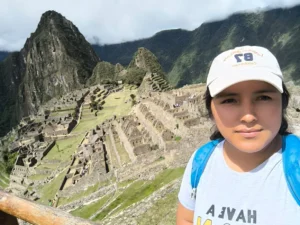
Machu Picchu sits in a cloud forest environment, doesn’t behave exactly like Cusco. Lower, warmer, greener, more humid than the city of Cusco, mist part of the experience regardless of season. SERNANP’s visitor guidance for the Historic Sanctuary of Machu Picchu identifies April to October as the recommended season, November to March as the rainy season. Also advises climate appropriate clothing, repellent, sun protection.
Best time to visit Machu Picchu for clear weather usually falls May through October, strongest odds June through August. For a balance of weather and fewer crowds often lands on May, September, or October. Best time for lush scenery and atmospheric photos often falls in April, November, or even the rainy season for anyone patient and flexible enough.
A practical Machu Picchu weather plan:
- Go early in the day, but know mist may lift later.
- Carry a rain shell even in dry season.
- Wear shoes with grip, since stone steps can turn slick.
- Use sunscreen at altitude, even when clouds are present.
- Keep expectations flexible, since clouds can hide and reveal the citadel quickly.
Dry Season vs. Rainy Season: Which Is Better?
The dry season in Peru works best for anyone wanting clearer mountain views, better trekking conditions, easier logistics in the highlands, more reliable Machu Picchu photography, classic blue sky days in Cusco and the Sacred Valley.
The rainy season works best for anyone wanting greener landscapes, fewer visitors, lower demand outside holidays, moody clouds and misty photography, warm sunny coastal travel from December to March.
Neither season comes out perfect. Dry season delivers better weather in the Andes, but bigger crowds and colder nights come along with it. Rainy season stays quieter, greener, but requires real flexibility from travelers willing to work around it.
What to Pack for Peru’s Dry Season
Packing well matters here, since Peru’s dry season can still include big temperature swings throughout the day. In the Andes, packing needs to cover sun, cold, altitude, dust, occasional surprise rain, all at once.
Bring:
- Lightweight hiking pants or travel pants
- Breathable shirts for daytime
- A fleece or insulated mid-layer
- A warm jacket for early mornings and evenings
- A compact rain shell
- Comfortable walking or hiking shoes
- Hat, sunglasses, and high-SPF sunscreen
- Reusable water bottle
- Lip balm and moisturizer
- Small daypack for layers
- Any personal altitude or motion-sickness remedies recommended by a clinician
For the Amazon, add:
- Quick-dry clothing
- Long sleeves and long pants for insects
- Insect repellent
- Waterproof bag or dry bag
- Sandals or lodge shoes
- Extra socks
For the coast, add:
- Light layers for Lima’s cool gray months
- Swimwear for December to March beach travel
- Wind protection for Paracas and desert excursions
- Sun protection for Huacachina, Nazca, and northern beaches
Peru Travel Tips for Planning Around Weather
Good Peru travel tips usually start with one idea. Don’t plan the whole country around a single climate zone. A perfect month for Machu Picchu may look gray in Lima. A perfect month for beaches may run wet in Cusco.
Use these planning rules:
- Prioritize the main experience. If Machu Picchu or trekking drives the trip, plan around the Andean dry season.
- Use shoulder months wisely. May and September often turn out excellent. April and October can be beautiful but slightly less predictable.
- Book earlier for June through August. Dry season means high season in Cusco and Machu Picchu.
- Acclimatize before high altitude hikes. Spend time in Cusco or the Sacred Valley before strenuous trekking.
- Plan outdoor activities in the morning during rainy season, since afternoon showers stay common in the Andes.
- Pack layers year round, since altitude matters more than the calendar does.
- Check current trail status, since mountain routes can shift due to maintenance, rain, or safety decisions.
- Remember the coast runs different. Lima’s warmest, sunniest period doesn’t match the Andean dry season.
Sample Timing Recommendations
For a classic first-time route with Lima, Cusco, Sacred Valley, and Machu Picchu, choose May, June, September, or October. The Inca Trail or another major trek, choose June, July, August, or September. A honeymoon or comfort-focused trip, choose May or September for a strong balance of weather and crowd levels.
For beaches and coastal food travel, choose January, February, or March. The photography with green landscapes, choose April or May right after the rainy season, or November for anyone comfortable with showers. For the Amazon plus Machu Picchu, choose May through September, September often offering a particularly good balance between the two.
Frequently Asked Questions
What is the best time to go to Peru?
For most first-time visitors, the best time to go to Peru is May, June, September, or October. These months usually work well for Cusco, Machu Picchu, the Sacred Valley, and broader Peru itineraries. July and August also work excellently for dry weather, though busier and colder at night.
What months are dry season in Peru?
The main dry season in Peru’s Andes runs from May to October. June, July, and August usually count as the driest months. April and October work as shoulder months, can turn out very good but stay more variable.
Is Machu Picchu open during rainy season?
Machu Picchu can still be visited during the rainy season, though weather can affect visibility, comfort, trekking plans. The Inca Trail Network is the route most associated with seasonal maintenance closures, especially in February, so checking current official and operator updates before booking always helps.
Is Peru weather in December good for travel?
Peru weather in December works well for the coast but turns wetter in the Andes. Lima and beach areas warm up, while Cusco and Machu Picchu enter rainy season. December can still work well for anyone who packs for rain and books early around the holidays.
Is weather in Peru in March too rainy?
March stays rainy in the Andes, especially early in the month, but conditions often start improving later on. Can work as a decent shoulder month for flexible travelers wanting greener landscapes and fewer crowds, though not the most reliable month for trekking.
Is weather in Peru in October good?
Weather in Peru in October often turns out good in the Andes, especially early in the month. Sits as a shoulder period near the end of the dry season, so excellent conditions with fewer crowds are possible, though showers become more likely as November approaches.
What is the best time to visit Machu Picchu?
The best time to visit Machu Picchu for dry weather usually falls May through October. For the clearest views, June through August works best. For fewer crowds with good weather odds, May, September, or October are worth considering.
Final Take: The Best Dry Season Peru Strategy
If the dream trip centers on Machu Picchu, Cusco, the Sacred Valley, and trekking, plan for the Peru dry season from May to October. Choose June through August for the driest conditions, or May, September, and October for a better mix of weather and crowds.
If the trip leans more coastal, December through March may work better instead. For the Amazon, May through October usually stays easier for trails, though rain is always part of the rainforest experience regardless. The smartest plan isn’t asking only «When is dry season in Peru?» It’s asking instead, «Which Peru am I visiting: coast, Andes, Amazon, or all three?»