
In Cusco and other high-altitude areas, drinking coca leaf tea is very common. Many people use it to feel better while getting used to the altitude. Locals drink it every day, and more and more travelers are using it as a natural way to avoid feeling unwell.
In this travel blog, we’ll show you the best places to drink coca leaf tea in Cusco, how to include it in your daily routine while exploring the city, and some tips to prevent altitude sickness. This way, you can enjoy your trip without letting the altitude affect you.
What is coca tea and its tradition
The coca leaf carries a lot of weight in the Andean world — Cusco especially. It’s not just a plant. For indigenous communities it’s tied to identity, to belief, to things that were already old before the Inca ever built their first stone wall. Coca was medicine, yes, but also a gesture — something you offered to the earth when you needed to ask something of it. Centuries later, that still holds.
Peruvian healers figured out early on that coca leaf tea does real things — settles the stomach, keeps energy up, helps the body stop fighting the altitude and start accepting it. Nobody wrote that down at first. It moved the way most valuable things do in rural communities: mouth to mouth, hand to hand, one generation showing the next.
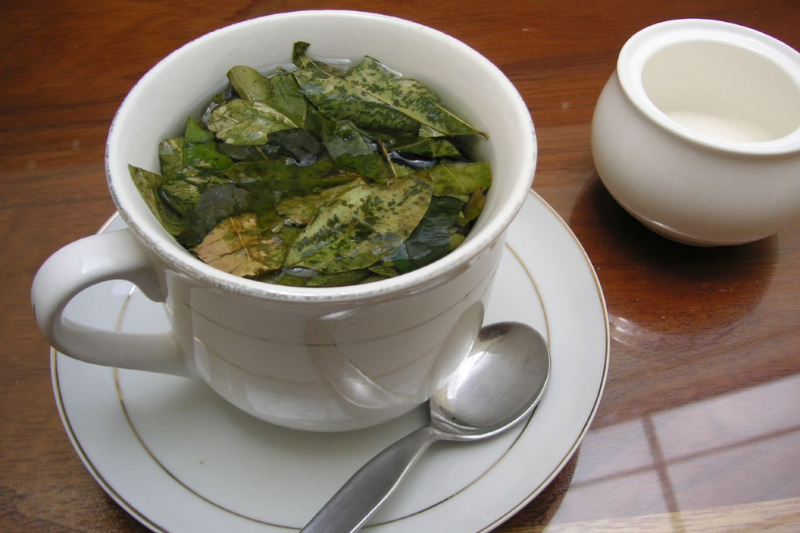
Walk into almost any home or market or guesthouse in Cusco and sooner or later someone puts a cup in front of you. Hot, usually. A bit of sugar if you want it. No ceremony required — it’s just what’s offered.
Benefits of coca tea for travelers
Altitude catches most people off guard in Cusco. One moment you step off the bus feeling fine, and the next your head is pounding and your legs feel twice their normal weight. Coca leaf tea shows up at that exact moment, usually handed to you before you even ask. It helps the lungs work a little harder, takes the edge off the exhaustion, and buys the body the time it needs to figure out where it is.
But honestly it does more than just the altitude thing. Long travel days, steep trails, hours on a bus through winding roads, coca keeps you functional through all of it. Digestion stays calm, energy doesn’t crash, and there’s a steadiness that’s hard to explain until you’ve actually felt it.
Muña tea works for some people. Eucalyptus too. Nobody says those are useless. But ask around in any Andean village or Cusco neighborhood and coca is what people actually reach for, not because someone told them to, but because it has been working for a very long time and people remember that. It handles several things at once, which most single remedies just don’t do.
Where and how to drink coca tea in Cusco
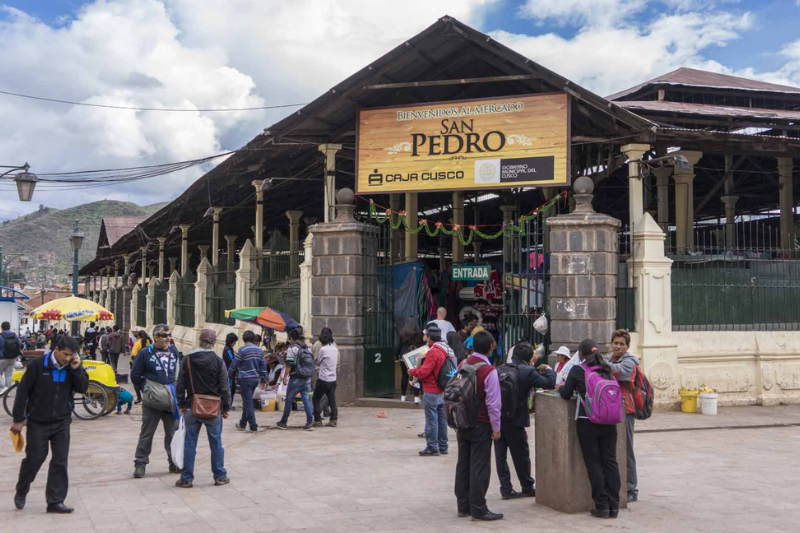
Coca leaf tea is pretty much everywhere in Cusco once you start looking. Hotels put it out as soon as you check in, restaurants keep it on the menu year round, and in the markets you’ll find it both ready to drink and sold as loose leaves to take with you. It’s not a tourist gimmick. Locals drink it too, and have for a long time.
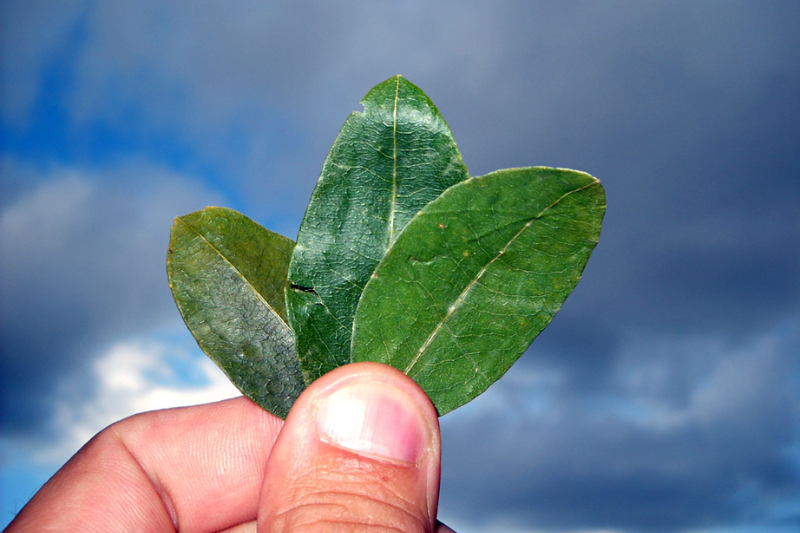
Making it at home is straightforward. A few clean leaves dropped into hot water, maybe three or four minutes to steep, and that’s really it. One thing worth knowing is that boiling the leaves too long tends to weaken them rather than strengthen them, so patience works better than heat here. Drink it hot, add sugar if you feel like it.
First time trying it, keep it simple and start small. The body usually adjusts fine but there’s no reason to rush. And just leave it as it is, no need to mix in anything unfamiliar. Coca leaf tea works on its own.
Practical tips to prevent altitude sickness
The first day or two in Cusco, your body is working harder than you realize for the altitude sickness. Drinking water consistently helps more than most people expect. Keeping movement light early on, skipping the big hike until day two or three, letting the pace stay slow. None of it is complicated but all of it matters.
Coca leaf tea fits naturally into that rhythm. A cup in the morning before heading out, another in the afternoon when fatigue starts creeping in. Breathing tends to feel easier and the tiredness doesn’t pile up the same way. Not a cure, just something that quietly supports what the body is already trying to do.
Other things help too. Muña is common, eucalyptus tea shows up in a lot of homes, and eating light makes a noticeable difference when the stomach is still adjusting. Sleep matters more at altitude than most travelers plan for. Alcohol and heavy food are best saved for later in the trip, once the body has had a few days to settle in. Put all of that together and the chances of altitude sickness dropping you mid-trip go down considerably.
Getting around the region
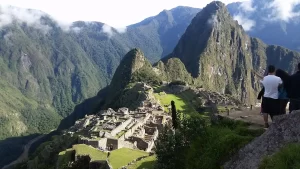
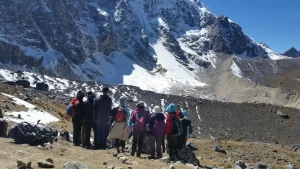
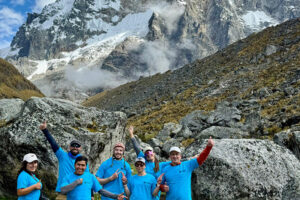
Some spots near Cusco sit at elevations that genuinely humble people. The Sacred Valley tends to be kinder, lower than the city, a good place to ease in before committing to anything bigger. But head further out and the terrain changes its tone completely. Rainbow Mountain and Humantay Lake both demand something from you physically, and the altitude makes sure you feel every step of it.
A thermos packed the night before is worth more than it sounds. Cold starts, bumpy roads, that final stretch where the trail gets narrow and your lungs suddenly have opinions about the whole situation. Hot tea at that moment hits differently than it does at sea level. Pack it, bring it, drink it on the way up not just after.
One last thing before you head out
Altitude does not care how fit you are. Seriously. People who run marathons arrive in Cusco and spend the first afternoon horizontal. The city sits high enough on its own, and venturing further out adds layers the body wasn’t expecting.
None of this means you shouldn’t go. It just means show up with some patience built into the plan. Coca leaf tea won’t carry you up the mountain but it takes the edge off in ways that are hard to quantify until you’ve actually needed it at 4,500 meters with two hours of trail still ahead. Sleep well the night before. Drink water like it’s your job. Save the big meals and the celebratory drinks for when the hard days are behind you. The mountains here are worth every bit of the effort, just go in knowing what you’re signing up for.