
Exploring the Sacred Valley: A Guide to Peru’s Spiritual Heartland
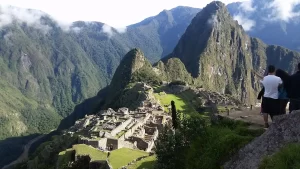
While most travelers rush through the Sacred Valley (Valle Sagrado) on their way to Machu Picchu, those who linger find that this region is the soul of the Peruvian Andes. Stretching from Pisac to Ollantaytambo, this fertile valley was the agricultural and spiritual backbone of the Inca Empire.
If you’re planning a trip in 2026, here is everything you need to know about exploring this majestic landscape.
1. The Must-Visit Stops
Each town in the valley has a unique personality. You’ll need the Boleto Turístico (Tourist Ticket) to enter most of these archaeological sites.
- Pisac: Known for its hilltop Inca fortress that rivals Machu Picchu in scale. Don’t miss the famous artisanal market in the town square—Sunday is the biggest day, but it’s active all week for textiles and silver jewelry.
- Ollantaytambo: This is a «living Inca town.» The original stone streets and water channels are still in use today. The massive fortress here was the site of one of the few successful Inca battles against the Spanish.
- Moray: Looking like a green Roman amphitheater, these concentric circular terraces were actually a sophisticated agricultural laboratory. Each level has a different microclimate, allowing the Incas to experiment with crops.
- Maras Salt Mines (Salineras): Thousands of small evaporation ponds have been used to harvest salt since pre-Inca times. The contrast of the white salt against the red Andean earth is a photographer’s dream.
- Chinchero: Famous for its «Rainbow Church» built over an Inca palace and its world-class weaving cooperatives. It’s the best place to learn how natural dyes are made from insects and plants.
2. Why Stay Here Instead of Cusco?
At roughly 2,800 meters (9,200 ft), the Sacred Valley is significantly lower than Cusco (3,400m). Many savvy travelers now head straight to the valley upon landing to acclimatize more gently, which helps prevent altitude sickness before heading to higher treks.
3. Adventure and Slow Travel
The valley isn’t just for history buffs. In 2026, adventure tourism is booming:
- Mountain Biking: Trails near Maras and Moray offer stunning views.
- Via Ferrata & Zip-lining: For the brave, you can climb the rock face in Pachar and even spend the night in a transparent «Skylodge» hanging over the valley.
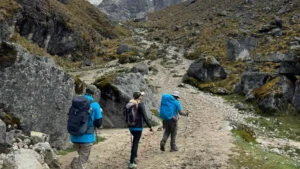
- Hiking: The trek from Chinchero down to Urquillos is a beautiful, mostly downhill walk through ancient Inca trails.
4. Pro-Tips for 2026
- Transport: Colectivos (shared vans) are the local way to go—they are cheap (3–8 Soles) and run constantly between towns. For more comfort, hire a private driver for the day.
- Weather: Pack layers! The Andean sun is intense during the day (18°C – 23°C), but temperatures drop sharply as soon as the sun goes down.
- Stay Connected: While most hotels have great Wi-Fi, the valley is a «dead zone» for some signals. Download your offline maps before heading out.
The Sacred Valley is more than a gateway—it’s a destination. Whether you’re standing in the middle of a circular terrace in Moray or sharing a chicha (corn beer) with a local in a dusty tavern, you’ll feel the weight of history in every breeze.