
How to Prepare for Hiking the Inca Trail starts with one simple idea: elite athletic ability isn’t required, but arriving prepared is. The Inca Trail combines long walking days, stone steps, changing weather, and high-altitude conditions, so smart training and thoughtful packing make the experience safer and more enjoyable. This guide covers practical fitness work, trekking gear, acclimatization habits, and a hiking checklist worth using before departure.
Why does Inca trail hiking preparation matter?
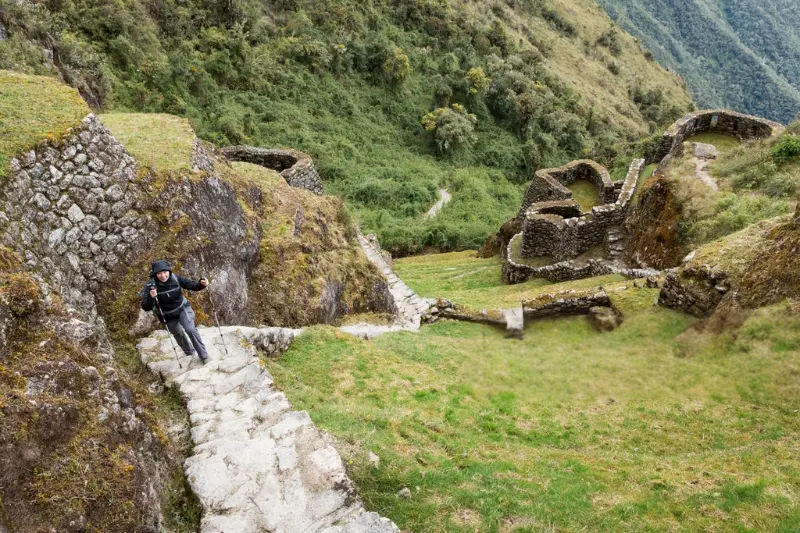
Inca trail hiking preparation matters because the route asks the body to do several things at once: climb, descend, balance on uneven stones, carry a daypack, and keep moving when the air feels thinner than it does at home. The classic route through the Historic Sanctuary of Machupicchu passes through areas such as Warmiwañuscca and continues toward Intipunku, the Sun Gate, before reaching Machu Picchu.
Good preparation makes it possible to enjoy the ruins, mountain views, and trail atmosphere instead of focusing only on sore legs or shortness of breath. It also lowers the chance that small problems, like blisters or a poorly fitted backpack, become trip-disrupting issues. Preparation works best as part of the adventure, not a chore to complete before the «real» trip begins.
Permits and access planning are part of preparation too. Peru’s Ministry of Culture manages official entry ticketing for Machu Picchu through a state platform, and it also announces sales processes for the Inka Road network and Machu Picchu, so reservations deserve treatment as an early planning step rather than a last-minute task. For a full picture of what paperwork is actually required, it helps to review Inca Trail Permits & Requirements for Machu Picchu well before booking flights.
Build trail fitness before you travel
The best answer to how to prepare for Inca Trail trekking is training for the trail that will actually be walked. That means mixing steady cardio, leg strength, balance, and practice hikes rather than relying on one type of workout. Those who already exercise regularly should focus on adapting fitness to long days on their feet. Those starting from a lower base should begin gradually and allow enough time to build consistency.
A practical training window is often eight to twelve weeks, depending on current fitness and how much hiking already happens regularly. Complicated equipment isn’t necessary. Stairs, hills, brisk walks, bodyweight strength exercises, and a loaded daypack can prepare the body well when used consistently.
A simple training progression
Use this as a flexible framework and adjust it for your body, schedule, and medical needs:
Weeks 1 to 4: Build the habit
- Walk briskly three or four times per week.
- Add one longer walk on the weekend.
- Practice basic strength moves like squats, step-ups, lunges, calf raises, and planks.
- Wear the shoes you plan to hike in so your feet begin adapting.
Weeks 5 to 8: Add hills, stairs, and pack weight
- Include one or two hill or stair sessions each week.
- Increase your weekend hike distance gradually.
- Carry a light daypack and slowly add weight until it feels similar to what you expect on the trail.
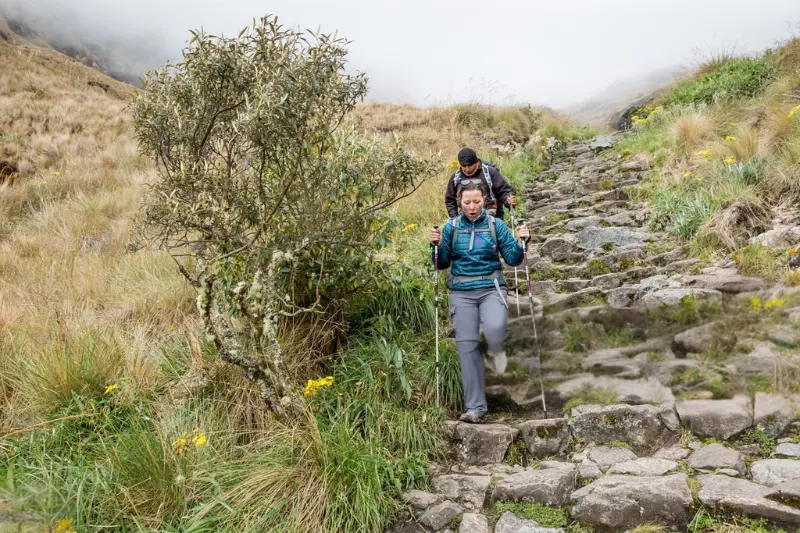
- Practice walking downhill with control, not speed.
The Weeks 9 to 12: Make training feel trail-specific
- Do back-to-back walking days when possible.
- Hike on uneven paths, gravel, or natural surfaces.
- Test your clothing layers, socks, hydration system, and snacks.
- Taper slightly during the final week so you arrive rested rather than exhausted.
Consistency remains the key factor. A few heroic workouts will not help as much as repeated, moderate sessions that train joints, lungs, feet, and mindset to handle long movement.
Train for climbs, descents, and stone steps
Many hikers focus on uphill fitness, but downhill strength matters just as much. Long descents can make knees, calves, and quads work hard, especially when the path includes irregular stone steps. Controlled step-downs, split squats, and slow downhill walks can help the legs prepare for that kind of effort.
Balance also matters on this terrain. The Inca Trail is not a smooth treadmill route; it can include wet stones, narrow sections, and uneven surfaces. Simple exercises such as single-leg stands, walking lunges, and careful hikes on natural terrain help train the stabilizing muscles around the ankles and hips.
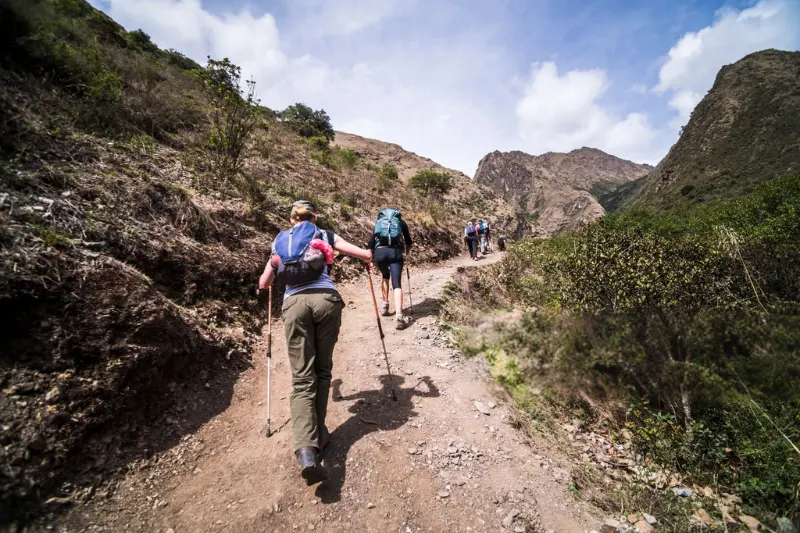
Anyone planning to use trekking poles should train with them before the trip. Poles can support rhythm and reduce some strain on descents, but only when the hiker is comfortable adjusting them and placing them naturally. The Inca Trail should never be the first place important gear gets tested.
Prepare for altitude with patience
Altitude ranks among the biggest reasons hiking preparation should go beyond basic fitness. Even strong hikers can feel the effects of elevation, especially when traveling quickly from low altitude to Cusco and beginning trekking soon after. Dead Woman’s Pass on the Inca Trail, one of the best-known high points on the route, is commonly listed at around 4,200 meters above sea level, and its steep, exposed final stretch is often where preparation gets tested the most.
The most practical strategy involves arriving early enough to acclimatize before the trek. Time spent walking gently, drinking water, eating simple meals, and sleeping well pays off. Turning the first day at altitude into a hard training day rarely ends well. The goal is letting the body adjust, not proving fitness levels.
Paying attention to how the body feels matters throughout this process. Headaches, unusual fatigue, nausea, dizziness, or poor sleep can signal the need to slow down and speak with a guide or a medical professional. A friendly pace is not a weakness on the Inca Trail; it is often the smartest way to keep the whole trip enjoyable.
What trekking gear should you bring?
The best trekking gear for the Inca Trail is lightweight, comfortable, tested, and suited to changing mountain weather. Items that help maintain dryness, protect the feet, manage temperature swings, and keep essentials close during the day matter most. Packing based on fear rarely helps; packing based on realistic use works better.
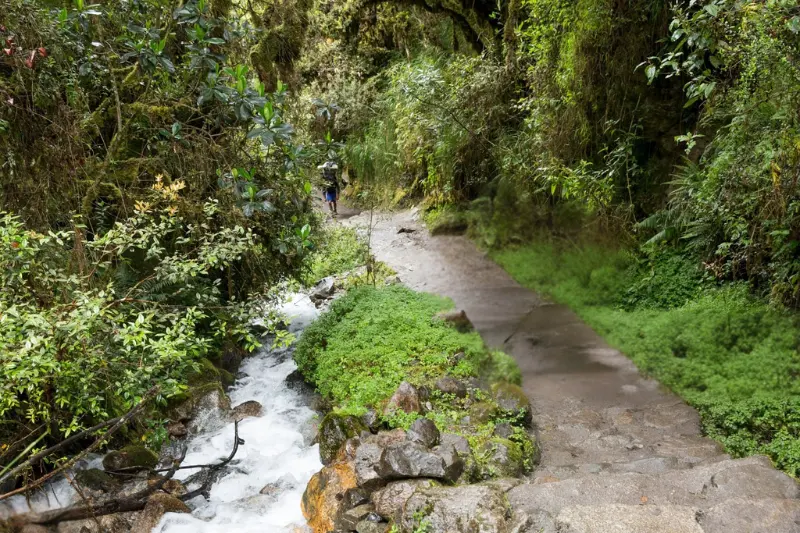
Footwear comes first. Broken-in hiking shoes or boots with good traction and enough support for uneven ground make the biggest difference. Pairing them with quality hiking socks and testing the combination on long walks before flying out helps avoid surprises. Shoes that cause hot spots during training need fixing early with different socks, insoles, lacing, or footwear altogether.
Clothing should work in layers throughout the trek. Mountain conditions can shift quickly, so a breathable base layer, warm mid-layer, and waterproof outer shell prove more useful than one bulky jacket. Quick-drying fabrics generally work better than cotton because they manage sweat and damp conditions more effectively.
Essential gear to test before the trip
- Daypack: Comfortable shoulder straps, a supportive hip belt, and enough room for water, layers, snacks, sunscreen, and personal items.
- Rain protection: A waterproof jacket and pack cover or dry bags.
- Sun protection: Hat, sunglasses, sunscreen, and lip balm with SPF.
- Hydration system: Bottles or a reservoir you can drink from easily while walking.
- Trekking poles: Helpful for many hikers, especially on descents and stairs.
- Headlamp: Useful around camp or during early starts.
- Personal care items: Blister supplies, basic first-aid items, medications, tissues, and hand sanitizer.
- Warm layers: Fleece, insulated jacket, gloves, and a beanie for cool mornings and evenings.
Packing light matters, but essential protection shouldn’t get cut. The goal centers on carrying what supports comfort and safety without turning the pack into a burden.
Use a hiking checklist before departure
A hiking checklist keeps small details from becoming stressful later in the process. Creating one early, then revising it after training hikes, tends to work well. Anything that doesn’t work at home probably won’t magically work better on the trail.
Pre-trip checklist
- Confirm your passport details match your booking documents.
- Review permit, tour, and Machu Picchu entry information with your operator.
- Break in footwear on multiple long walks.
- Test your daypack with realistic weight.
- Practice hiking in the socks and layers you plan to wear.
- Pack blister care and know how to use it.
- Bring cash in small amounts for tips or incidental purchases where appropriate.
- Check luggage weight rules if your operator provides duffel limits.
- Share your itinerary with someone at home.
- Confirm travel insurance details, including trekking or altitude-related coverage if needed.
A checklist isn’t just about packing. It also works as a way to reduce mental clutter, making it easier to begin the trek feeling organized and calm. It’s also worth reviewing What Regulations Should You Know Before Visiting the Inca Trail? at this stage, since some rules directly affect what can be carried, worn, or brought into the sanctuary.
Fuel, hydrate, and pace yourself wisely
Training involves more than muscles alone. Learning how the body responds to food and water during long activity matters just as much. During preparation hikes, testing snacks such as trail mix, fruit, energy bars, crackers, or other foods that sit well in the stomach pays off later. The best trail snack is the one that actually gets eaten when fatigue sets in. For a more complete view of what to bring and why, Essential Foods for the Inca Trail covers options suited specifically to multi-day trekking at altitude.
Hydration should stay steady rather than frantic throughout the day. Sipping regularly, especially during climbs and warm sections, helps, but overdoing it doesn’t. Heavy sweating calls for asking a guide about appropriate electrolyte options or bringing something already tested beforehand.
Pacing may be the most underrated skill on the trail. Starting slower than feels necessary, especially on climb-heavy days, tends to pay off. Short, consistent steps usually work better than fast bursts followed by long stops. The Inca Trail rewards patience above almost everything else.
Common mistakes to avoid
A few avoidable mistakes can make the trek harder than it needs to be. The good news is that most are easy to prevent with honest preparation.
- Training only on flat ground: Flat walks help, but they do not fully prepare your legs for climbs, descents, and steps.
- Wearing new boots on the trek: New footwear can cause blisters, pressure points, and unnecessary pain.
- Packing too much in your daypack: Extra weight feels heavier with every hour of walking.
- Ignoring recovery: Sleep, rest days, stretching, and easy walks all support better training.
- Rushing at altitude: Moving too fast early can make the day feel much harder than it needs to.
- Skipping rain and sun protection: Mountain weather can expose you to both in the same day.
Preparation doesn’t remove every challenge, and it shouldn’t. Part of the appeal of the Inca Trail comes from how earned it feels. The goal centers on meeting the challenge with confidence rather than discomfort that could have been avoided. It also helps to arrive with realistic expectations rather than secondhand stories, since Exploring the Myths of the Inca Trail clears up several misconceptions that tend to circulate among first-time trekkers.
Final takeaway
Learning how to prepare for hiking the Inca Trail really comes down to building readiness step by step. Training the legs and lungs, practicing with gear, respecting altitude, and using a hiking checklist to stay organized all contribute to a smoother experience. Part of that readiness also involves deciding how much support to bring along, a question explored further in Do you need a guide for the Inca Trail?, since the answer shapes both training priorities and trip logistics.
With thoughtful hiking preparation, less energy goes toward worrying about logistics, leaving more energy for appreciating one of the world’s most memorable trekking experiences, from its stone paths to the sanctuary’s living landscape, including the creatures described in Wildlife in Machu Picchu: Animals You Can See in the Sanctuary.