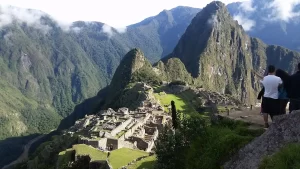

Peruvian Cuisine in Cusco reflects the city’s unique blend of ancient Inca heritage and living traditions, where the past and present coalesce in a vibrant tapestry of culture and food. As the historic heart of the Inca Empire and the starting point for countless adventures to Machu Picchu and the Sacred Valley, Cusco is also a top destination for food lovers eager to explore its rich culinary scene. The city’s gastronomy is deeply rooted in the use of indigenous ingredients such as quinoa, Andean potatoes, and corn—staples that have sustained local communities for centuries.
A Blend of Past and Present
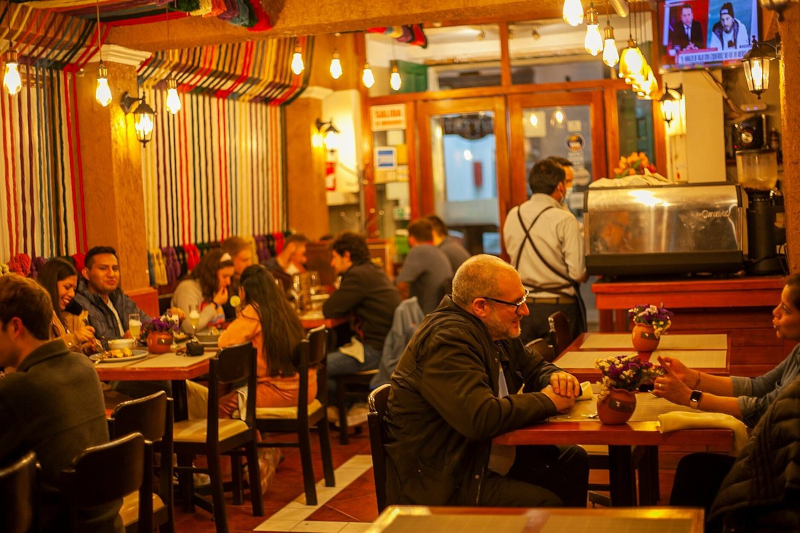
Peruvian Cuisine in Cusco is a fascinating blend of ancient traditions and modern innovations. This unique fusion is reflected in the use of traditional cooking techniques and ingredients that have been adapted to contemporary tastes. Dining in Cusco is not just about savoring delicious meals; it’s about experiencing a living history where every dish tells a story of cultural evolution. Restaurants and local eateries often showcase this blend by offering traditional dishes with a modern twist, ensuring that the culinary heritage of Cusco remains dynamic and evolving.
Indigenous Ingredients and Their Significance
Indigenous ingredients such as quinoa, corn, and a variety of potatoes are not just staples of the local diet but are also cultural symbols. These ingredients have been cultivated in the Andes for thousands of years and hold significant historical and nutritional value. Quinoa, once revered by the Incas as a sacred crop, continues to be a dietary staple due to its high protein content and versatility. Similarly, the myriad varieties of Andean potatoes are celebrated for their unique flavors and adaptability, making them a cornerstone of Cusco’s cuisine.
The Impact of Climate and Geography
Cusco’s unique climate and geography have played a crucial role in shaping its culinary traditions. Situated high in the Andes, the region’s diverse microclimates allow for the cultivation of a wide range of crops. This diversity is mirrored in the local cuisine, which varies from hearty soups designed to warm the body in cold weather to fresh salads that take advantage of the area’s abundant produce. The altitude also affects cooking techniques, requiring longer cooking times and influencing the texture and flavor of many dishes.
Must-Try Peruvian Dishes in Cusco
Cuy al Horno (Roasted Guinea Pig)
Cuy al horno is more than just a meal; it is a culinary experience deeply embedded in Peruvian culture. This dish, often reserved for special occasions, is a testament to the ingenuity and resourcefulness of Andean culinary traditions. The guinea pig, a common livestock in the Andes, is marinated with a variety of local spices and herbs before being roasted to perfection. The result is a dish with a crispy exterior and tender, flavorful meat that offers a taste of the region’s rich culinary heritage.
Lomo Saltado
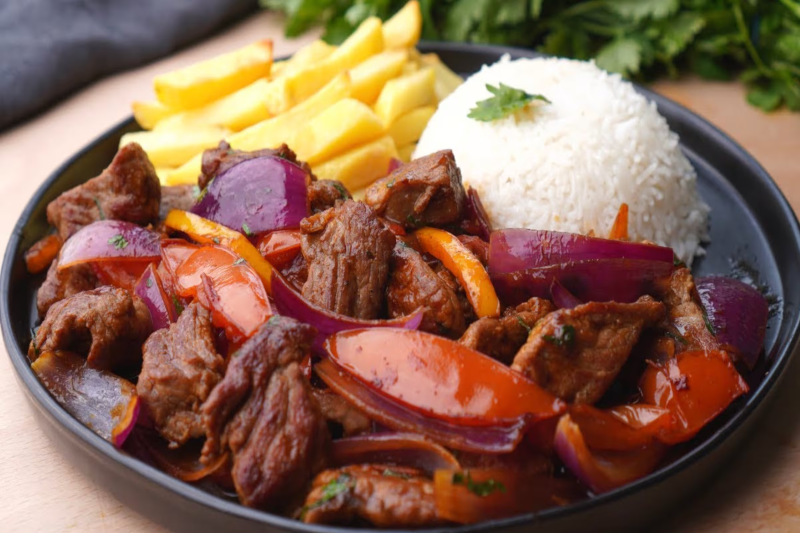
Lomo saltado is a quintessential Peruvian dish that perfectly illustrates the country’s diverse culinary influences. The dish is a result of the fusion of Peruvian ingredients and Chinese cooking techniques brought to Peru by immigrants. The beef is stir-fried with onions, tomatoes, and a blend of spices, creating a savory and aromatic dish that is both comforting and satisfying. The addition of rice and French fries reflects the dish’s multicultural roots, making it a beloved staple among locals and visitors alike.
Quinoa Soup
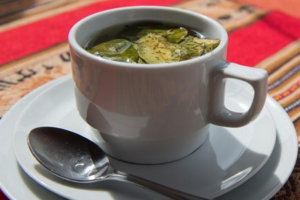
Quinoa soup is a nourishing dish that captures the essence of Andean cooking. This soup is not only delicious but also highly nutritious, making it an ideal choice for travelers acclimating to Cusco’s high altitude. In the Andes, it is often complemented with coca leaves or coca tea, traditionally used to help ease altitude-related discomfort. The soup is typically made with quinoa, vegetables, and sometimes chicken, simmered with herbs and spices to create a flavorful and hearty meal. Its warming qualities and wholesome ingredients offer comfort and sustenance, embodying the spirit of Andean hospitality.
Ají de Gallina
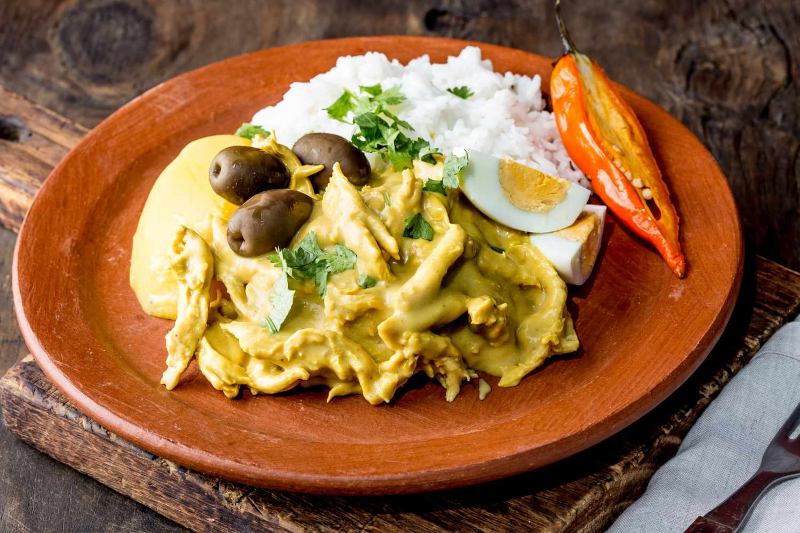
Ají de gallina is a creamy chicken stew that is a favorite among Peruvians. The dish is made by cooking shredded chicken in a rich sauce of ají amarillo (yellow chili peppers), milk, bread, and cheese. The result is a flavorful and mildly spicy dish that is often served with rice and boiled potatoes. Ají de gallina showcases the use of native Peruvian ingredients, highlighting the country’s diverse culinary heritage.
Papa a la Huancaína
Papa a la huancaína is a simple yet flavorful dish that originates from the Huancayo region. It features boiled potatoes covered in a creamy, spicy sauce made from ají amarillo, cheese, and evaporated milk. The dish is often garnished with olives and hard-boiled eggs, adding a delightful contrast of flavors and textures. Papa a la huancaína is typically served as an appetizer, offering a delicious introduction to Peruvian cuisine.
Local Flavors and Ingredients
Andean Potatoes
The Andes are home to thousands of potato varieties, each with unique characteristics that contribute to the diversity of Peruvian cuisine. In Cusco, these potatoes are used in a variety of dishes, from hearty stews like «carapulcra» to simple boiled potatoes served with spicy sauces. The rich soil and diverse climates of the Andes allow for the cultivation of potatoes with varying flavors, colors, and textures, making them a versatile ingredient in local cooking. Exploring the different types of Andean potatoes is akin to taking a journey through the region’s agricultural history.
Quinoa
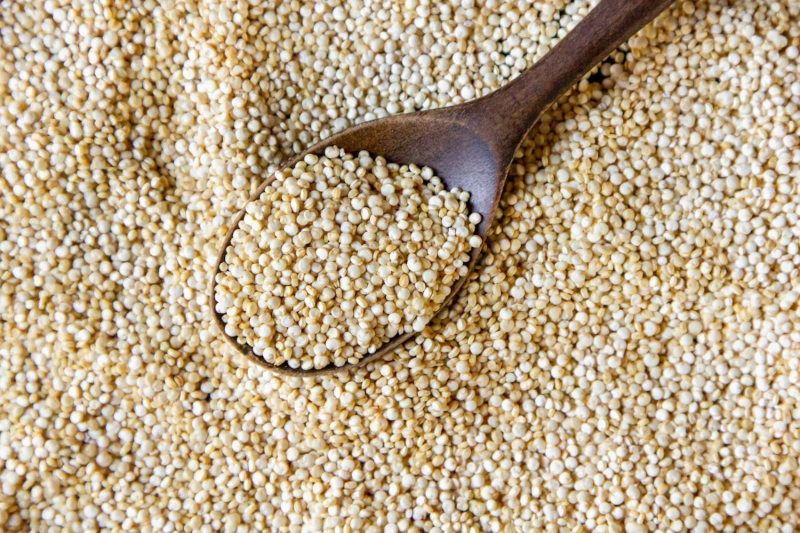
Quinoa is more than just a grain in Cusco; it is a symbol of cultural heritage and a vital component of the local diet. Revered for its nutritional benefits, quinoa is high in protein, fiber, and essential amino acids, making it a powerhouse of nutrients. In Cusco, quinoa is used in an array of dishes, from soups and salads to desserts. Its versatility and health benefits have made it a popular choice for both locals and tourists seeking a nutritious and satisfying meal.
Corn
Peruvian corn, known for its large kernels and sweet taste, plays a significant role in the culinary traditions of Cusco. This staple ingredient is used in a variety of dishes, such as «humitas» (corn tamales) and «choclo con queso» (corn with cheese). The unique flavor and texture of Peruvian corn make it a favorite among locals and visitors, offering a taste of the Andean countryside with every bite. In Cusco, corn is celebrated for its versatility and ability to complement a wide range of flavors.
Kiwicha (Amaranth)
Kiwicha, also known as amaranth, is a lesser-known but equally significant grain in Peruvian cuisine. Like quinoa, kiwicha is celebrated for its nutritional properties and is often used in breakfast dishes, snacks, and desserts. Its mild, nutty flavor makes it a versatile ingredient, and it is often combined with fruits, nuts, and honey to create delicious and healthy treats. The cultivation and use of kiwicha reflect the importance of traditional grains in the Andean diet.
Tarwi (Lupin Beans)
Tarwi, or lupin beans, is another ancient crop that has been rediscovered for its nutritional benefits. These beans are rich in protein and fiber, making them a valuable addition to the diet of Cusco’s inhabitants. Tarwi is often used in stews and salads, providing a unique flavor and texture that complements other Andean ingredients. The resurgence of tarwi in modern cuisine highlights the ongoing appreciation for traditional foods and their role in contemporary diets.
Dining Experiences in Cusco
Cusco is a city that offers an array of dining experiences, each providing a unique perspective on the rich culinary traditions of the Andes. From bustling street food stalls to elegant upscale restaurants, Cusco’s dining scene caters to all tastes and preferences, making it a gastronomic paradise for visitors. The city’s culinary offerings are as diverse as its landscapes, with each establishment presenting a different facet of Peruvian cuisine.
Street Food Delights
For those who love to explore local flavors, Cusco’s street food scene is a must-visit. Vendors line the streets, offering a variety of snacks and small dishes that are perfect for on-the-go meals. From «anticuchos» (grilled meat skewers) to «emoliente» (a warm herbal drink), street food in Cusco provides an authentic taste of the city’s vibrant culinary culture. Sampling these delights is an excellent way to experience the local way of life and discover hidden gems that might not be found in traditional restaurants.
Market Adventures
Cusco’s bustling markets are a treasure trove of fresh produce, artisanal products, and local delicacies. Markets like San Pedro offer an immersive experience where visitors can see and taste the ingredients that form the backbone of Peruvian cuisine. Here, you can sample «chicharrones» (fried pork), «ceviche» (fresh fish marinated in citrus juice), and «tamales» (corn dough filled with meat or cheese), among other local favorites. Exploring these markets allows for a deeper understanding of the region’s culinary practices and the importance of fresh, locally-sourced ingredients.
Fine Dining and Modern Cuisine
Cusco’s fine dining scene is a testament to the city’s evolving culinary landscape, where traditional recipes meet modern techniques. Upscale restaurants offer gourmet interpretations of classic Peruvian dishes, often using innovative methods to enhance flavors and presentation. Chefs in these establishments are committed to celebrating Cusco’s culinary heritage while pushing the boundaries of creativity. Dining at these venues provides an opportunity to indulge in exquisite dishes that reflect both the past and the future of Peruvian cuisine.
Culinary Workshops and Cooking Classes
For those interested in a more hands-on experience, Cusco offers a variety of culinary workshops and cooking classes. These classes provide an opportunity to learn about traditional cooking techniques and ingredients firsthand. Participants can try their hand at making dishes like «rocoto relleno» (stuffed peppers) or «arroz con pato» (duck with rice), guided by experienced local chefs. Such experiences not only enhance your appreciation for Peruvian cuisine but also equip you with the skills to recreate these flavors at home.
Pairing Meals with Peruvian Pisco
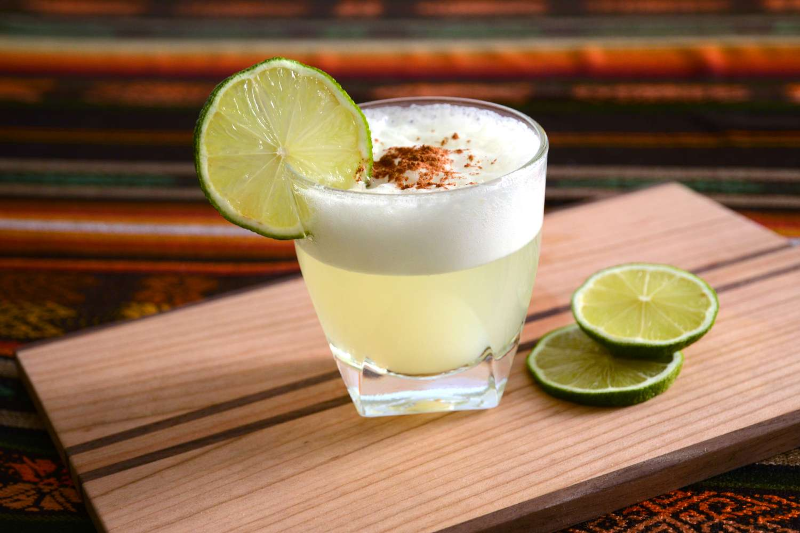
No culinary journey in Cusco would be complete without sampling the region’s famous spirit, Pisco. Many restaurants and bars offer Pisco tastings and pairings, allowing visitors to explore the nuances of this traditional Peruvian brandy. Whether enjoyed in a classic «Pisco Sour» or sipped neat, Pisco adds an extra layer of authenticity to the dining experience. Learning about the production and history of Pisco provides insight into another aspect of Peru’s rich cultural heritage.
The Influence of Cultural Heritage
Peruvian cuisine in Cusco is a living testament to the region’s rich cultural heritage. The food is not merely sustenance but a medium through which stories of ancient civilizations, migrations, and cultural exchanges are shared. Each dish reflects a blend of influences, showcasing the adaptability and resilience of Andean culinary traditions. Through cultural experiences such as visiting local markets, participating in traditional cooking classes, and sharing meals with local families, visitors gain a deeper understanding of Cusco’s history and the diverse cultural tapestry that has shaped its cuisine.
The Inca Legacy
The influence of the Inca Empire is evident in many aspects of Cusco’s cuisine. The Incas were master agriculturalists, and their innovative farming techniques allowed for the cultivation of a wide range of crops, many of which are still staples in the local diet today. The use of terrace farming and advanced irrigation methods ensured a steady supply of ingredients like potatoes, quinoa, and corn. These practices not only sustained the Inca population but also laid the foundation for the region’s enduring culinary traditions.
Spanish Influences and Mestizo Cuisine
The arrival of the Spanish in the 16th century introduced new ingredients and cooking techniques to the region, leading to the development of mestizo cuisine—a fusion of indigenous and European elements. This blend of cultures is evident in dishes like «ají de gallina,» where European ingredients such as milk and cheese are combined with native Peruvian spices. The mestizo influence is a testament to the region’s ability to adapt and integrate new culinary elements while preserving its cultural identity.
Preserving Culinary Traditions
In Cusco, there is a strong commitment to preserving culinary traditions and passing them on to future generations. Local chefs and communities are dedicated to maintaining the authenticity of traditional recipes, using indigenous ingredients and methods that have been handed down through the ages. Initiatives such as culinary festivals, workshops, and educational programs aim to celebrate and promote the region’s rich gastronomic heritage. These efforts ensure that the legacy of Peruvian cuisine continues to thrive, inspiring both locals and visitors alike.
The Role of Festivals and Celebrations
Festivals and celebrations play a significant role in the preservation and promotion of Cusco’s culinary traditions. Events like Inti Raymi and Semana Santa provide opportunities for locals and tourists to experience traditional dishes and cooking methods in a festive setting. These celebrations often feature food stalls and communal meals, showcasing the diversity and richness of Andean cuisine. Participating in these events offers a glimpse into the cultural significance of food in Cusco and reinforces the connection between culinary traditions and cultural identity.
The Influence of Globalization
While Cusco remains deeply rooted in its culinary heritage, it is also open to global influences that have enriched its food scene. The influx of international tourists has led to the introduction of new flavors and techniques, resulting in a dynamic and ever-evolving culinary landscape. Local chefs are increasingly experimenting with global ingredients and fusion cuisine, creating innovative dishes that appeal to a wide range of palates. This openness to global influences ensures that Cusco’s culinary scene remains vibrant and relevant in the modern world.
Conclusion
Cusco’s culinary landscape is a vibrant tapestry of flavors and traditions that capture the essence of Peruvian culture. From the hearty dishes rooted in ancestral recipes to the innovative creations of modern chefs, the food of Cusco offers a journey through history and tradition. Whether you’re a seasoned traveler or a curious newcomer, the must-try dishes and local flavors of Cusco are sure to delight and inspire. By exploring the region’s rich culinary heritage, visitors are invited to experience the warmth and hospitality of the Andean people and to savor the richness of a cuisine that has stood the test of time.