
For anyone asking «is the Inca Trail closed,» the practical answer for travel planning is yes: tourist access to the Machu Picchu Inca Trail has been temporarily suspended from Wednesday, August 19, 2026, while authorities respond to landslides and weather-related damage.
The current assessment window runs through August 22, 2026, but travelers should treat reopening as conditional until official channels confirm safe access. This update explains what happened, what dates matter, and what to do if a trek gets affected.
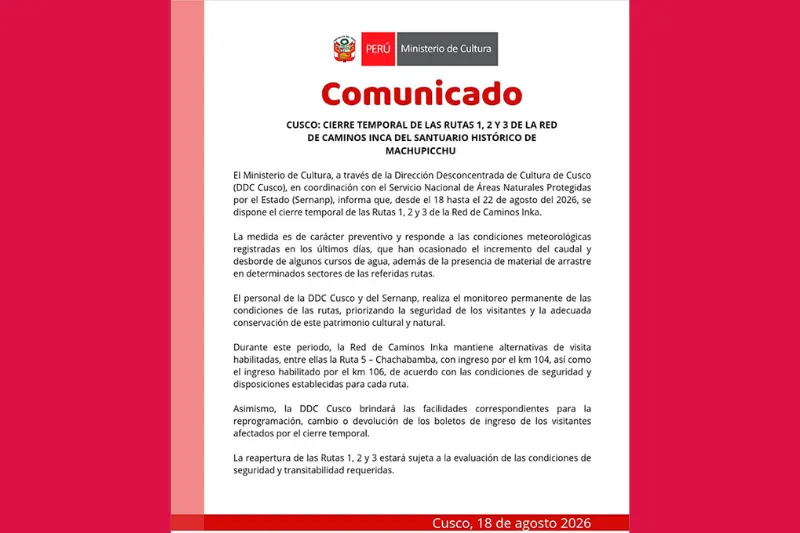
Is the Inca Trail closed right now?
Yes. According to current Inca Trail news from Peru’s state news agency, the Decentralized Directorate of Culture in Cusco ordered a temporary suspension of tourist access to the Machu Picchu Inca Trail because heavy rains caused landslides and damage in multiple areas of the route. The suspension took effect on Wednesday, August 19, 2026, and safety assessments are being carried out through August 22, 2026.
This does not mean every Peru itinerary must be canceled, but it does mean travelers should not assume their Inca Trail permit, trek departure, campsite plan, or arrival route to Machu Picchu will operate as scheduled. The closure is a safety measure, not a routine booking change. Travelers already in Cusco should contact their licensed operator before heading to the trailhead.
What happened on the Inca Trail
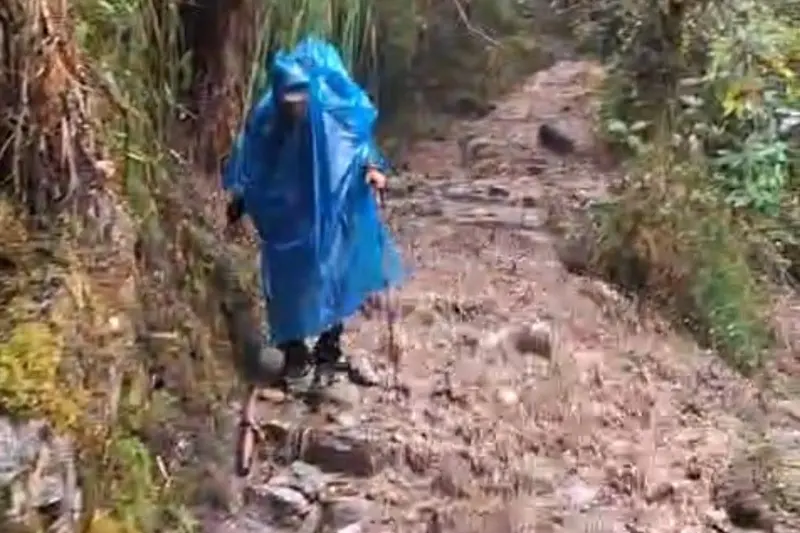
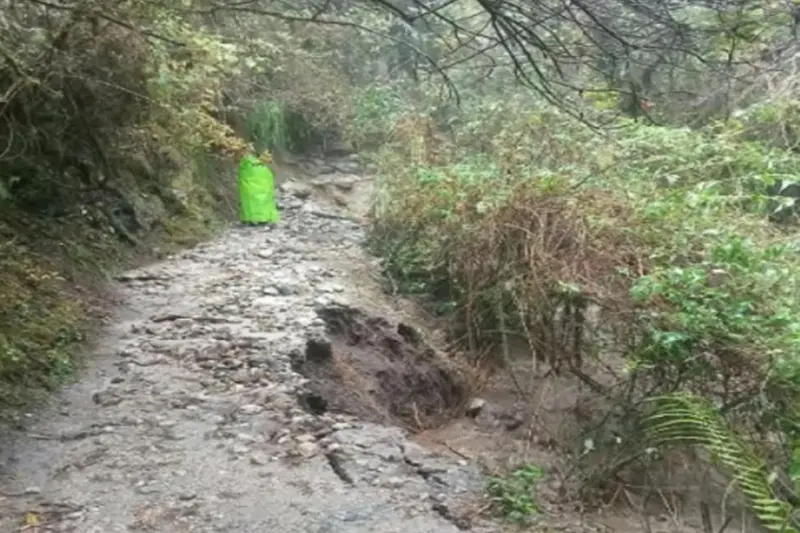
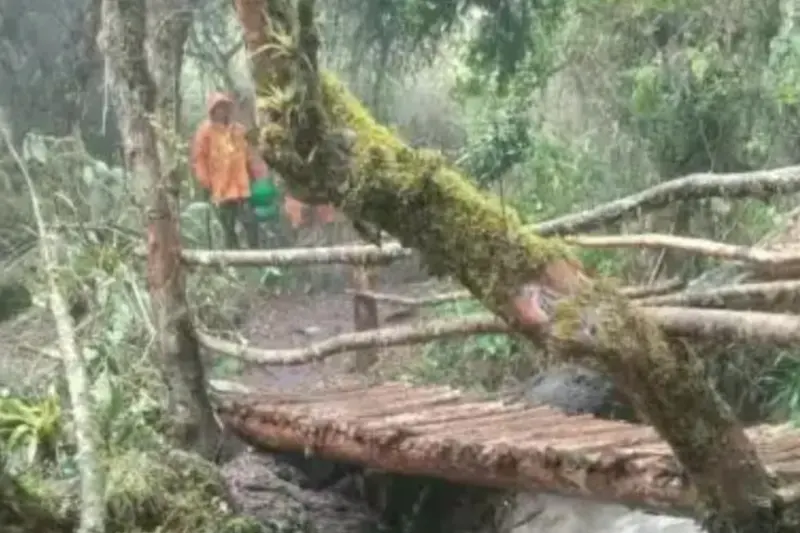
Heavy rainfall began affecting areas of the Inca Trail network leading to Machu Picchu on Monday night, August 17, 2026. Authorities reported landslides, swollen streams, flooding in camping areas, damaged footbridges, collapsed restroom facilities, and soil erosion in several sectors. These conditions create obvious risks for hikers, guides, porters, rescue teams, and conservation staff alike.
The reported affected areas include well-known trail sectors such as Llulluchapampa, Ayapata, Paqaymayu Alto, Phuyupatamarka, and Wiñaywayna. For anyone familiar with the Classic Inca Trail, those names matter because they sit along or near the trekking corridor and camping logistics that make the route possible. This section of the trail lies not far from Dead Woman’s Pass on the Inca Trail, one of the most demanding parts of the route, which makes stable infrastructure along that corridor especially important for hiker safety.
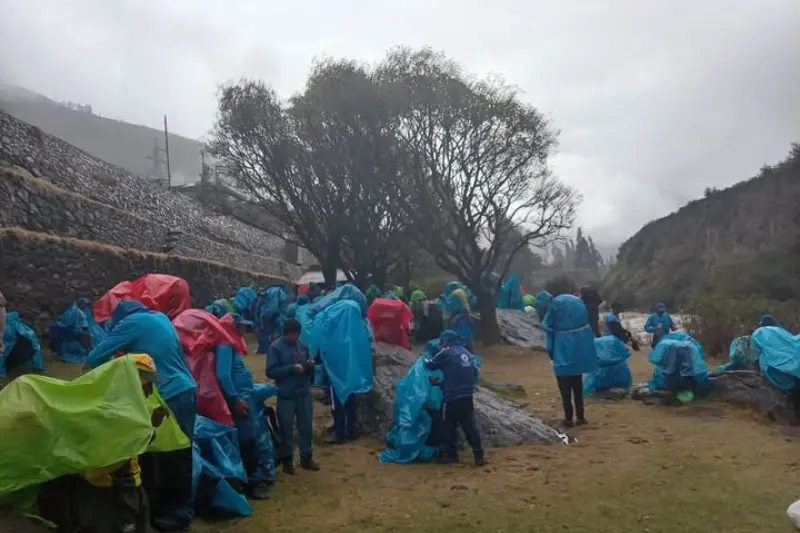
When infrastructure, drainage, campsites, or bridge access is compromised, the issue goes beyond comfort; it becomes a question of whether groups can move safely and whether emergency response can function. Authorities also indicated that visitors who had entered the trail were being returned, and alternative exit or movement options were being evaluated via kilometer 104 at Chachabamba and kilometer 106 at Choquesuysuy. Those alternatives depend on weather and safety conditions, so travelers should not attempt to self-route around closures.
The dates travelers need to know
The most important date is August 19, 2026, when the temporary suspension took effect. Second key date is August 22, 2026, because authorities said opening alternative routes would be subject to assessment of weather and safety conditions through that date. In plain terms, the Inca Trail stays closed during this emergency period, and reopening depends on the outcome of the safety review.
This is why the question «when is the Inca Trail closed» needs two answers. First, the trail is normally closed every February for annual conservation and maintenance. Second, it can also close temporarily at other times when weather, landslides, route damage, or safety concerns make access unsafe; the August 2026 suspension is one of those temporary emergency closures.
What should you do if your trek is scheduled before August 22?
Anyone with a trek scheduled between August 19 and August 22, 2026, should assume the departure may be suspended, rerouted, rescheduled, or refunded depending on official instructions and operator policies. Traveling to the trailhead expecting to negotiate entry on arrival is not a workable plan. Trail access is controlled, and safety decisions are made by the authorities managing the cultural and natural protected areas.
Use this quick checklist before making any changes:
- Contact your licensed tour operator first. Ask whether your exact departure date is canceled, pending, or being moved.
- Request written confirmation. Get the status of your Inca Trail permit, Machu Picchu entry, train tickets, hotel bookings, and any transfer arrangements.
- Ask about official options. Authorities indicated that rescheduling or refunds may apply if adverse conditions continue, but details can depend on the type of ticket or permit involved.
- Avoid unofficial workarounds. If a route is closed for landslides, a «local shortcut» is not a safe substitute.
- Keep your Cusco plans flexible. Weather-related closures can shift quickly, and the best alternative may depend on train availability, Machu Picchu ticket availability, and road conditions.
Travelers who booked through a third-party agency should ask whether that agency is the operating company or a reseller. In a closure situation, the party that can actually coordinate permit changes, guide assignments, transportation, and communication with local authorities is the one that matters most. This is also where the value of professional support becomes clear, which is worth weighing against the question raised in Do you need a guide for the Inca Trail?, especially during unpredictable conditions like this one.
Your Machu Picchu trip may still have options
A closed Inca Trail does not automatically mean Machu Picchu becomes unavailable by every route. However, it does mean a specific trek-to-Machu-Picchu itinerary gets disrupted, and each travel component needs its own verification. The official suspension described in the current update refers to tourist access to the Machu Picchu Inca Trail, while alternative routes and other access arrangements require their own confirmation.
Depending on conditions and availability, an operator may discuss options such as shifting dates, using a train-based Machu Picchu visit, considering a different trek, or waiting for the next official update. The right choice depends on the travel window, fitness goals, refund terms, and whether Machu Picchu entry tickets are already secured. Anyone unsure about what documentation stays valid through a reschedule should also review Inca Trail Permits & Requirements for Machu Picchu, since permit rules can affect how flexible a new date can be.
Travelers with only one or two spare days may find a train-based visit more realistic than trying to rebuild a full trek at the last minute. Those with a longer itinerary may preserve more of the original experience through rescheduling instead. Either way, decisions should rest on confirmed access, not rumors in hotel lobbies or social media threads.
When is the Inca Trail closed each year?
The Inca Trail is normally closed throughout February for annual maintenance, conservation work, and route preparation. That yearly closure stands separate from temporary safety suspensions caused by landslides, heavy rain, infrastructure damage, or emergency conditions.
For travelers, this distinction matters. February is predictable: it’s generally something people plan around before booking flights. Emergency closures work differently because they can happen during the operating season and may affect people who already have permits, guides, hotels, and trains arranged.
Anyone researching «when is the Inca Trail closed» for a future trip should build their plan around three layers of timing:
- Annual closure: February is the standard month to avoid for Inca Trail trekking.
- Rainy-season risk: Weather can affect trail conditions, especially when rainfall is intense.
- Real-time official updates: Even in popular trekking months, authorities may suspend access if safety is compromised.
This approach gives a more realistic plan than simply asking whether permits are available. A permit is essential, but safe trail conditions are what allow the trek to actually operate. It also helps to know what the regulated area actually involves before planning around it, which is covered in more detail in What Regulations Should You Know Before Visiting the Inca Trail?.
How to monitor reliable Inca Trail news
In a fast-changing situation, reliable Inca Trail news should come from official or closely sourced channels. Peru’s Ministry of Culture, the Decentralized Directorate of Culture in Cusco, SERNANP, licensed operators, and official Machu Picchu communications take priority. Peru’s state news agency is also useful when it reports statements from those authorities directly.
Screenshots, forwarded messages, and posts without a date deserve extra caution. A closure notice from March, July, or a previous year may look urgent but have no bearing on a trip today. Misinformation tends to spread fastest during emergencies, which is part of why understanding Exploring the Myths of the Inca Trail in calmer times makes it easier to spot exaggerated or outdated claims once conditions actually change.
Checking the publication date, the affected route, and whether the notice applies to the Classic Inca Trail, the Short Inca Trail, a specific segment, a campsite, or the Machu Picchu citadel itself always helps.
When contacting an operator, specific questions work best:
- What is the official status of my departure date?
- Is my route affected, or only a different trail segment?
- Are campsites, bridges, or exit routes impacted?
- If the trail reopens, will the itinerary remain the same?
- If the closure continues, what are my reschedule or refund options?
Clear questions help avoid vague answers and lead to better decisions faster.
Practical planning advice for affected travelers
Travelers already in Peru should keep their schedule flexible for the next few days. Locking in nonrefundable add-ons before an operator confirms the trail status rarely ends well. Those still at home with a trip coming soon should review travel insurance terms and gather booking documents before calling their agency.
Packing and planning as if wet conditions may continue makes sense even if the itinerary changes. Good rain gear, dry bags, a waterproof footwear strategy, and extra buffer time help whether the trek happens later, gets replaced by a train visit, or turns into more time in Cusco and the Sacred Valley. Extra days in the region can also be a good opportunity to plan meals around Essential Foods for the Inca Trail, since the same nutrition principles apply whether the trek happens this week or after a reschedule.
It’s also worth remembering that guides, porters, conservation staff, and emergency workers are affected too. A delayed trek may feel disappointing, but the priority stays on protecting people and preserving a historic route that depends on careful maintenance, along with the sanctuary that surrounds it, home to the species described in Wildlife in Machu Picchu: Animals You Can See in the Sanctuary.
The takeaway
So, is the Inca Trail closed? As of August 19, 2026, yes: tourist access to the Machu Picchu Inca Trail is temporarily suspended because of landslides and heavy-rain damage, with conditions being assessed through August 22, 2026. Reopening depends on official safety evaluations, so travelers should confirm directly with licensed operators and official channels before changing or continuing plans.
For anyone affected, acting quickly but calmly matters most. Get written confirmation, ask about rescheduling or refunds, and consider safe alternatives only when they are officially available. The Inca Trail is an extraordinary journey, but in the Andes, the best itinerary is always the one that respects both the landscape and the safety decisions made on the ground.