
Ausangate mountain does not appear on anyone’s radar by accident. Something pulls people there through research, usually after the more obvious Peru destinations have already been considered and set aside. A tab stays open for days while the mind quietly does math about what five days above 4,000 meters actually costs physically. No famous ruin at the end, no cafes, no signal for most of the circuit.
The Ausangate trek wraps around a 6,384 meter peak that Quechua communities have treated as a living deity for a very long time. Not a backdrop for tourism. The Ausangate mountain peru circuit stays entirely in high alpine terrain. Four passes above 4,600 meters. Nights cold enough to leave ice on anything outside the tent.
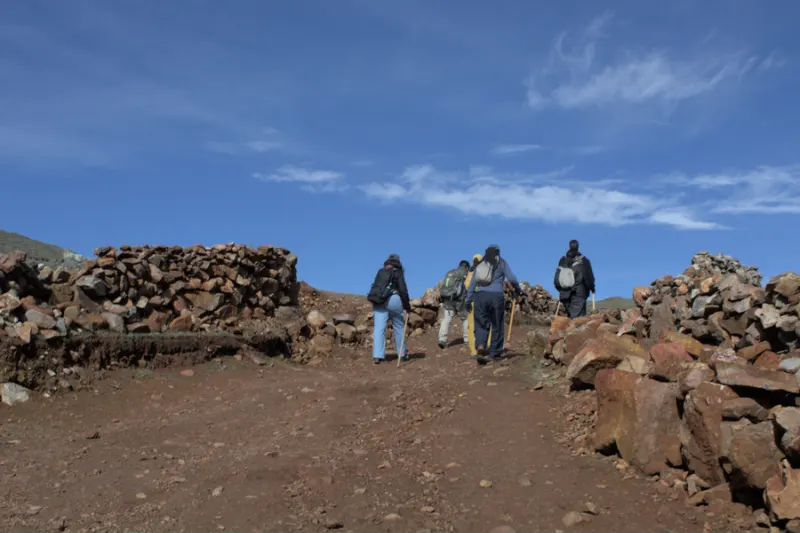
Understanding the Majesty of Ausangate Mountain
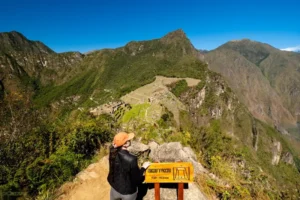
Most people visiting Peru never find the Cordillera Vilcanota on a map. Ausangate mountain at 6,384 meters anchors it. Roughly 70 kilometers entirely in high alpine terrain over five to six days, no descents built in, no recovery sections that other Andean routes quietly include without mentioning.
The Ausangate altitude is what the entire experience runs on. No camp below 4,000 meters. Every morning starts from physical debt the night did not clear. That accumulated deficit is what separates this from everything else in the region.
Among the snow capped mountains of Peru best peaks to visit, Ausangate is the one where tourist infrastructure does not exist. Alpaca herds outnumber trekking groups. The Quechua communities living around the mountain practice traditions that feel continuous rather than staged for visitors.
Why Choose This Trail?
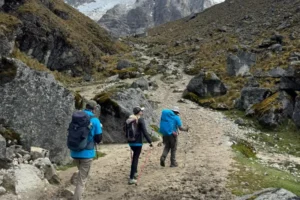
Thousands fill the Sacred Valley daily. This circuit does not. Most sections are more likely to produce an encounter with grazing alpacas than with another trekking group. Raw unfiltered Andes alongside authentic Andean cultural life that mass tourism has not reached. That combination is rare and getting rarer.
Evaluating the Challenge: How Hard is the Trek?
The Inca Trail peaks at 4,215 meters then drops into cloud forest. Recovery happens there. Ausangate has four passes above 4,600 meters with the highest at 5,200 meters and no such drop exists anywhere. Anyone who found the Inca Trail genuinely hard should sit with that difference before committing.
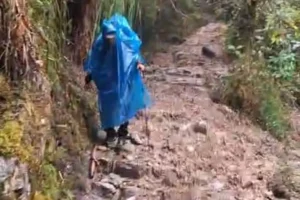
The path is non-technical. Ropes and harnesses stay home. But extreme elevation makes every step feel twice as strenuous as the same step at sea level. Distance numbers mislead people here in ways that matter when planning.
Sustained altitude without recovery is a completely different physical challenge from steep terrain alone. Both things are present on the Ausangate trek simultaneously.
Is Ausangate Harder Than the Inca Trail?
Dead Woman’s Pass sits at 4,215 meters then the Inca Trail drops into warmer cloud forest where the body starts recovering. Ausangate stays in high alpine tundra with four passes above 4,600 meters, colder nights, harsher weather, altitude that never lets up. Yes it is harder. The gap is not small.
Ausangate vs Salkantay Trek Difficulty
The salkantay trek vs ausangate trek comparison comes up constantly and the difference is more significant than most articles say. Two routes, two very different physical realities:
- Salkantay: crosses one major high pass at 4,600 meters then descends rapidly into lush humid lower-altitude jungle with only one truly freezing night at high elevation throughout the entire route.
- Ausangate: requires hiking over multiple passes above 4,800 meters with every single campsite sitting at or above 4,200 meters, sustained altitude, and consecutive sub-zero nights making this a far more grueling test of endurance.
Mastering the Elements: Weather and Seasons
Sunshine becomes a blizzard within hours in the Cordillera Vilcanota. Wind on exposed passes at 5,000 meters carries a cold that good gear only partially handles. No gradual buildup, no warning system, no reliable forecast. Getting the timing wrong is a safety problem, full stop.
The Best Time of Year for Trekking in Peru
May through September is the window. December through March should be avoided entirely because heavy snowfall closes passes and turns conditions genuinely dangerous. How the workable months break down:
- May and June: crystal clear skies right after rainy season with nights already dropping well below freezing as Andean winter begins, vibrant landscapes from recent rainfall.
- July and August: peak dry season with brilliant blue daytime skies and the coldest nights of the year, dry and stable trails throughout.
- September to October: shoulder season, temperatures begin warming slightly but afternoon shower frequency increases noticeably.
Conquering the Air: Altitude and Acclimatization
Half the available oxygen at sea level exists at 5,000 meters. That becomes physically real within the first hours of climbing toward Palomani Pass. Fitness does not change that. The Ausangate altitude ignores willpower. The body builds additional red blood cells at its own pace and nothing rushes that process.
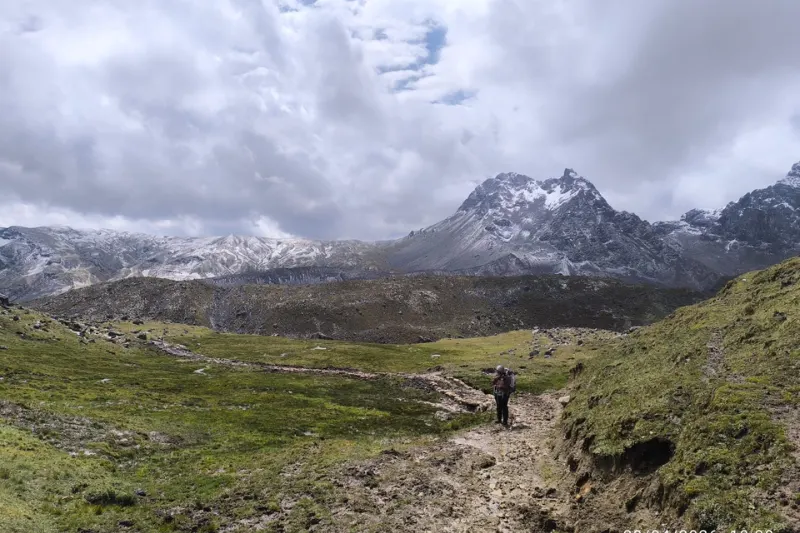
An Acclimatization Strategy for High Mountain Circuits
Three to four full days in Cusco or the Sacred Valley before starting is the minimum that works. Skipping it does not save time. It moves the problem onto the trail where options are limited. The strategy that actually produces results:
- Arrive early: spend a minimum of three to four full days in Cusco at 3,400 meters or the Sacred Valley at 2,800 meters before the trek starts.
- Climb high, sleep low: during acclimatization days take moderate hikes to slightly higher elevations and return to lower altitude to sleep each night.
- Gradual ascent: once on the trail a good Ausangate guide ensures walking happens at a slow measured pace, poco a poco is the mantra of the Andes and it applies here more than anywhere else.
How to Prevent Altitude Sickness in Cusco
Altitude sickness hits anyone regardless of age or fitness. Knowing how to manage it changes how the entire trip goes. Specific practices that actually help:
- Hydration is paramount: drink three to four liters of water daily because altitude dehydrates through respiration at a rate that surprises people until symptoms are already present.
- Embrace coca: coca leaf tea is what local communities have relied on for centuries, addressing headaches and fatigue at these elevations in ways standard medication does not consistently match.
- Eat lightly: digestion slows at altitude and heavy fatty meals add strain to a body already working hard just to breathe normally.
- Consult a doctor: speak to a medical professional about Acetazolamide before departure because it genuinely helps speed up acclimatization.
Gear Up: Preparing for the Extremes
No supply points, no emergency refuges, no roads within reach of most campsites. Everything comes in on the trekker or on mules. The packing list for this route is categorically different from what works on the Inca Trail or Salkantay.
Essential Packing List for Multi-Day High-Altitude Hiking
The essential tips for Ausangate trek adventure packing center on layering logic covering warm afternoon sun and minus fifteen Celsius within the same day. Cotton in any layer becomes a liability the moment it gets wet. Clothing requirements:
- Base layers: two to three sets of moisture-wicking merino wool tops and bottoms, cotton avoided entirely because it loses insulating capacity when wet.
- Insulation: a high-quality fleece jacket and a heavy-duty down puffer jacket for cold nights and early mornings throughout the circuit.
- Outer shell: a Gore-Tex or highly waterproof windproof jacket with matching rain pants for the sudden weather changes that define this environment.
- Footwear: completely broken-in waterproof hiking boots with excellent ankle support, plus camp shoes to let feet breathe at night after long days on the trail.
- Extremities: thick thermal trekking socks, waterproof gloves, a warm beanie, and a wide-brimmed sun hat for daytime UV exposure at altitude.
Gear and health essentials that change the experience significantly:
- Trekking poles saving significant knee strain on steep rocky descents that follow every high pass crossing on the circuit.
- Headlamp with extra batteries stored inside the sleeping bag because cold drains power dramatically faster than normal conditions anywhere else.
- Hydration system with a freezeproof mouthpiece because standard tubes freeze at temperatures completely normal on this route.
- SPF 50 sunscreen and UV-blocking sunglasses because UV radiation at 5,000 meters is significantly more intense than anything encountered at lower elevations.
Managing Extreme Cold While Camping in Peru
Minus ten to minus fifteen Celsius is normal on this circuit. Not exceptional. Normal. A four-season sleeping bag rated to at least minus fifteen combined with an insulated sleeping pad with an R-value of 4.0 or higher is what actually handles it. Filling a Nalgene bottle with boiling water, wrapping it in a spare sock, and placing it at the foot of the sleeping bag before bed is a trick most trekkers wish they knew before the first night rather than after it.
Trail Highlights: What You Will See
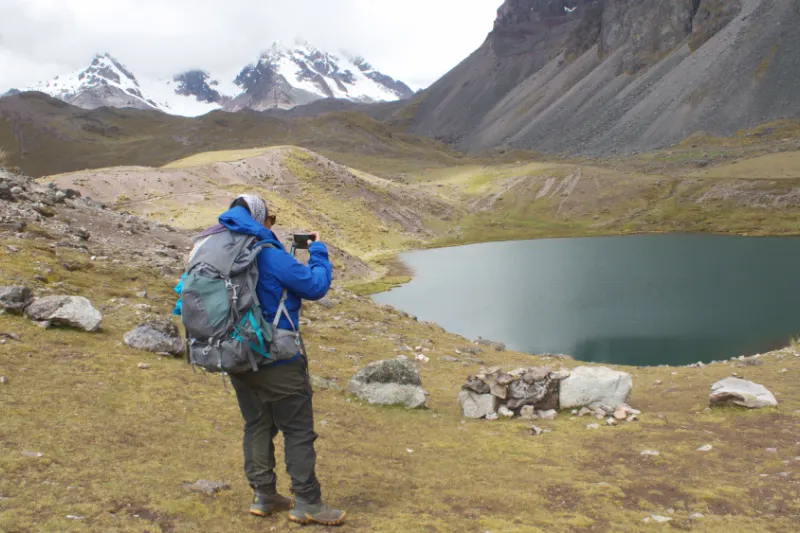
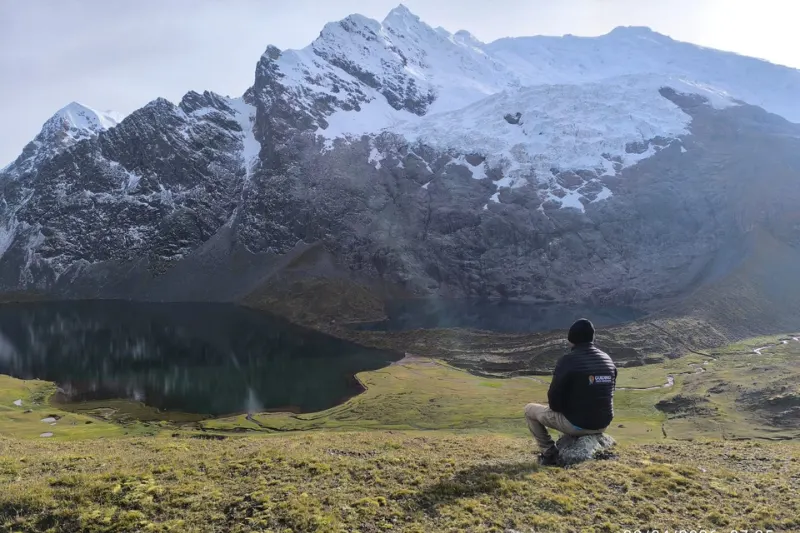
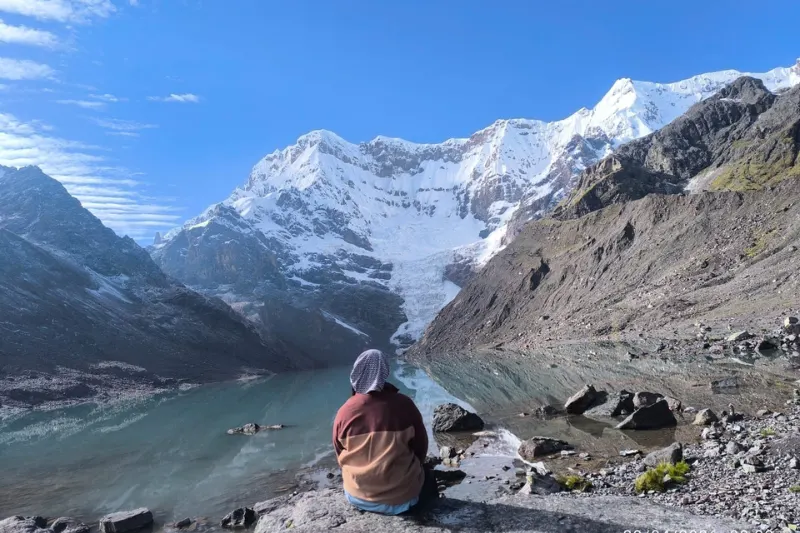
Puca Cocha sits tinted red by mineral sediment. Ausangate Cocha lies directly beneath the southern face of the peak, deep blue and large enough that glacier calving into it produces sounds audible from camp. Every day looks nothing like the previous one on the Ausangate trek and that consistency of surprise is genuinely hard to explain before someone experiences it.
The glacial lakes of the Cordillera Vilcanota carry colors that photographs consistently miss. Near the end of the circuit the Seven Lagoons ridge puts multiple turquoise and emerald pools in view simultaneously. People stop walking when they see it for the first time.
Photography, wildlife, and cultural encounters layer on top of the physical challenge throughout. That layering is what makes this more than just a hard walk at altitude.
Glacial Lakes of the Cordillera Vilcanota
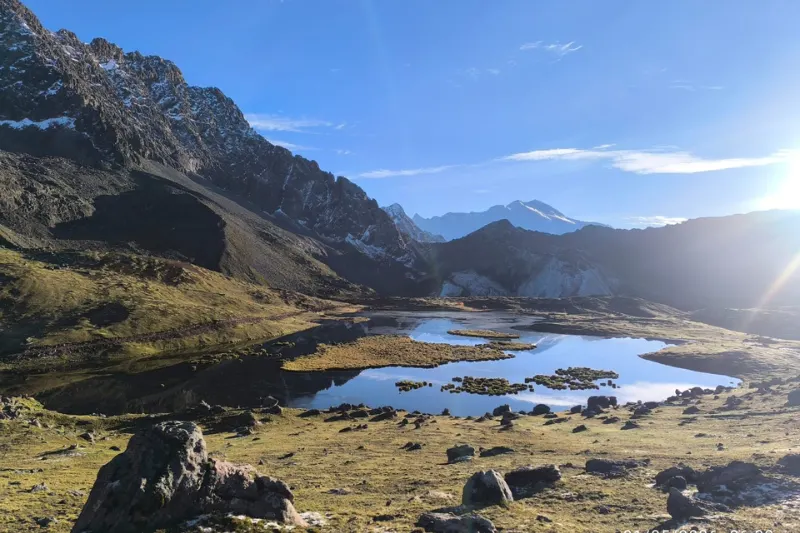
Colors that feel impossible at first glance define the alpine lakes formed from Ausangate glacier meltwater. Near the end of the circuit the Seven Lagoons ridge between Otorongo Macho and Otorongo Hembra puts multiple turquoise and emerald pools in view simultaneously. Morning is the window for photography before wind disturbs the water surface and kills the mountain reflections.
Best Photographic Spots for Seven Lagoons
The ridge separating Otorongo Macho and Otorongo Hembra puts multiple turquoise and emerald pools in a single frame with jagged snow-swept peaks as backdrop. Early morning before high-altitude winds pick up produces the clearest mountain reflections available anywhere on the circuit. That window closes faster than most people expect.
Visiting Vinicunca Rainbow Mountain via Ausangate Route
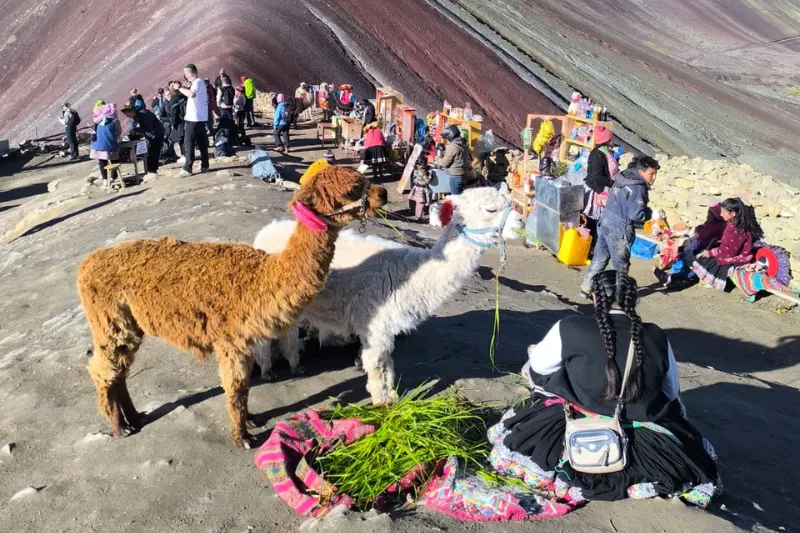
The standard Cusco day trip to Vinicunca Rainbow Mountain means a 3 AM departure and a viewpoint shared with hundreds of tour groups. The circuit approach via a spur trail on day three or four comes through a less visited valley and arrives before the buses from Cusco show up. That difference in experience is substantial and worth the extra day.
Medicinal Hot Springs of Upis and Pacchanta
The first day ends near the medicinal hot springs of Upis, rustic thermal water with a direct view of the Ausangate glacier. Later in the trek the village of Pacchanta offers the Pacchanta hot springs with slightly more developed facilities. Soaking in mineral-rich thermal water after the hardest sections addresses aching muscles in ways no amount of ibuprofen replicates.
Deep Dive: Culture and Ecosystems of the High Andes
Pacchanta and Upis involve encountering Quechua-speaking herders whose daily practice feels genuinely continuous with Inca-era tradition. Not preserved for visitors. Actually continuous. The Ausangate region is a living cultural landscape where ancient traditions are practiced daily by communities that tourism has not substantially reshaped.
The spiritual relationship with the mountain is active not historical. A K’intu, three perfect coca leaves offered toward the mountain before crossing a high pass, is standard practice for people who live here. Not a performance for visiting trekkers. How this landscape is actually understood by its residents.
The textiles produced here are internationally recognized and made with dyes from plants and minerals. Women spin alpaca wool into yarn while walking behind their herds in ways that have not changed substantially across centuries.
Quechua Community Traditions in the High Andes
Women in brightly colored traditional skirts spin alpaca wool into yarn while moving behind their herds. Asking Apu Ausangate for safe passage before crossing the high passes is how this landscape is understood by its residents. The communities living around Ausangate are among the most traditionally intact in Peru and daily life makes that clear immediately.
Identifying Andean Wildlife Like Condors and Vicuñas
Wildlife rewards attention throughout the entire circuit and three species stand out consistently:
- Vicuñas: the wild elegant ancestor of the alpaca with some of the finest most expensive wool in the world, often seen darting gracefully across the high plains in small groups.
- Andean condor: with a wingspan reaching up to 3.3 meters the condor rides thermal currents near the high mountain passes, watch for them gliding effortlessly above the peaks without appearing to flap.
- Vizcachas: small mammals resembling a cross between a rabbit and a chinchilla found sunning themselves on warm rocks in boulder fields along most sections of the route.
The Support System: Guides and Muleteers
Trail markings are sparse and in snowfall the path disappears within minutes. Unless extensive high-altitude wilderness survival experience exists, tackling this route alone is incredibly difficult in ways that only become obvious once actually on the trail. An experienced Ausangate guide is necessary rather than simply recommended.
A certified Ausangate guide monitors physical condition and oxygen levels, paces the group to prevent altitude sickness, and provides cultural context that transforms a hard walk into something legible. Mule support changes what the hiking physically feels like across multiple consecutive days at extreme elevation.
The economic impact of hiring local support teams is direct and meaningful for families in one of Peru’s most isolated environments. These arrieros are native to surrounding communities and trekking income represents one of their primary revenue streams.
The Importance of an Ausangate Guide
Without a guide the cultural dimension of the experience simply does not exist for visitors who do not speak Quechua. A certified ausangate guide monitors physical condition and oxygen levels, controls the group pace to prevent altitude sickness, and provides cultural context that transforms a hard walk into something legible and meaningful.
Hiring Local Muleteers and Horsemen for Gear
Crossing a 5,200 meter pass with a 15-kilogram pack is both dangerous and exhausting in ways that accumulate across multiple consecutive days at altitude. Local muleteers carrying tents, food, and sleeping bags between campsites change what the hiking physically feels like day to day. The economic impact of hiring arrieros from surrounding communities is direct and meaningful for families in one of Peru’s most economically isolated environments.
Solo Trekking vs. Guided Tours
Cell service is absent across ninety percent of the ausangate circuit. A satellite communicator is the only way to call for help if severe altitude sickness or injury occurs far from any road. Some experienced high-altitude backpackers consider this trek independently and the specific risks are worth knowing clearly before deciding.
Solo Trekking Safety Tips for the Andes
Stream water that looks perfectly clean is contaminated by grazing alpacas throughout the circuit. A high-quality filter and backup purification tablets are non-negotiable. Specific safety considerations for this route:
- Navigation: never rely solely on a phone app, bring a dedicated GPS device, a physical topographic map, and a compass, keeping electronics close to body heat at all times.
- Emergency communication: there is zero cell service on ninety percent of the Ausangate loop, carrying a satellite communicator like a Garmin inReach is critical for any solo attempt.
- Water purification: never drink directly from streams regardless of how clear they look, bring a high-quality filter and backup purification tablets throughout the entire circuit.
- Weather preparedness: know when to turn back because a snowstorm approaching a high pass makes descent safer than pushing forward into a whiteout regardless of how close the top feels.
- Acclimatize double: guided groups have emergency oxygen and horses for evacuation, solo trekkers have neither and must be perfectly acclimatized before stepping foot on the trail.
A Day-by-Day Look at the Classic Itinerary
Day one is the drive from Cusco to Tinqui followed by a gentle ascent through agricultural fields to the Upis campsite. The thermal baths at Upis beneath the glacier are the first day’s reward and a useful preview of what the Pacchanta hot springs offer later.
Day two crosses Arapa Pass at 4,850 meters and the landscape shifts from green plains to stark scree and ice. Cascading waterfalls and Puca Cocha, the red-tinted glacial lake, sit at the end of the descent.
Day three is the hardest day. Palomani Pass at 5,200 meters requires real effort and the Ausangate altitude on this day is present in every single step. The Vinicunca Rainbow Mountain tour adds a day here for those incorporating it.
Day four crosses Campa Pass at 5,050 meters before entering the valley with turquoise glacial lakes and the Seven Lagoons. The trail descends into Pacchanta where the Pacchanta hot springs offer mineral-rich thermal water that addresses aching muscles in ways medication simply does not replicate.
Respecting the Environment: Leave No Trace
Glaciers visible from every campsite are retreating and alpine tundra takes decades to recover from trampling. The Ausangate ecosystem is fragile in ways the physical scale does not suggest and leave no trace principles here are requirements rather than suggestions:
- Pack it in, pack it out: all trash including toilet paper and snack wrappers travels back to Cusco without exception on every day of the circuit.
- Stay on the trail: alpine tundra does not recover quickly and every shortcut compounds erosion that cannot be reversed for decades.
- Respect the water: all washing happens at least 200 feet from water sources to protect the supply that local communities and alpaca herds both depend on entirely.
Conclusion: A Journey of a Lifetime
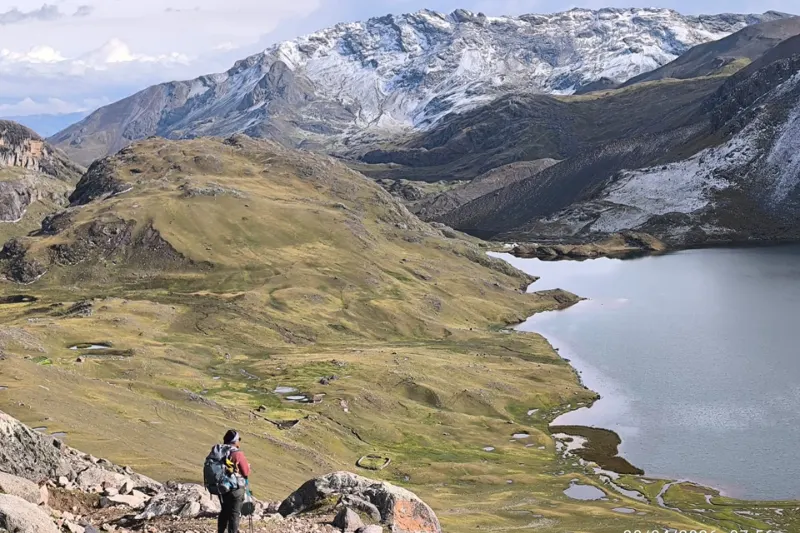
Cold, physically hard, oxygen-deprived, and far from anything that makes problems easier to solve when they arise. That combination is exactly what makes finishing the Ausangate trek feel different from other things done in the Andes. Not better necessarily. Just different in ways that stay with people.
From managing the Ausangate altitude across four passes to soaking in the Pacchanta hot springs after the hardest days, every part of the Ausangate mountain peru circuit earns its difficulty in full.
A good Ausangate guide, the right gear, real acclimatization, and an honest understanding of what the route requires turn that difficulty into something worth carrying long after coming home.