
Most comparisons of the salkantay vs inca trail are useless, bullet points side by side dressed up as advice. What actually matters is simpler than that. Two completely different trips ending at the same ruins, one planned eight months ahead, the other booked Tuesday for Friday.
Stone paths and dead emperors versus glaciers and altitude that floors people who thought they were fit. That’s the real comparison before any detail work starts. Everything else flows from knowing which of those two things someone actually wants.
The Classic Inca Trail Hike: Walking in the Footsteps of Emperors
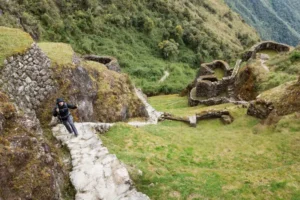
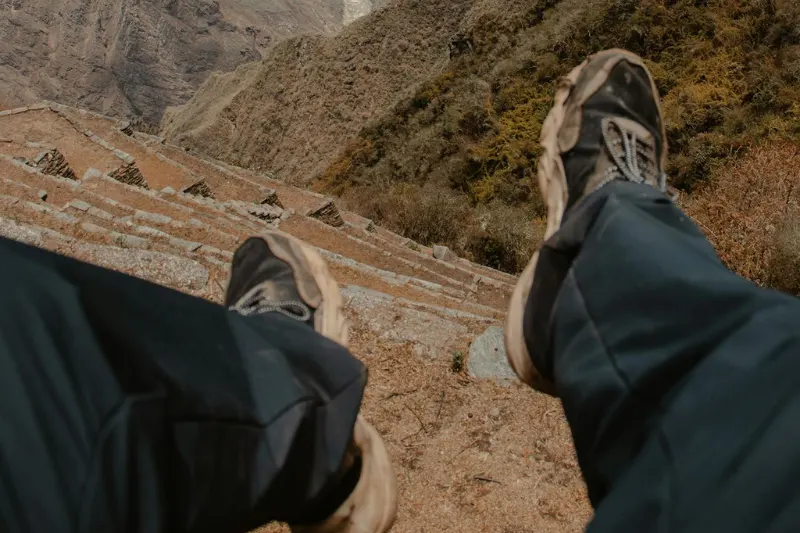
26 miles, four days, stone the Incas cut and placed 500 years ago still holding weight under modern boots. Not reconstructed, not recreated. The actual road, and that fact sits with people differently than any museum exhibit manages to. History underfoot rather than behind glass somewhere.
The Historical Significance
Ruins appear without announcement around corners. Llactapata, Runkurakay, Wiñay Wayna sitting above the Urubamba like it grew there naturally. None of those accessible without walking to them first. The exclusivity isn’t marketing, it’s structural, no bus route exists, no shortcut was ever built.
The Route and Its Challenges
Stone steps define the physical memory of the inca trail hike, original uneven ancient stone that knees still feel a week later in a specific way dirt trails never replicate. Day two brings Dead Woman’s Pass at 4,215 meters, Warmiwañusca in Quechua. Trained people find it hard. Undertrained people find it genuinely miserable, and the descent afterward is somehow worse than the climb up was.
The Grand Finale: The Sun Gate
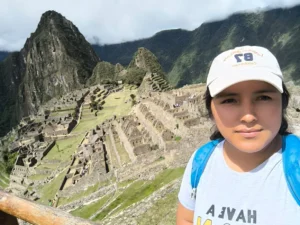
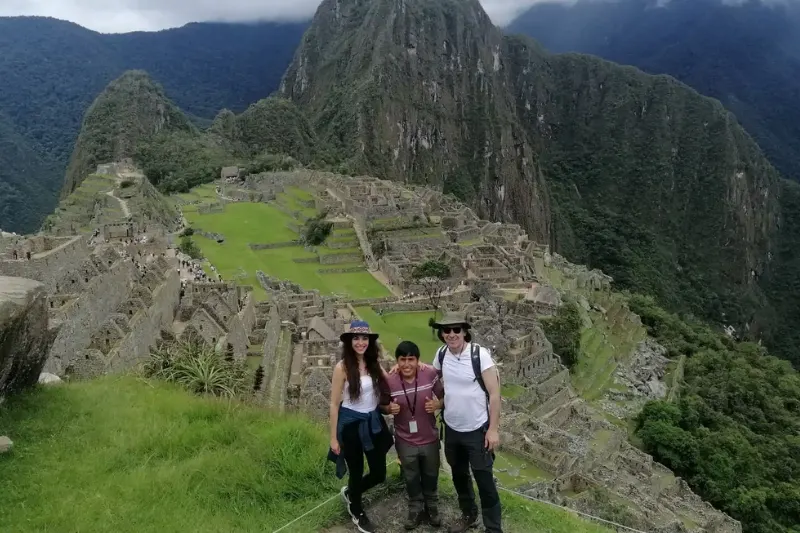
Walking into Machu Picchu through Inti Punku at dawn is why people choose this route over everything else available. Mist sitting over the citadel below, ruins materializing through cloud slowly rather than all at once. Bus arrivals from Aguas Calientes are perfectly fine and completely different from this.
The Salkantay Trek: A Journey Through Untamed Wilderness
46 miles over five days, National Geographic top 25 globally, named after a glaciated peak the Incas worshipped as a weather deity. Seeing it up close for the first time makes that reverence feel less like mythology and more like a reasonable conclusion drawn from standing next to something that size.
The Route and Its Highlights
Near Mollepata to start, manageable enough before the climb gets serious fast. Humantay Lake side hike appearing early, turquoise water against glacier walls creating the kind of view that stops people mid-sentence. Photographers plan entire trips specifically around that view and the photographs still don’t fully capture what it looks like in person.
Conquering the Salkantay Pass
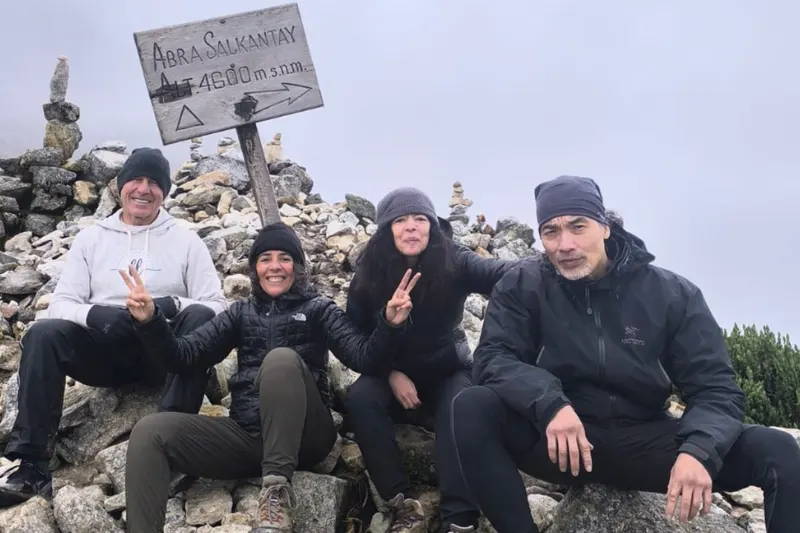
Salkantay pass elevation sits at 4,630 meters, the salkantay pass itself surrounded by jagged avalanche-prone glaciers that make everything feel appropriately small. Over 400 meters above Dead Woman’s Pass, and that gap isn’t marginal once lungs register the difference. Cold, exposed, the kind of place that recalibrates what the word altitude actually means.
Descending into the Jungle
Nobody prepares for how fast everything changes after the salkantay pass summit. Frozen and windblown in the morning, cloud forest appearing by afternoon, coffee plantations and passion fruit orchards on day four. Mosquitoes where snow was two mornings earlier. The shift is jarring in exactly the way people remember longest after the legs finally stop hurting.
Comprehensive Machu Picchu Trekking Routes Comparison
1. Scenery and Landscape Variations
Glacier to jungle in 48 hours, Vilcabamba range spreading wild from high passes, that’s the salkantay trek making its case directly. Inca trail hike makes a different one entirely, stone paths inside cloud forest, ancient architecture woven into landscape like it belongs rather than sitting beside it awkwardly. Different eyes want different things and both routes deliver specifically on their own promise.
- Raw nature: Salkantay Trek
- Historical landscapes: Inca Trail
2. Difficulty and Physical Demands
Inca trail hike stone steps do specific damage to knees that dirt trails don’t replicate, the descent from Dead Woman’s Pass particularly memorable for the wrong reasons. Salkantay trek is longer, salkantay pass elevation considerably above anything on the Inca Trail, altitude sickness risk meaningfully higher throughout. Terrain on Salkantay is mostly dirt though, joints getting slightly more mercy across five days of walking.
- Knee preservation: Salkantay Trek
- Lower altitude: Inca Trail
3. Crowds and Exclusivity
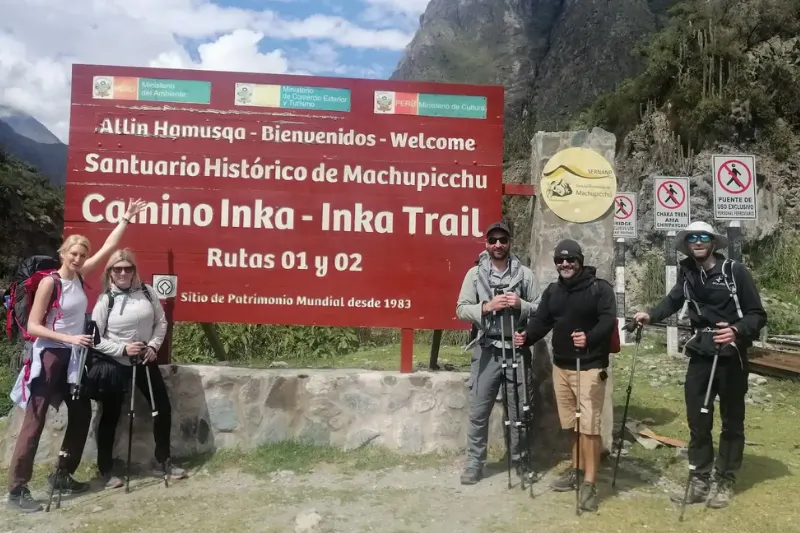
500 people maximum daily on the inca trail hike counting every guide, cook, and porter, meaning roughly 200 actual tourists starting each day. Permits booking out 6 to 8 months ahead for high season, rigid planning the only path in. Salkantay trek needs nothing booked months out, sometimes days before arriving in Cusco works fine. Peak season Salkantay campsites crowd badly though without regulation controlling who shows up.
- Spontaneity: Salkantay Trek
- Exclusivity: Inca Trail
4. Accommodation and Comfort
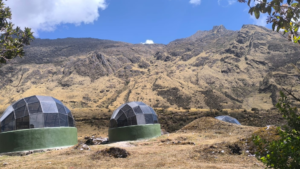
Inca trail hike runs through a protected park where permanent infrastructure simply doesn’t exist, tents every single night with no alternative available. Salkantay trek passes communities where private companies built real options across every budget imaginable. Camping, glass domes, wooden cabins, full luxury lodge-to-lodge with jacuzzis after hard days, all genuinely available depending on what the trip is worth.
- Purist camping: Inca Trail
- Options and luxury: Salkantay Trek
Cultural Immersion: Meeting the Andes
Inca trail hike is sealed from living communities by design, ruins and trekkers the only occupants along the entire route. Good guides make history feel alive but actual village contact doesn’t happen anywhere on it. Salkantay trek passes through Collpapampa and Lucmabamba on days three and four, real communities with kids heading to school and farmers working land their families have worked for generations.
Coffee farm stops common on salkantay trek tours, families demonstrating the full harvest to cup process, a cup bought directly from the person whose land was just crossed. That specific encounter isn’t available on the inca trail hike regardless of how much gets spent or which operator gets chosen.
The Financials: Budgeting for Your Trek
Inca trail hike standard four-day Classic runs $700 to $1,200 USD per person, permitting and licensed guides and fair porter wages pushing costs up unavoidably. Salkantay trek sits between $350 and $600 USD for standard five-day options without expensive permits keeping the base cost lower. Luxury lodge-to-lodge Salkantay pushing $3,000 to $4,000 USD for people who want that specific experience.
Prices well below market almost always mean exploited porters or missing safety gear, emergency oxygen being the most important missing item. Worth knowing exactly what the number covers before committing to anything.
Preparation and Logistics: Setting Yourself Up for Success
When to Go
Dry season May through October works for both routes consistently. June through August driest and clearest but coldest nights and most crowded trails by far. May, September, October the sweet spot most experienced trekkers aim for deliberately, moderate temperatures, fewer people, relatively dry conditions throughout. Inca trail hike closes every February for maintenance, salkantay trek stays open year-round though rainy season January through February brings mudslide risk worth taking seriously.
High Altitude Hiking Preparation Tips
Salkantay pass elevation at 4,630 meters and Dead Woman’s Pass at 4,215 meters both well above Cusco sitting at 3,399 meters. Two to three days in Cusco or Sacred Valley before either trek starts is the baseline requirement:
- Acclimatize first: Two to three days minimum before the trek starts, no exceptions made.
- Hydrate constantly: Three to four liters daily, mountain air pulls moisture out faster than expected.
- Coca leaves: Used at these elevations for generations and genuinely takes the edge off symptoms.
- Consider Diamox: One doctor conversation before the flight, simple and worth having early.
Physical Fitness for Andean Treks
Three months of consistent preparation changes what both routes actually feel like on the body once the trail starts:
- Cardio: Running, cycling, or swimming three to four times weekly minimum throughout preparation.
- Leg strength: Squats, lunges, calf raises for gradients that never really flatten out on either route.
- Stair climbing: Particularly useful for the inca trail fhike, weighted repeated climbs building specific targeted strength.
- Uneven terrain: Ankles need real exposure to roots and rocks before the trail provides them all at once.
Gear Up: The Essential Packing List for High Altitude Hiking
Clothing
- Base layers: Two to three merino wool or synthetic shirts, cotton causes genuine problems at altitude.
- Mid layers: Warm fleece or lightweight puffer for cold mornings that arrive without much warning.
- Outer layer: Fully waterproof Gore-Tex shell and pants, cheap poncho as backup only never primary.
- Trekking pants: Lightweight quick-drying, zip-offs useful for jungle transition sections on Salkantay.
- Footwear: Broken-in waterproof boots with ankle support, new boots guarantee blisters starting day two.
- Socks: Four to five merino wool pairs, feet take serious punishment across multiple consecutive days.
- Extremities: Warm beanie, waterproof gloves, wide-brimmed hat for the exposed high ridgelines.
Essential Gear
- Trekking poles: Non-negotiable on descents, rubber tips required on inca trail hike to protect ancient stone.
- Daypack 20 to 30 liters: Rain cover included, main bag carried by porters or mules throughout the trek.
- Headlamp: Extra batteries always carried, early starts and camp navigation both requiring it regularly.
- Hydration bladder: Drinking while moving rather than stopping constantly to dig out a bottle.
Health and Hygiene
- Sun protection: SPF 50, lip balm, polarized sunglasses, UV at altitude hits hard regardless of temperature felt.
- Insect repellent: High-DEET mandatory for cloud forest sections where sandflies operate without negotiation.
- First aid basics: Blister plasters, ibuprofen, anti-diarrhea medication, electrolyte powder for sweating days.
- Wet wipes: Showers absent for multiple days on the inca trail hike, wipes handle the gap adequately.
The Verdict: Salkantay vs Inca Trail – Which Trek Wins?
No clean winner exists in the salkantay vs inca trail debate and anyone offering one is already working from assumptions about what the person asking actually wants. History and exclusive ruins and walking into Machu Picchu through the Sun Gate at dawn, that’s the inca trail hike making its case. Raw wilderness and brutal altitude and coffee farms and glass domes under glacier views, that’s the salkantay trek making its own.
Both leave marks that don’t fade particularly fast. Both end at the same ruins sitting in the same mist waiting at the finish. Pick what’s actually wanted from the experience and prepare properly for it before arriving.
FAQs
How long is the Salkantay Trek?
Five days four nights standard, roughly 46 miles (74 km). Four to seven day variations exist depending on side trips like Humantay Lake and how the finish into Aguas Calientes gets handled logistically.
How to prepare for Salkantay Trek?
Two to three days acclimatizing in Cusco or Sacred Valley before the trek starts. Three months of cardio and leg strength work before departure from home. Layering system for rapid temperature swings throughout. Altitude medication worth a doctor conversation before the flight.
Can you do the Salkantay Trek by yourself?
Yes, no government permit required unlike the inca trail hike. Needs careful logistics covering transport, accommodation, food, water treatment, and weather decision-making along the way. A solid guide reduces risk considerably and handles connections that regularly trip up independent hikers.
How long is the Inca Trail?
Classic inca trail hike about 26 miles (43 km) over four days three nights. Two-day shorter version covering only the final section exists but uses the same strict permit system with no easier access.
What is the Inca Trail?
Historic stone-paved route built by the Inca Empire through high Andean terrain and cloud forest directly to Machu Picchu. Defined by the concentration of archaeological sites along the route and the traditional dawn approach into the citadel through the Sun Gate at the finish.