
You step out of the vehicle and the air immediately feels wrong. Not dangerous wrong, just thin in a way that takes a few breaths to register. Somewhere ahead is a peak the Quechua named Salkantay, the Savage Mountain, which is one of those names that exists because whoever came up with it had actually been there. The Salkantay Pass isn’t a waypoint between you and Machu Picchu. Ask anyone who’s crossed it and they’ll tell you it was the part they actually came for.
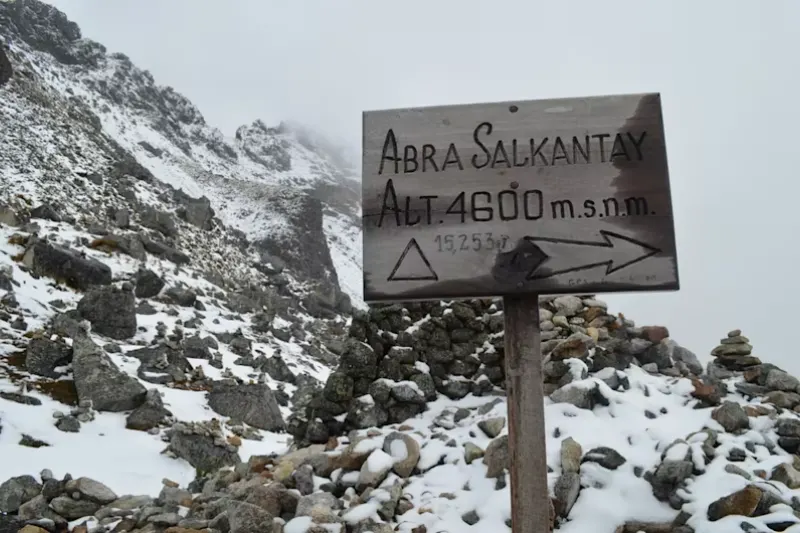
At 4,630 meters the Salkantay Pass elevation puts you at roughly half the cruising height of a commercial flight. That number lives in your legs and your lungs in a way that statistics don’t prepare you for. Salkantay snow capped sits above that at 6,271 meters, looking down at you with the indifference of something that has been there considerably longer than you have.
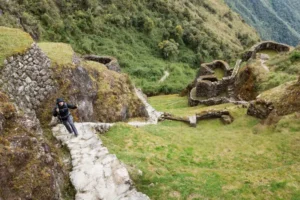
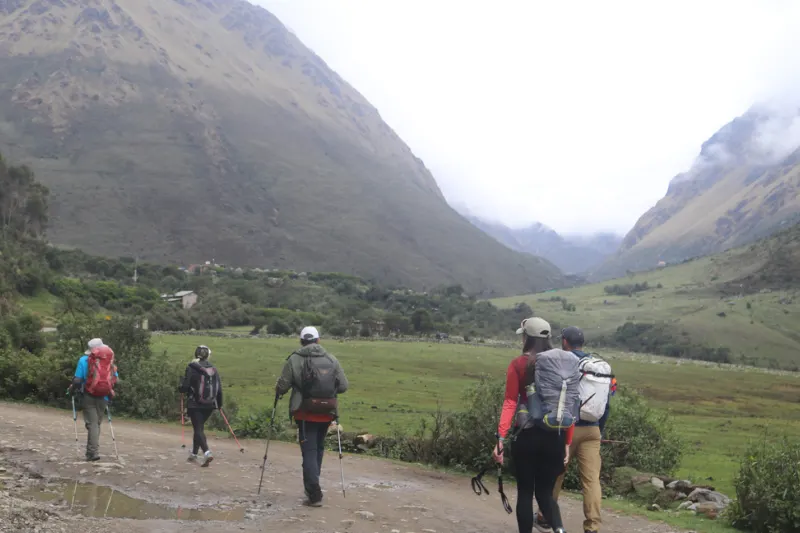
The Classic Inca Trail has its crowds and its permit lottery and its famous stone steps. People who’ve done their research and decided they want something different end up on Salkantay trekking routes instead, walking the Salkantay trail through valleys and past glacial lakes with nobody else in the frame. The solitude is real. So is the altitude. Most people find the combination works out in their favor.
Summary
Salkantay Pass Peru at 4,630 meters is harder and higher than the Classic Inca Trail, trading crowds for raw glacial scenery and genuine solitude. This guide covers everything from acclimatization and the Seven Snakes ascent to layering for Andean weather, the Apu tradition, meal and camping realities, documentation, and how to choose who you walk with.
The Elevation Gap: Salkantay vs. The Classic Inca Trail
Dead Woman’s Pass on the Inca Trail sits at 13,828 feet and it’s genuinely tough. Salkantay Pass Peru adds another thousand-plus feet on top of that and the difference isn’t just numerical. Somewhere past 4,000 meters altitude stops being a background factor and becomes the main character of every step you take.
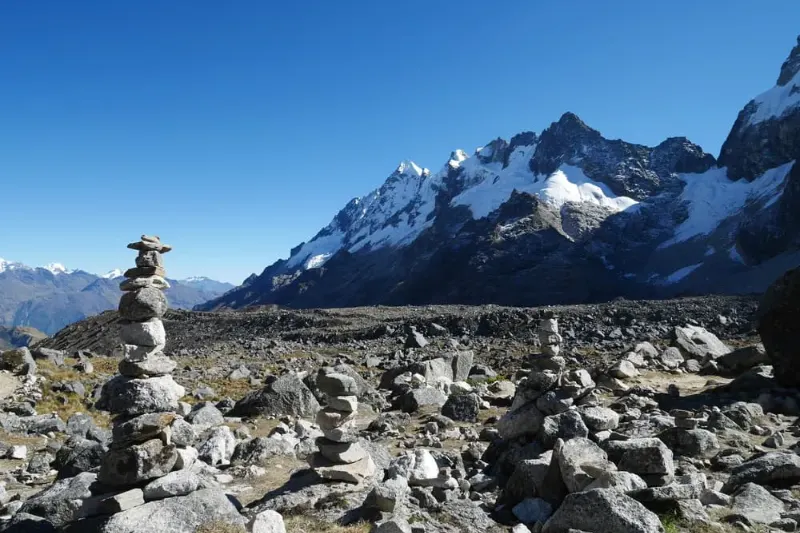
The Puna ecosystem starts appearing past the lower valleys, those windswept high-altitude grasslands that feel like the edge of something. Vegetation gets sparse, ridgelines go angular and icy, and the comfortable sense of hiking through mountains gives way to something that feels more like being inside them in a way you didn’t expect.
Permits for the Classic Inca Trail book out months ahead and the route delivers a curated, crowded experience by design. Salkantay is looser and considerably quieter. What you give up is infrastructure and company. What you get back is terrain that feels like it belongs to you for a few days.
The Science of High-Altitude Breathing: Preventing Altitude Sickness
Every breath at Salkantay Pass elevation captures roughly 40% less oxygen than the same breath at sea level. Your heart compensates by speeding up to deliver whatever it’s getting to muscles that are simultaneously being asked to climb. This is not a fitness issue. It is atmospheric physics and the sooner you make peace with that the better your experience will be.
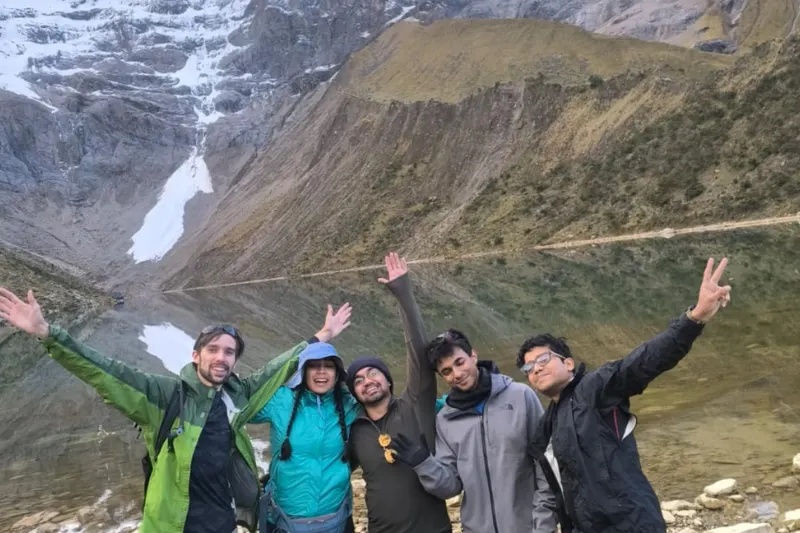
Soroche, the Quechua word for altitude sickness, takes down fit people all the time on this route because fitness and acclimatization are unrelated things. Climb high and sleep low is the approach that has a consistent track record. A day hike to Humantay Lake at 13,779 feet with a return to lower camp overnight gives your body what it needs without overwhelming it. People who skip this because Cusco felt fine discover why it matters somewhere above 4,000 meters.
Watch for these and respond fast:
- Assess your head: Dull headache is background noise up here. Throbbing pain that medication won’t touch is a different thing that needs a different response.
- Check your appetite: Going off food is one of the first reliable signals your body sends when altitude is winning.
- Monitor nausea: Mild queasiness is your body’s way of saying stop right now, sit down, drink water. It doesn’t mean in a few minutes.
- Speak up: Tell your guide the moment dizziness shows up. Not when it gets worse. Now.
From Mollepata to the Summit: Mapping the 7-Mile Ascent
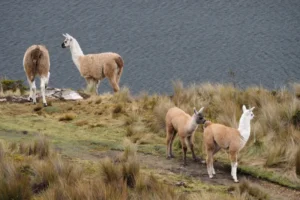
The trail out of Mollepata runs about 12 miles to Soraypampa and the gradient earns its reputation gradually rather than all at once. This is the section where the flora and fauna at Salkantay trek does something interesting, the vegetation and birdlife of the lower valleys thinning out as altitude climbs until eventually you’re in territory where vicunas graze on distant slopes with zero apparent concern for your presence and condors appear overhead doing things with thermals that make the physics of flight look effortless.
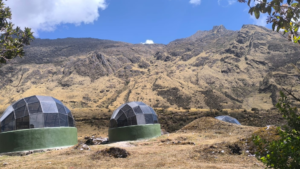
Soraypampa basecamp at close to 12,800 feet is where most trekkers overnight before the main event. Salkantay trek camping here is cold in ways that expose the difference between operators who take gear quality seriously and those who don’t. A sleeping bag that performs at the actual overnight temperature isn’t a luxury item on this section. It’s the difference between recovering and not recovering before the hardest day starts.
The Siete Culebras switchbacks are what most people mean when they say the Salkantay was hard. Seven snakes of trail winding back and forth up a rocky face with air that has stopped cooperating entirely. Short steps. Not medium steps. Short ones. Eyes on the next few meters rather than the ridge that’s still far above. Consistent movement. The pass opens when you get through them and the view that’s waiting has converted a lot of people on the spot.
Surviving the Andean Microclimate: The Layering System Every Trekker Needs
Cotton at the summit is how hypothermia starts on this mountain and it happens faster than people expect. The weather at Salkantay Pass doesn’t transition gradually between conditions. It switches, sun to freezing gusts in a window that leaves no time to dig through your pack for the right layer. The gear system needs to be on your body in the right order before you need it.
Sweat away from skin. Heat staying in. Wind and moisture staying out. Three jobs, five items:
- Wicking base layer: Merino or synthetic only. Cotton absorbs and holds moisture against you and at these temperatures that becomes a cold emergency faster than it should.
- Insulating mid-layer: Fleece or down that performs when wet and cold, not only under ideal conditions that won’t exist at the summit.
- Shell protection: Windproof and waterproof outer layer that has been tested in real conditions. Not assumed functional from a hangtag.
- Thermal headwear: Thick beanie because the head loses heat at a rate that genuinely surprises people the first time they experience altitude wind.
- Windproof gloves: Functional enough to grip trekking poles, which you will rely on heavily going down regardless of how you felt going up.
Meeting the Apu: Understanding the Mountain Spirits of the Peruvian Andes
The guide stops at the pass and it’s not only the thin air causing the pause. Salkantay is an Apu to the Quechua people, a conscious mountain spirit and protector, not a metaphor for those things but the actual thing itself in their cosmology. This belief isn’t performed for visitors. It shapes how communities in these valleys organize their lives, their calendars, their relationship to water and agriculture and weather.
Apachetas are the stone cairns scattered across the summit notch, added to by travelers for generations going back further than anyone has documented. Placing a stone is simultaneously a thank you for making it up and a request for safe passage down. Both feel relevant when you’re standing at 4,630 meters in wind that is expressing a clear preference for your absence.
The framing shifts when you carry this into the descent. You weren’t up there to conquer something. You were crossing a threshold that belongs to people who have lived in its shadow for centuries, and that’s a more interesting thing to have done than the other version.
Planning Your Expedition: Best Timing, Budgeting, and Hiring Local Support
People sorting through trekking packages in Peru often land on Salkantay after ruling out the Classic Inca Trail permit system, but the planning still deserves the same attention. May through September is the dry season and the window that actually makes sense. July gives you the clearest skies and the most consistent glacier visibility, cold nights guaranteed throughout. December through March produces conditions on the Seven Snakes that add misery without any corresponding upside.
Documentation needed for the Salkantay Trek is where preparation falls apart more often than it should. Valid passport, obviously. The route itself doesn’t require the advance permit headache of the Classic Inca Trail, but the Machu Picchu entry ticket at the end has its own booking system and its own capacity limits that bite people who wait. Peak season slots go weeks out. Some operators additionally require a health declaration given the altitude involved. None of this is complicated but all of it needs to happen before you’re in Cusco the night before you start.
Actual costs:
- Independent, experienced only: $200 to $300 for permits, campsites, self-carried everything.
- Standard guided: $400 to $600 with arrieros, guide, trail meals, and Machu Picchu entry.
- Premium: $800 and up for private transport, dedicated cook, upgraded camp setup.
Food, Culture, and the Unexpected Pleasures of the Trail
Meals at the Salkantay trek surprise people who arrived expecting to suffer through basic food for five days. Operators who run this route properly bring cooks who understand what altitude does to caloric needs and plan accordingly. Hot soups, rice dishes, protein, fresh vegetables. Food that functions as recovery rather than just fuel. At 4,000 meters the quality of dinner directly affects the quality of the next morning’s climbing.
Some of the lower-elevation camp stops have started incorporating cooking classes on the Salkantay trek where the logistics actually allow for it. A local cook walking a small group through traditional Andean preparation with ingredients from nearby communities sounds like something added to brochures and turns out to be one of those unexpected parts of the trip that people mention when they get home. Eating something you helped make at altitude in a mountain valley is a different experience than it sounds.
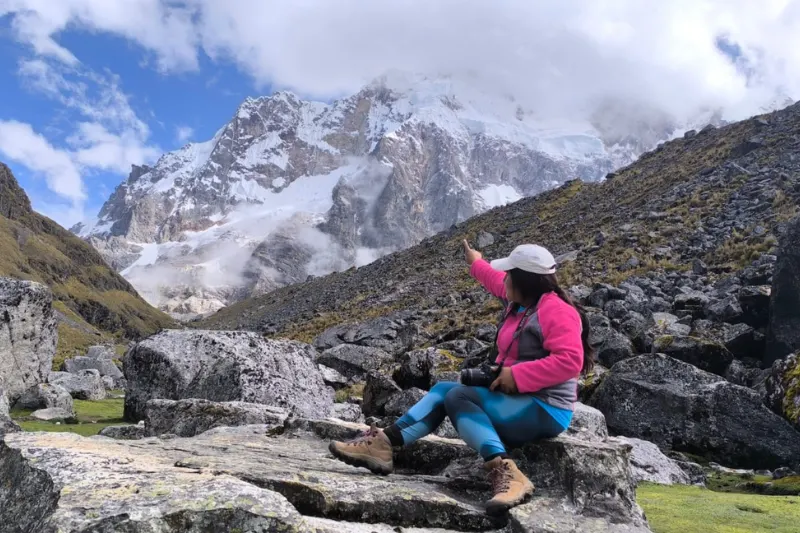
The arrieros who carry gear with an efficiency that makes your daypack feel absurd, the women appearing at unexpected trail points with hot drinks, these details accumulate into something that the scenic photography of the route never quite captures. The Salkantay has cultural texture that exists whether you went looking for it or not.
Your Salkantay Action Plan: Final Steps Before the 20,000-Foot Shadow
A tour Salkantay trek with a local operator who actually knows the route handles the logistics that derail independent attempts more consistently than the altitude does. Transport from Cusco, campsite sequencing, meal planning calibrated to altitude, arrieros who make carrying a light daypack through the Seven Snakes possible rather than aspirational. The operators who charge less than the going rate are telling you something through the price. Day two is usually when that message becomes fully legible.
Twelve weeks of preparation before departure makes a genuine difference on the Siete Culebras. Stair climbing with a loaded pack targets the specific muscle demands of this terrain in a way that general fitness doesn’t. People who arrive strong in the right ways have a noticeably different experience above 4,500 meters than people who arrived generally fit.
Clear the ridge and the geography reverses itself. Wind drops. Temperature climbs. Rock transitions into mist and then into cloud forest with orchids and hummingbirds where ice was a few hours earlier. The descent from Salkantay Pass toward Machu Picchu covers more environmental change per kilometer than almost anything else available on foot in South America. Get the documentation sorted early, give the acclimatization the days it needs, find a guide who knows this mountain, and go.
Q&A
How does the Salkantay Pass compare to the Classic Inca Trail in elevation, difficulty, and logistics?
Salkantay crests at 4,630 meters against Dead Woman’s Pass at 4,215 meters and past a certain altitude that gap is not trivial. The Classic Trail delivers a curated, crowded, well-permitted experience. Salkantay gives you solitude and a harder push in thinner air with fewer people around you in case something goes sideways.
How do I acclimatize and prevent altitude sickness on the Salkantay Trek?
Climb high during the day and sleep lower, tell your guide immediately when symptoms appear rather than managing them privately and hoping. A Humantay Lake day hike with a lower overnight is the preparation with the best track record. Persistent headache, appetite loss, and nausea are each worth acting on immediately rather than waiting to see how they develop.
What does the ascent look like and which section is the toughest?
Mollepata to Soraypampa is roughly 12 miles of gradually steepening valley terrain with a basecamp night around 12,800 feet before the hard day. The Siete Culebras switchbacks above camp are where the route earns everything said about it. Short deliberate steps in air that has stopped cooperating. Full climb to the pass is about seven miles ending in wind that requires layers before anything else happens.
What clothing system works for the Andean microclimates at the pass?
Merino or synthetic base layer, insulating fleece mid-layer, windproof waterproof shell, beanie, windproof gloves. No cotton at the summit, not even for a few minutes. Getting this right means standing at the pass long enough to see what you came to see rather than descending immediately to get somewhere warmer.
When should I go, how much should I budget, and should I hire local support?
May through September with July delivering the clearest conditions, cold nights regardless. Avoid December through March. Budget $200 to $300 independent, $400 to $600 standard guided with Machu Picchu entry, $800 plus for premium. Arrieros are a practical altitude decision, not an indulgence. Your legs will thank you somewhere on the Seven Snakes.