
Deep in the Peruvian Andes, past the point where most tourists think to look, there’s a mountain that the Quechua people have been talking to for centuries. Ausangate mountain doesn’t advertise itself. No shuttle buses, no gift shops at the trailhead, nothing that signals you’re about to walk into something significant. And yet people who do this circuit come back changed in ways they struggle to explain at dinner parties. The Ausangate trek does that. This ausangate guide exists because more people should know it’s there.
Summary
The Ausangate trek circles a sacred 6,384-meter peak in Cusco’s high puna, somewhere between brutal and transcendent depending on the day. Among hikes in the Andes in Peru this one stands apart, glaciers, lakes that shift color by the hour, Quechua communities that have outlasted empires. May to September, proper gear, real acclimatization. That’s the short version.
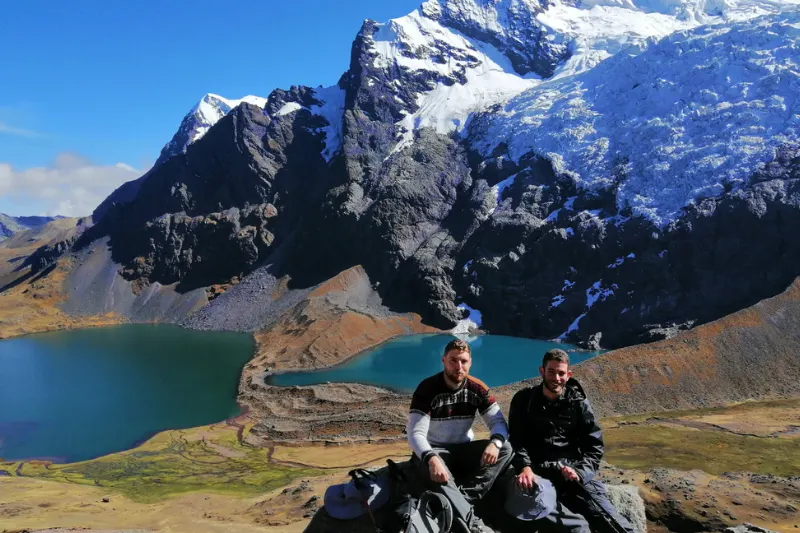
The Mighty Apu: Understanding Nevado Ausangate
Here’s the thing about nevado ausangate that guidebooks tend to understate. At 6,384 meters it’s the highest peak in the Cusco region, fine, that’s a fact. But to the Quechua people this isn’t geology. It’s a living thing. An Apu, a mountain deity, a protector who provides the water that eventually becomes the Amazon. That’s not metaphor. That’s cosmology that has shaped daily life in these valleys for longer than most countries have existed.
Every year tens of thousands of pilgrims walk to the base of this mountain for Qoyllur Rit’i, the Star Snow festival. It’s one of the largest indigenous pilgrimages in South America and it happens in the shadow of the same peak you’ll be circling. Walking these paths with zero awareness of that history is technically possible. It’s also a waste of a genuinely remarkable opportunity to understand something.
So before the gear lists and the itineraries, that’s the starting point. This mountain means something. The people who live near it know exactly what it means. Arriving with some curiosity about that changes the whole experience in ways that are hard to quantify but very easy to feel.
Why Choose the Ausangate Trek?
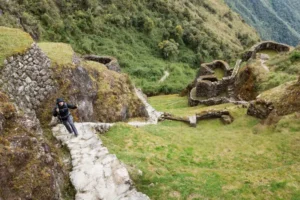
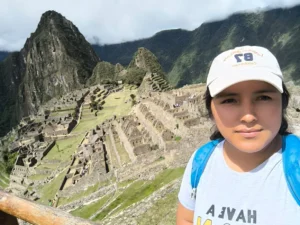
The Salkantay trek vs Ausangate trek question gets asked a lot and deserves a straight answer. Salkantay is gorgeous, nobody’s arguing otherwise, but structurally it’s a transport mechanism. It moves you from high altitude down into humid cloud forest and eventually delivers you to Machu Picchu. The landscape changes, the crowds grow, and the endpoint is the whole point.
Ausangate doesn’t deliver you anywhere famous. The loop starts and ends near the same village. It never drops below 4,000 meters, never transitions into jungle, never builds toward a ruins photo. What it does instead is keep you inside the high puna for days, surrounded by glaciers and color-shifting lakes and an almost total absence of other trekkers.
If that comparison makes Salkantay sound more appealing, go do Salkantay. No judgment. But if the Ausangate description is what caught your attention, trust that instinct. The people who choose this circuit and prepare honestly for it rarely wish they’d chosen differently.
Route Options and Itineraries
The Classic Ausangate Circuit (5 to 6 Days)
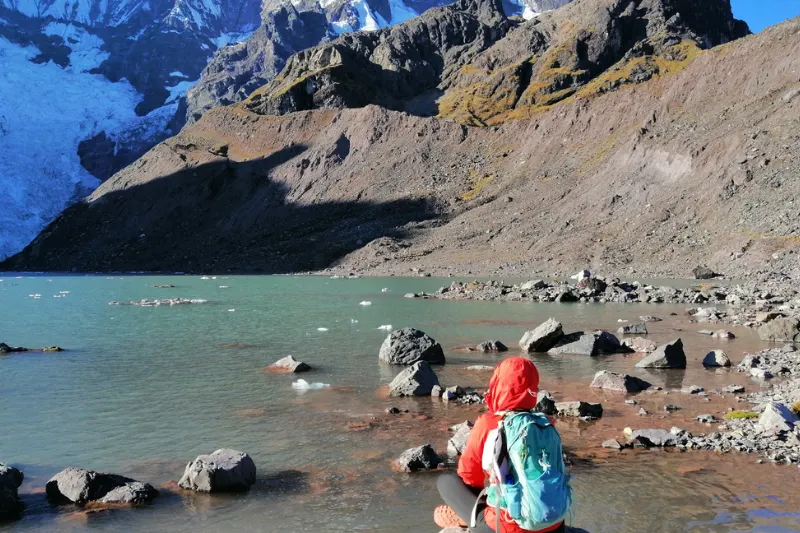
Seventy kilometers around the full mass of nevado ausangate, crossing multiple high passes with Palomani at 5,100-plus meters being the one that earns the most creative language from hikers. Lakes like Pucacocha and Ausangatecocha show up along the route and they genuinely look different at 7am than they do at noon, navy blue to something closer to green depending on cloud cover and glacial light. Days are physical. Mornings climb, afternoons descend, evenings involve more stars than most people have seen in their lives.
The Seven Lagoons Day Trip
For people without five days or the conditioning the full circuit demands, Pacchanta is where you start a much gentler alternative. Seven alpine lakes, five to six hours round trip, around 4,600 meters elevation throughout. Still altitude, still real hiking, just without the passes that make the full circuit what it is. The natural hot springs at Pacchanta at the end of the day are not a small thing after hours on your feet at elevation.
Adding Rainbow Mountain
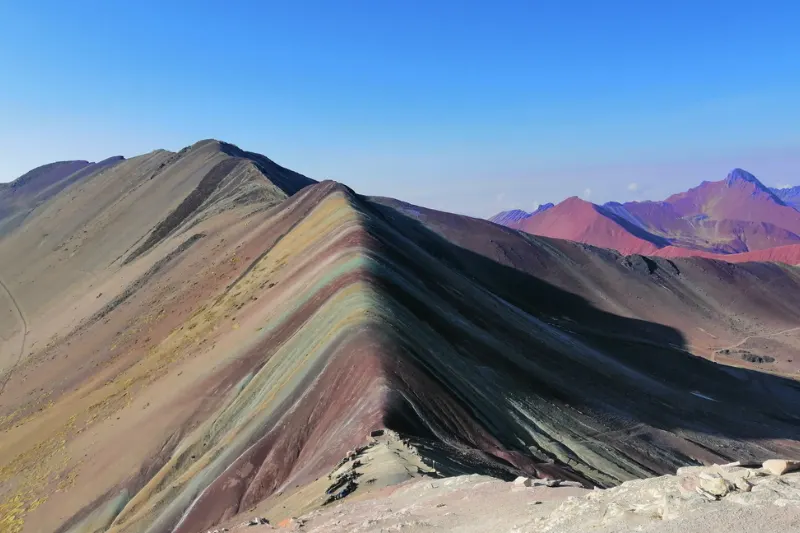
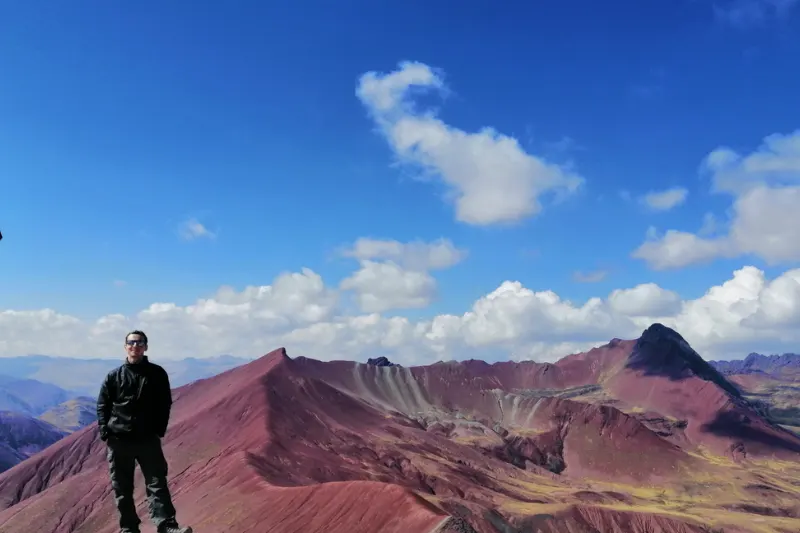
Rainbow Mountain earns its name from mineral deposits that stripe the hillside in reds, yellows and greens visible from the viewpoint above. It folds naturally into a six-day ausangate circuit and the timing advantage is significant: you reach the viewpoint early, well before the day-trip buses from Cusco unload their passengers. Morning light on those colors is something else entirely. Bring a polarizing filter if cameras are part of your kit.
Trekking Styles: How to Experience the Mountain
Independent Trekking vs. Hiring an Ausangate Guide
Unmarked trails, weather that changes in twenty minutes, passes above 5,000 meters with no easy evacuation route. Self-guided works for people who genuinely have high-altitude wilderness navigation experience, a solid GPS setup, and no illusions about what happens if something goes wrong up there. For most people a local ausangate guide is the call that makes sense, not because the trail is impossible but because the knowledge a good guide carries about the mountain, the communities, and the early warning signs of altitude problems is genuinely worth more than the cost difference.
Accommodation Options
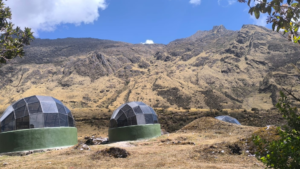
Camping is standard: four-season tents, valley sites, temperatures well below freezing most nights, sleeping bags that have to actually perform at their rated temperature. A tour ausangate trek through an established operator often opens up the lodge-to-lodge alternative, real beds and warm showers through the Andean Lodges network, which at 4,500 meters means your body recovers instead of just surviving the night. More expensive, meaningfully different experience, worth knowing about before you decide.
Surviving and Thriving at Extreme Altitude
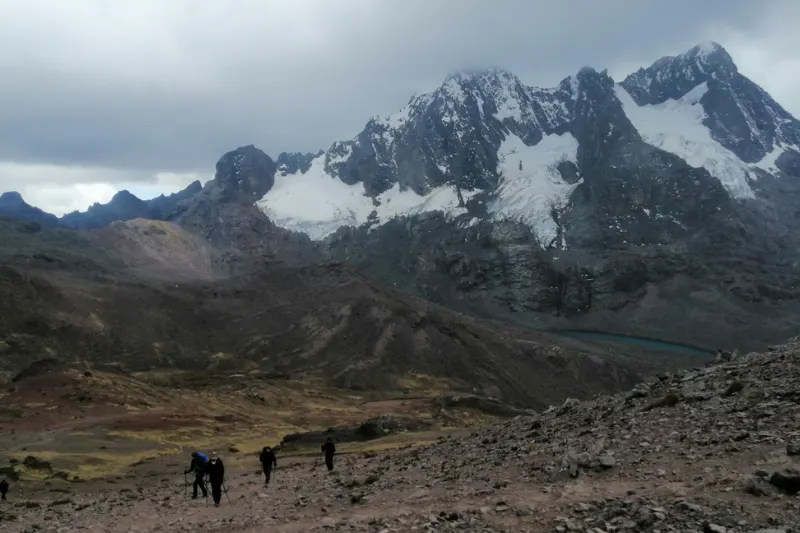
The ausangate altitude doesn’t care how fit you are at sea level. That’s the thing people learn the hard way when they skip acclimatization because they felt fine in Cusco. Multiple passes above 5,000 meters, sleeping altitude that never drops below 4,000, no gentle exit if things deteriorate. This section of the ausangate guide exists because underestimating elevation is the most consistent way trips fall apart on this circuit.
Unlike some other routes in Peru, there’s no mid-circuit drop to lower elevation that gives your body a reset. The puna stays high and the passes stay demanding from day one through the last day. Your body needs to already be adapting before you start, not scrambling to catch up while you’re also trying to hike.
Attitude matters as much as physiology here. The trekkers who do well aren’t always the fittest ones. They’re usually the ones who pace honestly, listen to their bodies without ego getting in the way, and don’t let social pressure push them faster than their oxygen intake can support.
Preparing in Cusco
Three to four full days in Cusco or the Sacred Valley before the trek, doing actual light hiking rather than just resting in a hotel room. Drink water constantly, more than feels necessary, because the altitude and dry air are working against your hydration simultaneously. Carbohydrate-heavy meals, light on fat and protein your slowed digestion will struggle with. Talk to a doctor before leaving home about Acetazolamide because starting it after symptoms appear is not the same intervention.
On the Trail: Managing the High Passes
Poco a poco. Local guides say it constantly and they mean it literally. Slow enough to talk without gasping. Forceful exhales through pursed lips on steep sections to push CO2 out and create the pressure exchange that pulls more oxygen in. Headache and mild nausea are background noise at this elevation and don’t require stopping. Confusion, coordination loss, or a rattling wet cough are a different category entirely and mean immediate descent, not rest, not water, not waiting to see how you feel in an hour.
The Environment: Flora, Fauna, and Local Culture
Wildlife and Ecosystem
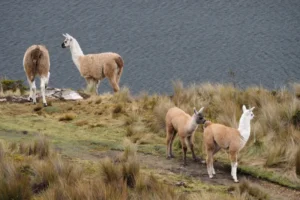
Cold, thin, relentlessly windy at the passes, the puna ecosystem looks inhospitable until you notice how much is living in it. Alpacas and llamas everywhere, central to the local economy in ways that go beyond the aesthetic. Vicuñas in smaller numbers, slender and fast, producing wool that trades at prices that seem like a typo until you touch it. Andean condors over the passes with wingspans around 3.3 meters, catching thermals with a stillness that stops conversations mid-sentence. Viscachas on the boulders, looking like someone designed a rabbit and a chinchilla at the same time and couldn’t decide.
Cultural Immersion
Quechua communities have been living in these valleys since before the Inca empire organized them into something larger. They still herd alpacas, still weave textiles that are extraordinary up close, still grow potatoes and quinoa at altitudes where that shouldn’t work. Buying directly from weavers you meet on the trail puts money into hands that actually did the work. Ask before photographing anyone. Hiring local horsemen and guides through a regional operator is the structural version of the same principle: keep the economics inside the community rather than flowing to outside operators.
Logistics: Getting to the Mountain
Guided tours include private transport, three to four hours from Cusco on the Interoceanic Highway before the road changes character completely and becomes dirt. Independently you’re on a colectivo from Cusco’s Coliseo Cerrado terminal toward Ocongate, off at Tinki, then local transport up to Pacchanta. Local schedules in this region are suggestions more than commitments, so build extra time into the transit day if you’re going independently.
Sort all of this before you arrive in Cusco, not after. Transport, campsite sequence, food for the days on trail. Improvising logistics at altitude while your brain is already operating below its usual capacity is an experience with a predictable outcome.
Don’t leave the trailhead question to the morning you plan to start. The drive alone takes most of the morning and arriving stressed at a high-altitude trailhead is not a useful beginning.
Packing for the Extreme Andes
Weather on this circuit doesn’t build gradually toward bad. It arrives. Sun to freezing rain to brief snow in a two-hour window is not unusual. Your gear needs to handle all three simultaneously rather than for the conditions you’re expecting when you pack at home.
Boots are the item people most consistently get wrong by not breaking them in sufficiently before arrival. Worn a few times is not broken in. Blisters on day one of a circuit with no easy exit are a lasting problem. Everything else in the pack can be adjusted. Feet cannot.
Sleeping bag ratings deserve skepticism. A bag rated to -10C means it’s survivable at -10C under ideal conditions, which don’t exist on this circuit. Go colder than the forecast suggests and you sleep. Go warmer and you spend the night learning why the rating exists.
Clothing (The Layering System)
- Base Layers: 2-3 pairs merino or synthetic, cotton is a genuine safety problem when wet at this altitude and temperature.
- Mid Layers: Down or thick fleece that insulates when damp, because conditions that keep everything dry are not the norm here.
- Outer Shell: Waterproof windproof jacket and rain pants that have been tested in actual rain, not assumed to work from the label.
- Trekking Pants: Quick-drying and durable, moves well on steep rocky terrain without restricting stride or adding unnecessary weight.
- Head and Hands: Beanie, sun hat for UV that’s genuinely brutal at elevation, liner gloves and heavy insulated waterproof gloves for the passes.
Footwear
- Hiking Boots: Waterproof, ankle-supporting, broken in completely before Peru, not on the first day of the circuit.
- Socks: 4-5 pairs heavy merino wool, because cold wet feet at this temperature transition from discomfort to medical concern faster than expected.
- Camp Shoes: Slip-ons or sandals for evenings only, giving feet genuine recovery time between hiking days.
Camping and Trekking Gear
- Sleeping Bag: Mummy-style rated to -15C because the nights here are not the place to discover your bag’s actual limits.
- Trekking Poles: The descents on this circuit are steep, long, and rocky, and poles protect knees in ways that matter on day four.
- Daypack: 25-35 liters for daily essentials, horses carry everything else between camps.
- Hydration System: 2-3 liters minimum, insulate the bladder hose or it freezes solid before you reach the first pass.
Health and Extras
- Sun Protection: SPF 50+ sunscreen and lip balm, Category 4 polarized sunglasses, snow blindness at this altitude is not hypothetical.
- First Aid Kit: Blister treatment first, ibuprofen, anti-diarrhea medication, water purification tablets as backup.
- Headlamp: Spare batteries included, pre-dawn starts are standard and camp navigation after dark requires it.
- Power Bank: High capacity, kept against your body during the day because cold destroys battery charge faster than usage does.
Weather and the Best Time to Trek
May through September. That’s the dry season in ausangate peru and there isn’t a meaningful argument for another window if you want reliable conditions. Clear skies, long visibility, nights that drop to -15C regularly which is the cost of no cloud cover. The sleeping bag and layering system exist for exactly these months.
October through November and March through April are shoulder months with emptier trails and wetter conditions that affect the passes in real ways. Some people use them successfully with the right gear and realistic expectations about what wetter means at 5,100 meters.
December through February the answer is no. Mudslides, closed visibility, passes that are genuinely hazardous when saturated. The circuit is hard enough in dry season.
A Typical Day on the Ausangate Trail
Around 5am a crew member arrives at your tent with coca tea, the traditional Andean remedy that takes the edge off altitude symptoms and starts the day with something warm before you face the temperature outside your sleeping bag. Porridge, eggs, toast, quinoa in the dining tent by 6am, heavy on carbohydrates because the morning ahead burns through them. On the trail by 6:30 because the major pass of the day needs to be crossed before afternoon weather makes that conversation more complicated.
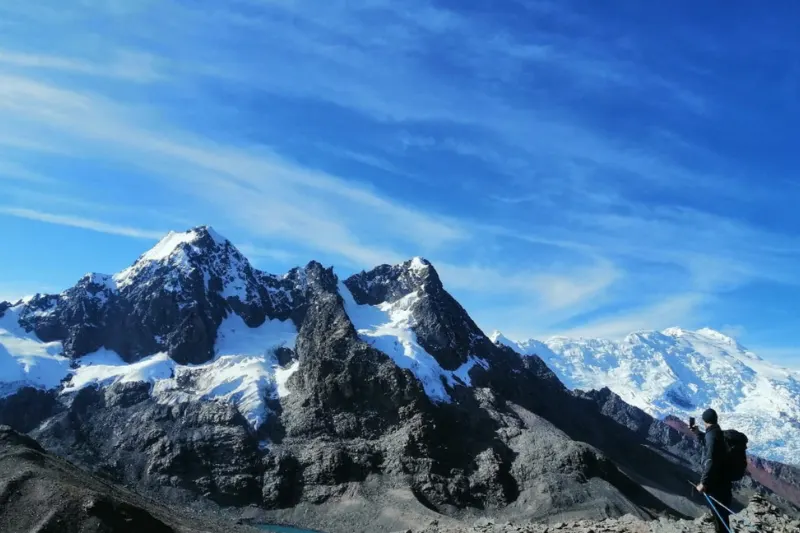
Three to four hours climbing, alpacas grazing at elevations that still seem improbable, glaciers visible above the ridgeline. Lunch around 1pm in the valley where the crew is already set up. Afternoon walking is easier, valley traverses and lakeside paths, camp by 4 or 5pm. The temperature drops the moment the sun clears the snow capped mountains of peru on every horizon, so dry warm layers go on immediately after boots come off.
Dinner at 7pm, hot drinks and biscuits beforehand in the dining tent. By 8:30 most people are genuinely asleep, not because it’s early but because the day used everything available. The silence up here at night is a specific kind of quiet that most people have never experienced, and it tends to be the detail they mention first when they get home.
Preserving the Pristine Environment
The ecosystem at 5,000 meters operates on timescales that make human visits feel brief and consequential simultaneously. Plants here measure growth in decades. Biological waste breaks down slowly in the cold. The impact of poor trail behavior lasts far longer than it would at lower elevations where conditions accelerate decomposition.
Everything you carry in comes back out. No soap in the streams or glacial lakes. Established trails only because the puna grass beside them took years to establish and doesn’t recover from shortcutting. The Quechua communities around nevado ausangate have kept this landscape intact through practices that predate the concept of Leave No Trace by several centuries. That standard is the baseline, not an aspiration.
What you do on this circuit matters past the week you’re there. That’s worth holding onto while you’re packing up camp.
Final Thoughts on the Journey
Nobody finishes the ausangate trek and describes it as comfortable. That’s not the point and it was never the point. Freezing nights, air that makes everything harder, days that go long on terrain that stays demanding. The mountain doesn’t offer an easy version and that’s precisely what makes arriving somewhere on it feel like something real.
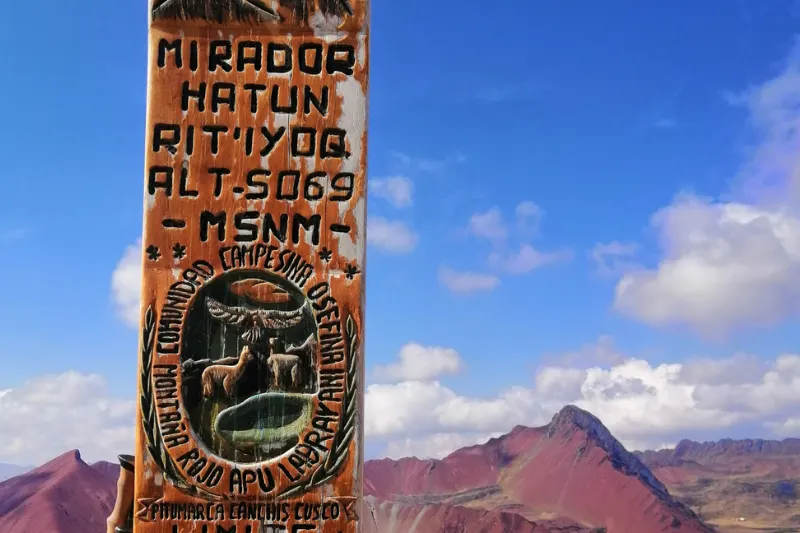
What stays with you isn’t always the dramatic stuff. Sometimes it’s just standing at a pass at 5,100 meters watching the light change on lakes below and understanding, briefly and specifically, why the Quechua people built their entire cosmology around this place.
When you’re looking through trekking packages in Peru and you keep coming back to this circuit, that’s information. Acclimatize properly, gear up for what the mountain actually is, find a local guide who knows it, and go. The ausangate trek has been there a long time. It’ll show you what it has when you’re ready.
Frequently Asked Questions
Why choose the Ausangate trek over Salkantay or the Inca Trail?
Ausangate stays above 4,000 m the entire circuit with no crowds, no ruins endpoint and raw glaciers and vivid lakes that the other routes don’t offer. It’s the sacred realm of Apu Ausangate, honored through centuries of Quechua pilgrimage, not a path to somewhere else. Salkantay and the Inca Trail deliver you to a famous destination. Ausangate is the destination.
How difficult is the Ausangate trek, and how should I acclimatize and manage altitude?
Multiple passes above 5,000 m with Palomani at 5,100+ m make this a serious high-altitude expedition requiring 3-4 acclimatization days in Cusco with light hiking, heavy hydration and carb-focused eating. On trail move poco a poco, use forceful exhales on steep sections, and descend immediately if confusion or coordination loss appears, no exceptions.
What route options are there, and can I add Rainbow Mountain?
The Classic Circuit is 70 km over 5-6 days around nevado ausangate crossing major passes and turquoise lakes like Pucacocha. The Seven Lagoons day hike from Pacchanta visits seven alpine lakes in around six hours at 4,600 m. Rainbow Mountain integrates into a 6-day itinerary and is best reached early morning in dry season before Cusco day-trippers arrive.
Should I go independently or hire a guide, and what are the accommodation options?
Self-guided demands real unmarked high-altitude navigation experience and GPS competency that most trekkers don’t have. A local ausangate guide handles logistics, watches for altitude symptoms and carries cultural knowledge the trail itself won’t give you. Standard option is camping while lodge-to-lodge through established operators offers real beds at a higher cost.
When is the best time to go, how do I get there, and what should I pack?
May through September dry season is the only reliable window, with cold nights around -15C offset by consistent clear skies. Guided trips cover transport from Cusco in 3-4 hours while independent travelers take a colectivo to Tinki then local transport to Pacchanta. Pack a full layering system, broken-in waterproof boots, a -15C sleeping bag, trekking poles, 2-3 liters water capacity and Category 4 sunglasses.