
Most travelers dream of hiking an ancient Inca path in Peru, but the reality of the most famous trails often involves packed crowds. What if you could find that same magic—the staggering mountain views, the mysterious stone ruins—on a trail that feels like your own private discovery?
This is the promise of the Huchuy Qosqo Trek. The trail leads to a spectacular site whose name, in Quechua, means ‘Little Cusco.’ Once a grand country estate for the powerful Inca emperor Viracocha, it feels like a private citadel perched high above the Sacred Valley. Unlike a single viewpoint, Huchuy Qosqo is a complete archaeological complex with impressive stone buildings, agricultural terraces, and ancient storehouses. It stands as one of the best alternative treks available and a perfect adventure to tackle before Machu Picchu to help your body adjust to the altitude.
This guide covers the real difficulty level, fitness requirements, and practical tips for managing the high Andes environment, so you can decide if this rewarding, uncrowded adventure is right for you.
Huchuy Qosqo vs. The Classic Inca Trail: Which Trek is Right for You?
When people think of hiking in Peru, the famous four-day Inca Trail to Machu Picchu almost always comes to mind. So, how does the Huchuy Qosqo trek compare? The differences are significant and might make «Little Cusco» the perfect choice for your adventure.
One of the biggest distinction comes down to freedom and flexibility. The classic Inca Trail is strictly regulated, meaning you need a special trekking permit that often sells out 6 to 8 months in advance. In contrast, Huchuy Qosqo is one of the best alternative treks because it doesn’t require these competitive permits, allowing for much more spontaneous planning.
Here’s a quick look at how they compare:
Huchuy Qosqo Trek
- Duration: 1 to 2 days
- Booking: Weeks or even days in advance
- Crowds: Minimal; feels like a private trail
Classic Inca Trail
- Duration: 4 days
- Booking: 6+ months in advance is essential
- Crowds: Very busy; you hike alongside many other groups
Ultimately, Huchuy Qosqo offers a profound Inca experience without the intense logistical scramble. But just because it’s shorter doesn’t mean it’s a simple walk in the park.
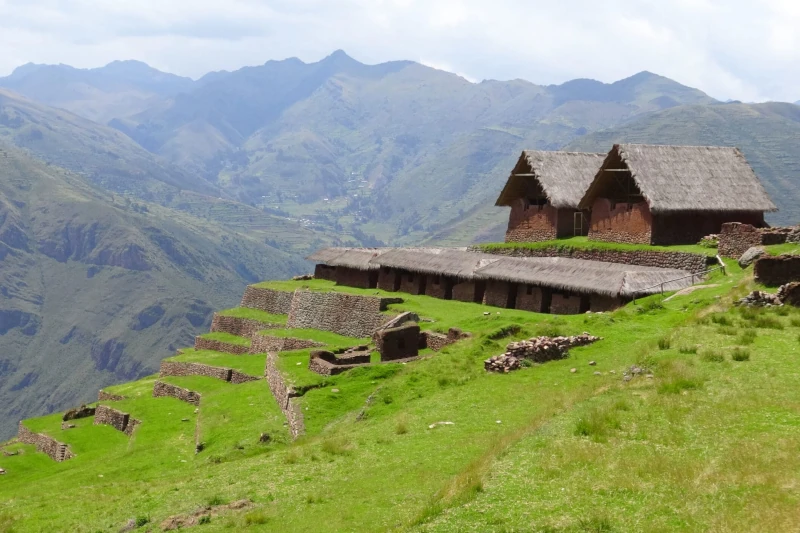
How Difficult is the Huchuy Qosqo Trail? An Honest Guide to Altitude and Fitness
So, what is the challenge of the Huchuy Qosqo trail? The difficulty of the hike does not lie in the technical climbing, you will not have to use ropes and harnesses. Rather you will be strolling along ancient Inca trails which are clear but tend to be steep in most cases. The primary hiking day is a continuous 6-7 hours of walking where the main section is on a steep uphill with a long downhill finish to the ruins.
It is not the terrain but the Huchuy Qosqo trek altitude that is the challenge. You will get to a maximum height of about 4,200 meters at its peak. The oxygen content in the air is lower at this altitude and that is why even simple exercise is capable of making you feel out of breath. It is the first reason why the trek is demanding.
Predominantly, as a rough guideline, when you are comfortable enough to hike a full day in local hills, most likely you have the base fitness required. Speed is not the key skill of this walk but supporting and maintaining the right pace. The performance and comfort you will experience will solely rely on the level of adjustment that your body will make to the altitude.
Your 3-Step Prevention of Altitude Sickness
As the high elevation is your big challenge, training in it is what you should do the most. The answer is unsophisticated: You have to allow your body time to adapt. This is referred to as acclimatization and it simply involves spending a couple of days in Cusco before your trek to allow your body a few days to get accustomed to the thin air and prevent altitude sickness.
The following is a basic timetable to be used when someone comes to Cusco:
- Day 1: Take it easy. Take things slowly, consume a great deal of water and do not eat heavy or drink hard. Your only job is to rest.
- Day 2: Explore a little. There is nothing better than a relaxed touring around the Plaza de Armas Cusco. Hydrate and pay attention to your body.
- Day 3: You feel a lot better now and are now quite prepared to the physical side of the trek.
You will also soon be presented to mate de coca, or coca tea. Locals all over the Andes consume this slightly traditional herbal tea as an aid to the effects of the elevation. Don’t be afraid to try it! The Huchuy Qosqo trek is considered to manage the altitude per se because it adheres to a more traditional principle, which states that you hike high during the day and then down to a lower altitude to have a rest which makes the experience more comfortable.
One Day or Two? Perfect Huchuy Qosqo Itinerary
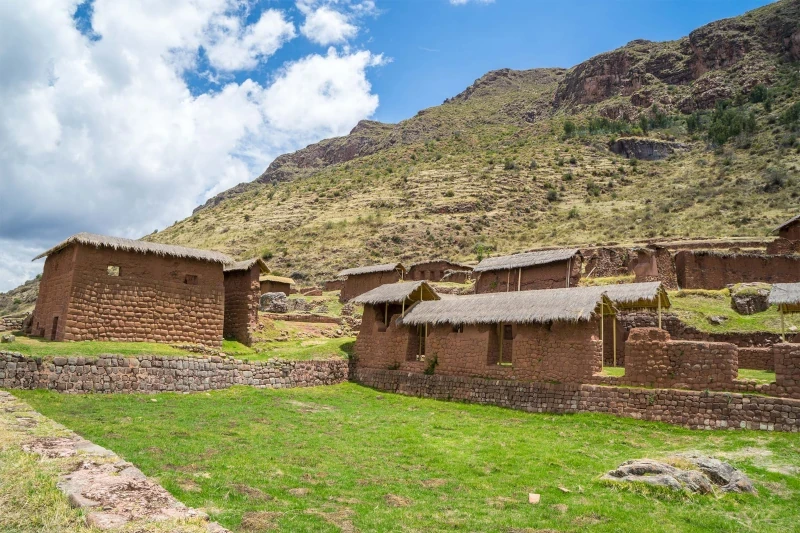
The Huchuy Qosqo trek could be organized to suit you and there are two common ones a challenging one-day dash or a two-day immersive trek. The choice is between them depends on how much time you have, what type of experience you seek. Both roads end up in the same unbelievable ruins, but they vary greatly in terms of how they arrive at the ruins.
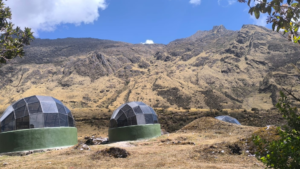
The choice of taking the two-day walk makes the hike a full Andean experience. You will spend the night camping in a starry sky, a personal cook coming with your delicious meals, which are all the more delicious after spending the day on the trail. This makes you have more time to enjoy the mountain views, as well as have a more leisurely visit to the ruins the following morning, when no one is there to disturb you.
The Huchuy Qosqo one day hike is an excellent option to those travelers who have a stricter schedule. It fills a single day full of hard work and memorable moments with all the epic views and the rewarding final descent to the ruins. This is why it is one of the best Sacred Valley short alternative treks. It is up to you which option you decide on: a fast, intense adventure or a slow cultural experience.
What You Will Really Find on the Trail: Llama Herds to Epic Views.
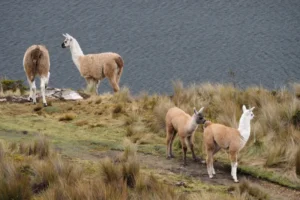
The path starts at a mild pace, as it goes through silent Andean villages where you could come across local farmers who were working in their fields of potato and quinoa. Llamas and alpacas can also be seen grazing the grassy slopes, which is a classic Peruvian image at the very beginning. This section of the trip is a real life experience of a lifestyle that has been flourishing in these mountains over centuries.
The closer you get to the sky, the larger the view becomes. The best reward is to arrive at the top of the pass (approximately 4,200mt): a stunning 360-degree view. In front of you, there are an exalted mountain range of Pitusiray and Sahuasiray, which are snowcapped above Vilcanota incomparable photographic memories. It is the point at which you will indeed experience the great size and strength of the Andes.
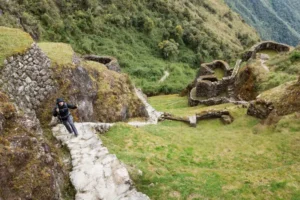
And out of the pass you change. You will start your journey down an impressive road – an exclusive, paving of stones Inca road twisting down the mountain side. It is a strong experience when you know that you are stepping on the same stones that the Inca have touched centuries ago giving you a first-hand connection with the past. It is an old highway, leading you down to the Sacred Valley, and making an approach to the main thing which is truly gorgeous.
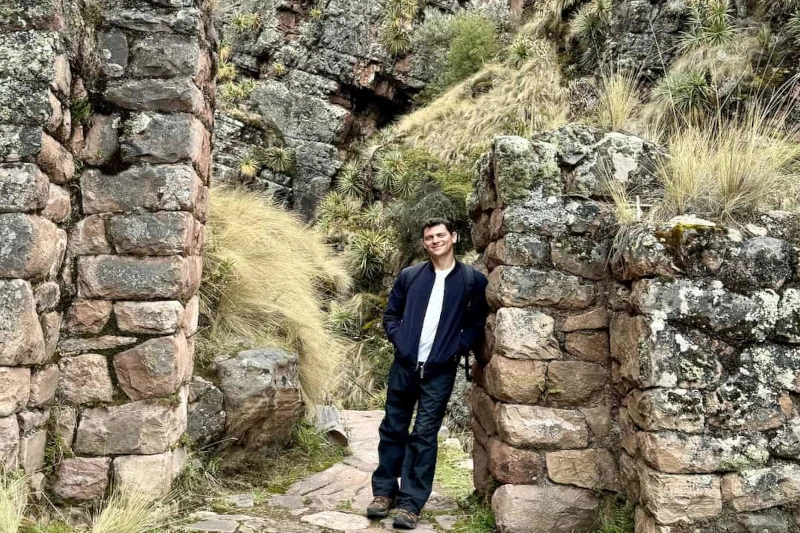
Exploring the Ruins: Your Reward at the End of the Trail
Coming out of the canyon, one eventually gets to the ruins of Huchuy Qosqo, that occupy a beautiful natural balcony, commanding the Sacred Valley. Upon entering its gates, the initial impression is the amazing calm, which compares to the best-known places in Peru. You can also intend to explore these old spaces in your own time by having direct exposure to the past.
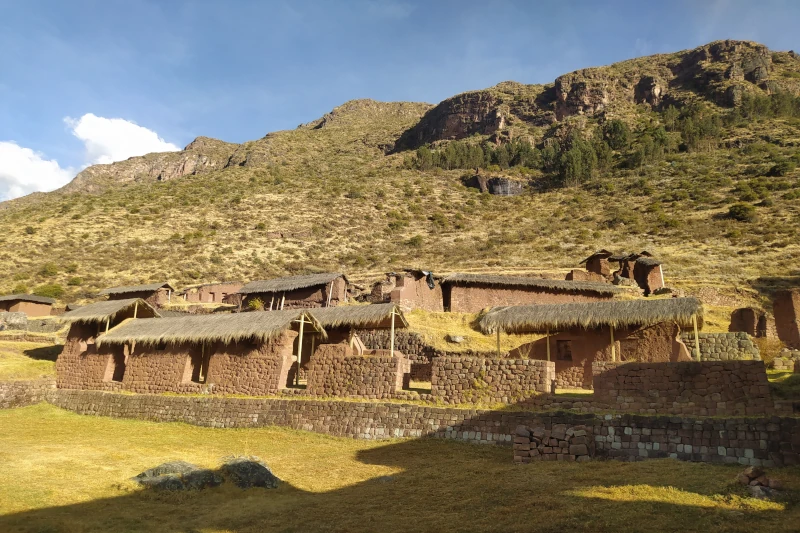
The site contains a spectacular two story stone and adobe structure which is thought to be a kallanka, or great hall. A closer inspection of the walls will show you first-hand the genius of Inca stone work; there are parts of it which are polished and free of mortar which just place the stones in a puzzle-like fashion with each other. Beneath the main complex, there is a row of elegant agricultural terraces, which show how the Inca had mastered their mountain setting and were able to cultivate crops on hilly slopes that are still very strong even to-day.
However the most rewarding thing of the Little Cusco hike could be the feelings of tranquility. Whereas other places are busy with business, this is where you can find a quiet space, sit on a wall that is 500 years old and just take in the history. Such a sense of ownership of a lost city is the real magic of Huchuy Qosqo and something that is to be remembered forever.
Planning Your Trek: When to go
The most important thing in order to achieve those epic mountain views is timing your adventure. The Huchuy Qosqo hike is most optimal in the dry season of Peru, which is between April and October. To have the perfect mix of pleasant weather and green, fertile scenery remnants of the rainy season seek out April, May, September or October. You will be compensated by the blue skies and the pleasant hiking weather.
Although it is easy to think about the Huchuy Qosqo trek without a guide, the logistics of accessing the remote trailhead is often complicated, as well as the road through the path. To be safe, convenient and have a better experience, it is strongly advised to book a guided tour. A tour operator will care of the transport to be taken to Cusco, offer a well versed guide that will make the history come alive, and make sure you are not alone hiking at high altitude.
The Packing List to Take on Your Huchuy Qosqo Hike
Huchuy Qosqo trail packing is all about having the gears to be ready to have four seasons in a single day. The secret is layering. It will probably begin with the fresh morning air, and then become stifling heat on the uphi
ll side of your hike, and then you might need some shield against wind or rain that comes in at high pass. Instantly adjustable To a breathable t-shirt, a warm fleece, and a waterproof jacket. Stay home with the cotton shirts and jeans, they are stuffy and they can leave you cold and uncomfortable.
This will be a guiding and tour company that will take care of the main gear, leaving only a small day pack with your personal items. The following is a bare-bones pack list to the Huchuy Qosqo hike in order to be comfortable throughout the hike:
- Small daypack (20-30 liters)
- Water (at least 1.5 liters)
- Sun protection: A wide-brimmed hat, sunglasses, and high-SPF sunscreen are crucial.
- Clothing layers: A moisture-wicking t-shirt, a mid-layer fleece, and a rain jacket.
- Broken-in hiking shoes with good grip.
- High-energy snacks like granola bars or nuts.
- Camera or smartphone for photos.
- Small local currency for tips or any small purchases.
Is the Huchuy Qosqo Trek Worth It? The Final Verdict
Instead of having a vague idea of a Peruvian adventure with its well-travelled, tourist trails, you have heard about one of the best secrets that Cusco has to offer. A hiking adventure should be not only big but also intimate, with skies of Andes to oneself without the hordes.
Is the Huchuy Qosqo trek, therefore, worth it? Absolutely. Being one of the greatest Sacred Valley short alternative treks, it presents an ideal combination of Inca history, level of leadership, and deep solitude.
Now you can afford a real Andean adventure. It does not start by climbing a mountain pass that is steep, but by just glancing at your calendar. Arrange those couple of necessary acclimatization days in Cusco, and prepare the unrivalled highlight most of the travelers entirely overlook.