
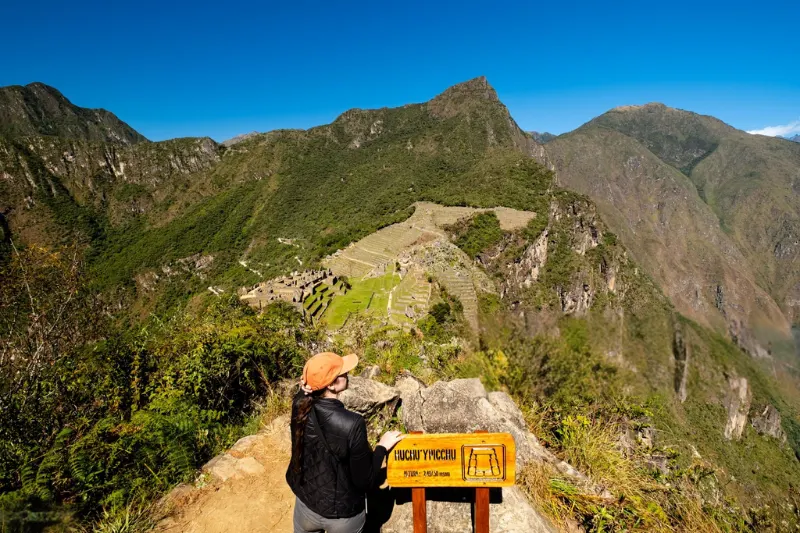
Huchuy Picchu is a smaller mountain located within the Machu Picchu Historic Sanctuary, situated beside the more prominent Huayna Picchu. Its name translates to «Small Mountain» in Quechua, and it offers an alternative viewpoint hike for visitors seeking a shorter, less demanding option than the two more famous mountain climbs at the site. This guide focuses on the details travelers actually need: tickets, timing, what to pack, cost comparisons, physical preparation, and how to avoid common mistakes.
Access to Huchuy Picchu requires a specific ticket, typically bundled with Machu Picchu Circuit 3D, and the trail itself is considerably shorter than either Huayna Picchu or Machu Picchu Mountain. Getting the logistics right in advance avoids complications on the day of the visit, particularly since tickets are limited and generally non-refundable once purchased.
Ticket requirements and booking
Access to Huchuy Picchu is not included in a standard Machu Picchu entrance ticket. Visitors must purchase a ticket that explicitly includes this hike, commonly bundled with Circuit 3D, though exact naming and bundling can change based on updates from the Ministry of Culture from one season to the next.
Daily capacity for mountain hikes is limited, and tickets can sell out during peak season, particularly between May and September. Booking through the official Ministry of Culture platform or an authorized agency at least one to two months in advance is strongly recommended for travelers with fixed dates, and even earlier during July and August when demand peaks alongside school holidays in several countries.
Entry to the mountain trail follows a timed schedule separate from the general Machu Picchu entry window. Confirming both the sanctuary entry time and the specific mountain control window when purchasing tickets matters, since arriving outside the assigned slot can result in denied entry with no refund offered, regardless of the circumstances.
Tickets are typically sold in two entry groups per day, usually a morning and a slightly later morning slot, since access to the mountain trails closes earlier than the general citadel visiting hours. Confirming the exact cutoff time for the specific date of travel avoids the common error of assuming the mountain gate stays open as long as the main site does.
When to visit
The dry season, running from May to October, offers the clearest views and the lowest chance of a rained-out hike, though it also brings the largest crowds and the highest demand for tickets. June through August specifically sees the highest volume of visitors overall, which also affects wait times at the bus queue in Aguas Calientes each morning.
The shoulder months of April and November tend to offer a reasonable compromise: fewer crowds than peak season, with weather that is usually still cooperative for photography and comfortable walking conditions. The wet season, December through March, brings a real risk of slippery stone steps and reduced visibility from mist, though it also means significantly fewer people on the trail and shorter lines at the entrance gate.
Regarding time of day, booking the earliest available entry slot into Machu Picchu, generally around 6:00 to 7:00 AM, allows visitors to reach the Huchuy Picchu control gate before the trail gets crowded. It also helps avoid the midday sun becoming intense, which matters more than it sounds given the exposed nature of the climb. Later entry slots, closer to midday, tend to coincide with larger tour groups arriving at the same viewpoint. This can make the small summit area feel crowded even though the hike itself sees fewer total visitors than Huayna Picchu.
What to pack
Because the hike is short but takes place at altitude with unpredictable weather, packing correctly matters more than the modest distance might suggest.
- Footwear: sturdy shoes or hiking boots with good traction; the stone steps become slippery when wet, and sneakers with worn soles are a common cause of minor slips reported by visitors.
- Water: at least 1 liter per person, since no vendors operate along the trail or inside the sanctuary itself, and dehydration at altitude sets in faster than expected.
- Sun protection: sunscreen, sunglasses, and a hat, since UV exposure at this elevation is significant even on cloudy days.
- Rain layer: a lightweight, packable rain jacket or poncho, given how quickly weather shifts in this cloud forest environment.
- Snacks: small, easily packed snacks like nuts or energy bars, since food consumption inside the ruins themselves is restricted to designated areas outside the archaeological zone.
- Documentation: the original passport used to purchase the ticket, along with the physical or digital ticket itself, both required at the control gate without exception.
- Cash: a small amount of Peruvian soles for bathroom access or last-minute purchases in Aguas Calientes before or after the hike.
Large backpacks over 20 liters are not permitted inside the archaeological site, so a small daypack is the more practical choice. Oversized bags will need to be checked at the entrance lockers, which involves an additional wait during busy periods.
Physical preparation
Arriving unprepared for the combination of altitude and stairs is the most common reason visitors find this hike harder than expected. Spending at least two full days in Cusco or the Sacred Valley beforehand allows the body to begin adjusting to the reduced oxygen levels found above 3,000 meters.
Basic cardiovascular fitness helps considerably, though no specialized training is required for a hike this short. Travelers coming directly from sea-level destinations without any acclimatization days often report feeling more winded on this trail than the distance would suggest, simply due to the elevation. Staying hydrated in the days leading up to the visit contributes to a more comfortable experience. Avoiding excessive alcohol the night before and eating a light breakfast also help.
Trail difficulty and what to expect
Hike to Huchuy Picchu is significantly shorter and less demanding than either Huayna Picchu or Machu Picchu Mountain. The round trip typically takes between 30 and 60 minutes, depending on pace and time spent at the summit taking photos and resting.
The trail consists of stone steps and short switchbacks. While generally considered easy to moderate, the combination of uneven steps and altitude can make it feel more strenuous than the short distance suggests, particularly for visitors who have not yet acclimatized in Cusco. Visitors with basic mobility and a steady pace should complete the hike without significant difficulty, though those with knee sensitivity may want to bring a trekking pole for the descent, since the steps vary noticeably in height from one section to the next.
Comparing Huchuy Picchu to other hiking options
Travelers deciding between the three hiking options available within Machu Picchu should weigh time, difficulty, ticket availability, and the type of view each one offers before booking.
- Huchuy Picchu: shortest option, 30 to 60 minutes round trip, offers a closer view across the citadel, generally easier to get tickets for even close to the travel date.
- Huayna Picchu: longer and steeper, involves narrow stairs with significant exposure, offers a dramatic overhead view, sells out fastest of the three.
- Machu Picchu Mountain: the longest of the three, requiring two to three hours round trip. It offers the highest vantage point but demands considerably more physical effort and better acclimatization beforehand.
Travelers with limited time, mixed-ability groups, or those who missed the ticket window for Huayna Picchu often choose Huchuy Picchu as the practical fallback. Many report preferring the experience regardless of it being a secondary choice.
Cost comparison
Ticket prices for the mountain add-ons vary and are typically bundled with the base Machu Picchu entrance fee rather than sold separately. As a general reference for budgeting purposes:
- Machu Picchu entrance plus Huchuy Picchu: usually priced close to the standard entrance fee with a modest add-on.
- Machu Picchu entrance plus Huayna Picchu: typically the most expensive combination, reflecting its popularity and limited daily slots.
- Machu Picchu entrance plus Machu Picchu Mountain: priced similarly to the Huchuy Picchu combination in most cases.
Prices differ for foreign adults, Peruvian and Andean Community nationals, and students with valid identification. Confirming the applicable rate during purchase avoids being charged the standard foreign visitor price by mistake. Students should bring a physical, valid ISIC card, since digital copies or photographs of the card are frequently rejected at the ticket counter.
Photography considerations
The summit of Huchuy Picchu offers a compact but rewarding vantage point. A few practical tips help visitors make the most of the limited space available. The platform at the top accommodates only a small number of people comfortably, so arriving early in the entry window reduces the likelihood of waiting for a clear shot.
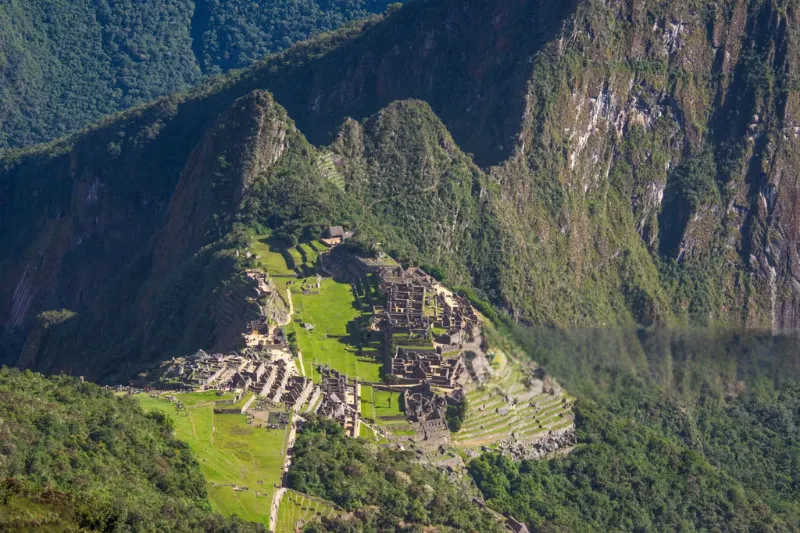
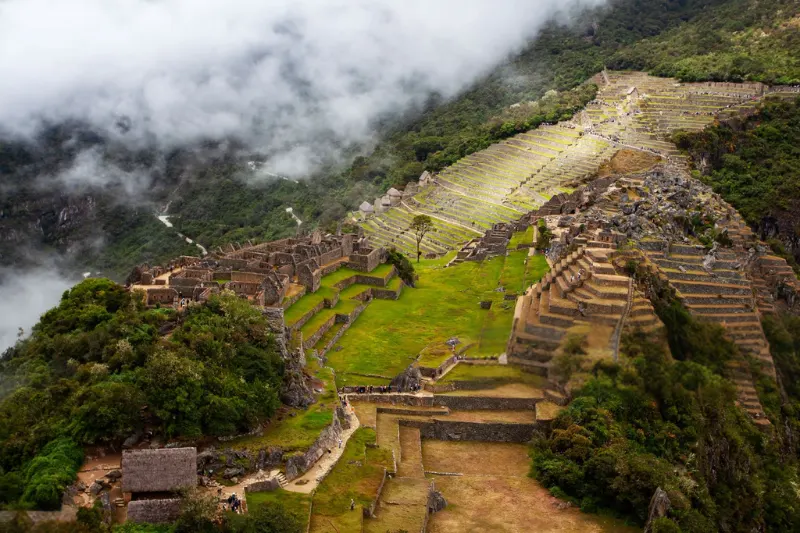
A wide-angle lens setting, whether on a dedicated camera or a smartphone, captures more of the citadel layout in a single frame. This works well because the distance to the ruins from this angle is closer than from either of the other two mountain viewpoints. Morning light tends to produce sharper contrast between the stone structures and the surrounding greenery. Midday sun, by contrast, can wash out some of the detail in photos taken from this particular angle.
Common mistakes to avoid
A handful of avoidable errors account for most problems travelers run into with this hike.
- Booking the wrong circuit: purchasing a standard Machu Picchu ticket without confirming it includes the Huchuy Picchu add-on. This is the single most common mistake reported by visitors.
- Bringing the wrong passport: rangers check the exact passport number used at purchase. Bringing a different document, even a valid one, results in denied entry.
- Underestimating altitude: treating this as a casual walk without acclimatizing beforehand can lead to unexpected fatigue despite the short distance.
- Skipping sun protection: cloudy skies at this elevation are misleading. Sunburn is a common complaint from visitors who skip sunscreen, thinking the overcast day protects them.
- Arriving late to the control window: the mountain gate operates on a strict schedule. Missing the assigned window is generally non-negotiable, regardless of the reason.
- Overpacking the daypack: bringing more than the essentials adds unnecessary weight for what is ultimately a short climb. Heavier bags are also more likely to be flagged at the entrance checkpoint.
Practical notes before you go
Access to Huchuy Picchu depends on a specific circuit and control gate. Confirming the exact ticket type before arrival is essential, since circuit names and bundling arrangements are periodically updated by Peru’s Ministry of Culture.
Checking the official ticketing platform close to the travel date remains the most reliable way to verify current requirements and pricing. Travelers combining this hike with a full tour of the ruins should plan their schedule carefully. Both the hiking time and the standard circuit walk need to be factored in.
Rushing through either one reduces the overall experience and increases the risk of missing photo opportunities at the summit before the light changes. Allowing a buffer of at least 30 extra minutes beyond the estimated hiking time is worth it. This accounts for lines at the control gate and any brief rest stops needed along the way.