
Most people who start planning this trip hit the same wall pretty quickly. They search online, find a hundred articles saying different things, and end up more confused than when they started. Machu Picchu has more moving parts logistically than most destinations and finding that out after booking flights is a bad position to be in.
This machu picchu travel guide cuts through the noise. Timing, altitude, getting there, which ticket actually gets you where you want to go, and what it costs. The stuff worth knowing before any money changes hands.
Why the ‘Best’ Month Matters: Choosing Between Peak Crowds and Rainy Peaks
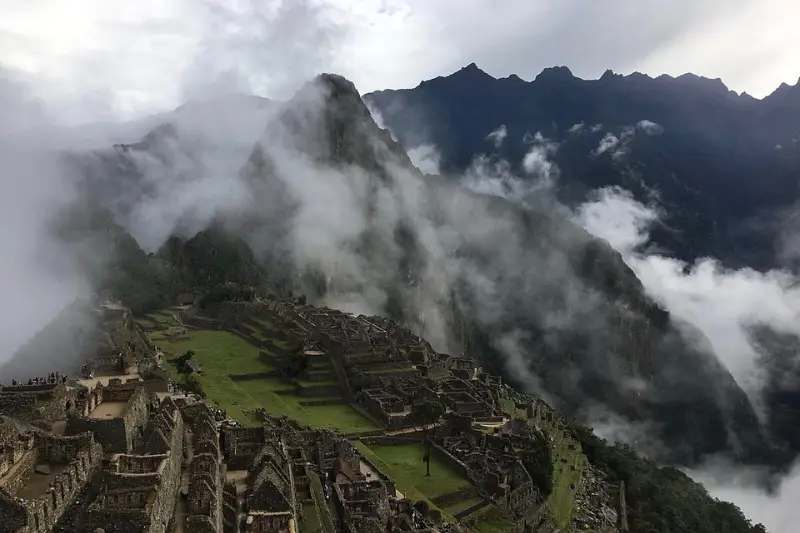
June through August gets the clearest skies and the most visitors. Those two things always come together. May and September are where most people who’ve thought it through end up landing. Rain is mostly done, crowds haven’t peaked, weather holds up most days without the June to August competition for permits and space.
Wet season is from November through March. Rain here means short sharp downpours, not grey all-day drizzle. Costs drop, the terrain is greener, and it’s manageable if flexibility is part of the plan. One firm rule though: avoid February if the Inca Trail is involved. The trail shuts completely that month for maintenance. Citadel stays open, trail doesn’t.
- Dry Season (May to Aug): Best weather, biggest crowds.
- Shoulder Season (Sept to Oct, April): Decent weather, manageable crowds.
- Wet Season (Nov to March): Lower costs, daily showers, February trail closure.
Pick the dates first. Everything else in this machu picchu travel guide depends on when the trip is actually happening.
The 48-Hour Acclimatization Rule: Preventing Altitude Sickness in Cusco
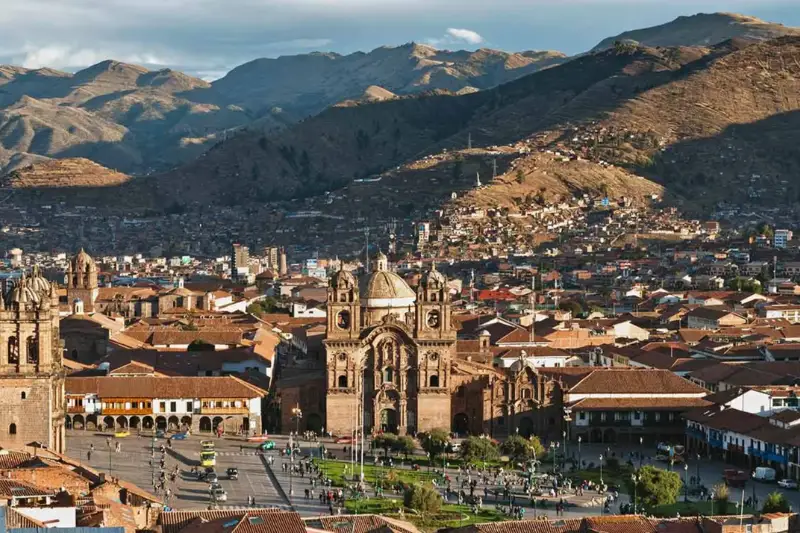
Cusco sits at 11,152 feet, which is higher than Machu Picchu itself. Most travelers land and immediately try to do things, then spend the first two days with a headache wondering what went wrong. The fix requires planning for it before arrival.
When you land, go straight to the Sacred Valley instead of staying in Cusco. Towns like Ollantaytambo sit lower and give the body 48 hours to adjust before going higher. Simple fix that most first-timers skip because nobody told them Cusco was the problem.
Three things worth sorting before the trip:
- Hydration: Three liters of water daily. Dry mountain air dehydrates faster than expected.
- Coca Tea: Available in most hotel lobbies. Works reasonably well for mild symptoms.
- Medication: Ask a doctor about Sorojchi pills or Diamox before leaving. Not something to figure out feeling sick on day one.
Train or Trek? Choosing Your Path to the Citadel
How you arrive matters more than most people expect before making the call.
The classic Inca Trail is four days of hiking through ruins and mountain terrain ending at the Sun Gate, where the citadel appears below you on the final approach. That entrance is exclusive to Inca Trail hikers. Government caps limit daily numbers and permits fill around six months out. Any honest machu picchu travel guide puts this permit at the top of the booking list, ahead of flights, ahead of everything.
The Salkantay Trek is a different experience. Glacial passes, cloud forest, serious elevation change. Harder physically than the Inca Trail, far less crowded, and the booking window is more flexible. Worth considering seriously if Inca Trail permits are already gone or if natural scenery is the priority over historical ruins along the route.
The train is how most people get there. Direct to Aguas Calientes at the base of the mountain, comfortable, no physical demands beyond walking the ruins. A shuttle bus covers the road up to the entrance from town. Book one to two months out.
- Inca Trail: Historical route, Sun Gate entry, six months out minimum.
- Salkantay Trek: Natural terrain, fewer crowds, physically harder, flexible booking.
- Train: Most common, comfortable, one to two months ahead.
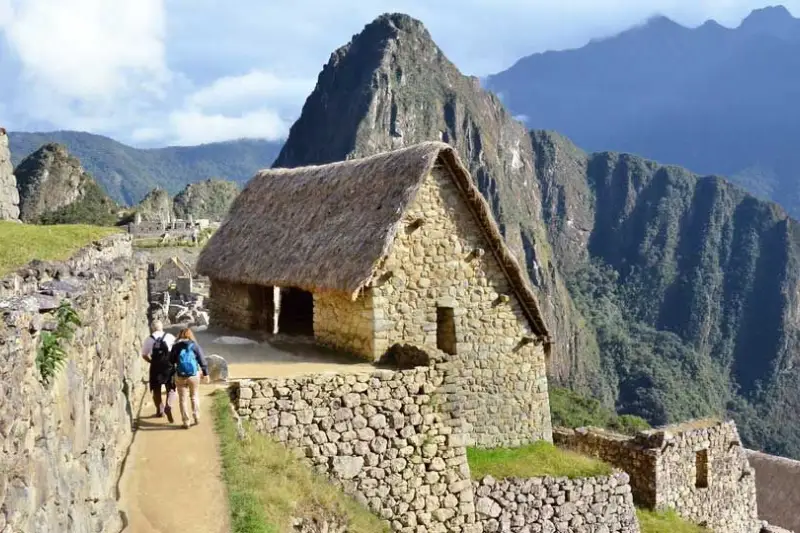
Demystifying the 4-Circuit System: How to Get the Iconic ‘Guardian House’ Photo
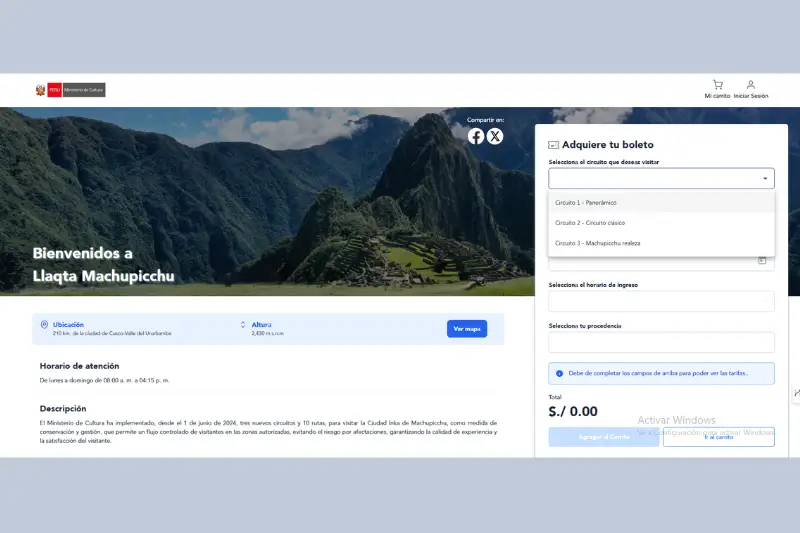
This is the section most people wish they’d read before booking. Machu Picchu dropped general admission. These site runs on specific one-way circuits chosen before entry, and switching once inside isn’t possible.
The most common mistake is buying a ticket that covers the lower stone areas but locks out the upper terraces. The Guardian House panoramic photo that shows up in every article and every machu picchu travel guide requires a circuit with upper platform access. That’s Circuits 1 or 2. Walk past a checkpoint on the wrong circuit and the view isn’t reachable.
- Circuits 1 and 2: Upper terraces, panoramic viewpoint, Guardian House. Best for photography.
- Circuits 3 and 4: Lower archaeological areas, close access to temples and stonework. Better for historical detail over views.
Mountain permits sell out faster than the main tickets. Huayna Picchu is steep and short with a direct overhead view. Machu Picchu Mountain is longer and higher with a less vertical approach. Both attach to specific circuits. If either mountain is part of the plan, that permit gets booked before anything else.
The ‘Hidden’ Costs of Discovery: Budgeting for More Than Just Tickets
The shuttle bus from Aguas Calientes to the ruins runs about $24 USD round trip. Most people don’t budget for this because it doesn’t appear clearly during initial research. Walking the steep road up is technically an option but not a realistic one for most people on a travel day.
A guide is required at the entrance. Budget $25 to $60. Beyond the requirement, someone who knows the site makes the visit significantly more useful than reading plaques and guessing at context.
The real variable is the Cusco to Aguas Calientes leg. Budget travelers combining shared transport can cover it around $200 total. Vistadome train with a hotel in Aguas Calientes pushes past $600 for the day. Money doesn’t fix a permit problem though, which is the part this machu picchu travel guide keeps coming back to because it’s the piece that wrecks the most trips.
Your Machu Picchu Action Plan: The 3-Step Booking Timeline
The difference between a trip that works and one that doesn’t almost always comes down to when specific steps happened. Hard visitor caps get reached earlier than most people expect.
- 6 Months Out: Circuit permits or Inca Trail spots. The step that causes the most problems when delayed.
- 2 Months Out: Train tickets and Aguas Calientes accommodation.
- 1 Week Out: Gear check. Poncho, broken-in boots, altitude medication confirmed.
One thing no machu picchu travel guide should leave out: original passport only. No photo, no copy, no digital version. The actual document or no entry, no exceptions at the gate.
Q&A
When is the best time to visit?
May and September hit the best balance. The dry season June to August has the clearest weather but the most people. Wet season November to March works if rain doesn’t bother you. Skip February if the Inca Trail is part of the plan.
How do I avoid altitude sickness in Cusco?
Skip Cusco on arrival and head straight to the Sacred Valley. Give the body 48 hours at lower elevation. Three liters of water daily, coca tea at the hotel, and sort altitude medication with a doctor before leaving home.
Trek or train?
Inca Trail for the historical route and Sun Gate entry, permits six months out. Salkantay if those are gone or natural terrain is the priority. Train if time and comfort come first, one to two months ahead is usually enough.
Which circuit gets the Guardian House photo?
Circuits 1 or 2. Circuits 3 and 4 cover the lower areas without the high viewpoint. No switching once inside.
What hidden costs should I plan for?
Shuttle bus around $24 round trip, guide $25 to $60. Total trip ranges from $200 budget to $600 plus for the comfortable version. Permits not secured on time are the one problem money can’t fix at the last minute, which is why every section of this machu picchu travel guide circles back to booking early.