
Peru has landscapes that stop people cold and don’t apologize for it. Rainbow mountain peru, Vinicunca traditionally, got consumed by social media until a quiet alpine experience became a daily crowd event. Thousands of people competing for the same photograph from the same angle.
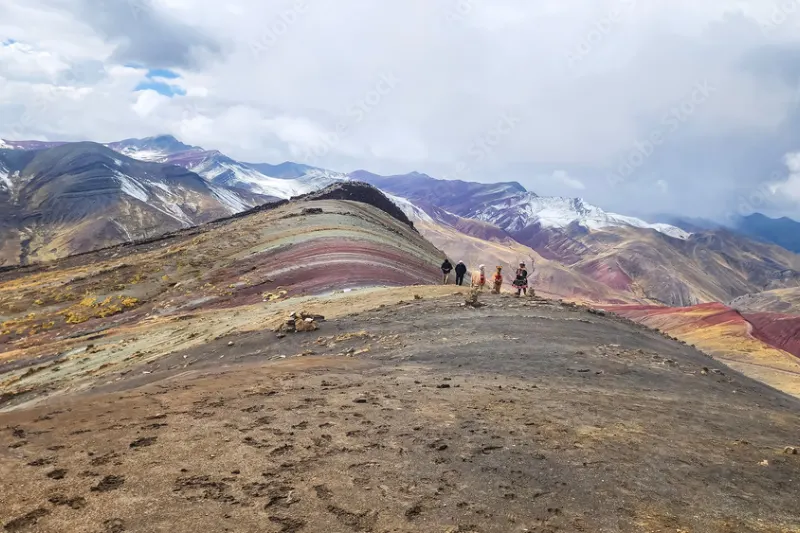
Palccoyo Rainbow Mountain doesn’t work that way. Same colors, three peaks instead of one, fraction of the visitors, terrain that doesn’t demand hours of punishment just to reach something worth seeing. Anyone wanting the high-altitude rainbow experience without the crowd density or physical toll, palccoyo mountain is where that trip actually exists.
The Allure of the Andes: Understanding the Rainbow Phenomenon
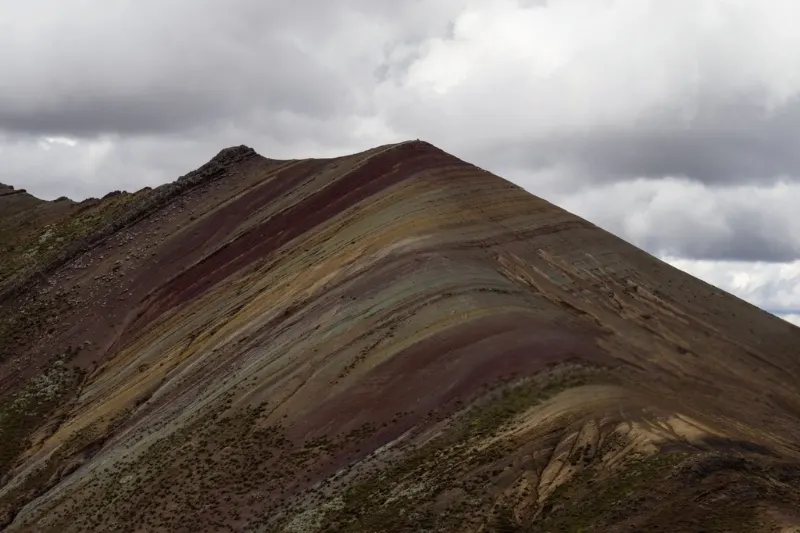
The Science Behind the Colors
This region sat underwater millions of years ago. Sediment, minerals, sand all compacting into distinct layers over time nobody alive can comprehend. Tectonic plates collided, the Andes pushed skyward, hidden layers tilted sideways and broke the surface. Wind, weathering, glacial melt eroded topsoil across decades and revealed mineral deposits invisible since before humans existed anywhere near them.
What those colors actually represent:
- Red and Pink: Iron oxide, environments once saturated in oxygen.
- Yellow and Gold: Iron sulphide and sulfur compounds from deep geological time.
- Purple and Lavender: Oxidized limonite mixed with silicates.
- Green and Turquoise: Chlorite and ferromagnesian minerals pulled from within the earth’s crust.
The Palccoyo Advantage: Three Peaks
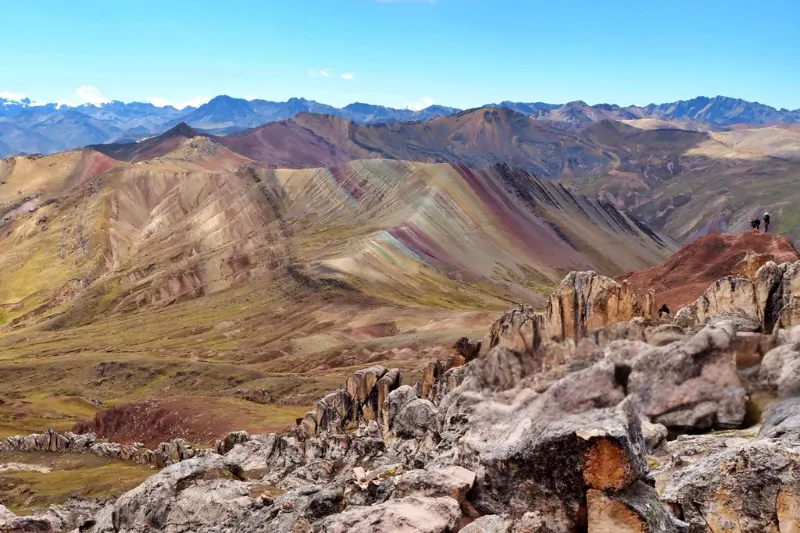
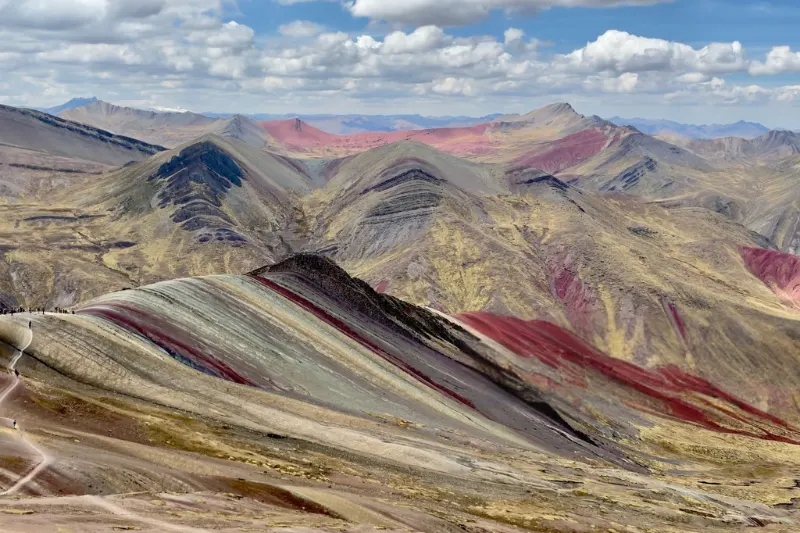
Vinicunca sends hikers hours uphill to reach one mountain. Palccoyo Rainbow Mountain delivers three distinct rainbow peaks simultaneously from the moment of stepping off the vehicle. No repositioning. No hunting for the right angle. Where are the rainbow mountains exactly? Both Vinicunca and Palccoyo sit in the Cusco region of southern Peru, roughly three hours from the city. But Palccoyo’s location near Checacupe and Pitumarca keeps it off the mainstream tourist circuit in ways Vinicunca never managed once the photographs spread.
Palccoyo vs. Vinicunca: Making the Right Choice
Comparing the Difficulty Levels
Vinicunca demands a steep punishing climb. Altitude and gradient combine into something that tests experienced hikers regardless of prior fitness. Two to three hours each way, Palccoyo Rainbow Mountain starts the rainbow mountain trek already positioned close to the peaks. Walking distance for tourists is dramatically shorter as a result.
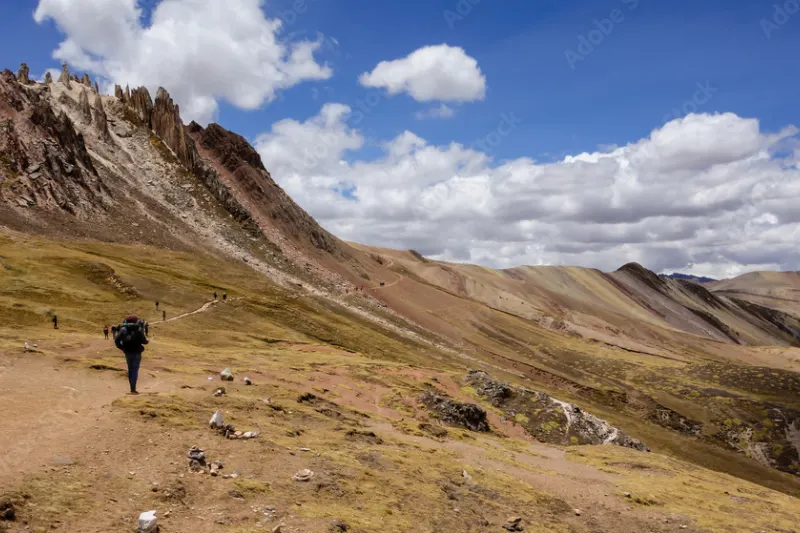
Mostly flat, gradual inclines, main viewpoints reachable in 30 to 45 minutes. Family vacations in Peru including high-altitude experiences find Palccoyo works where Vinicunca simply doesn’t. Shorter flatter trail handles children, older family members, anyone not committed to multi-hour altitude climbing just to see mineral stripes.
Escaping the Tourist Trail
Vinicunca gets pushed by nearly every agency operating out of Cusco. Absorbs all the mass tourism that generates. Shoulder-to-shoulder crowds waiting turns at the summit photograph is what most visitors actually find there.
A palccoyo rainbow mountain tour runs differently. Trails quiet enough to hear wind through the grass. Wildlife calls carrying across the valley without crowd noise competing. The Quechua people consider these mountains sacred and Palccoyo carries that atmospheric weight in ways Vinicunca lost somewhere on the path to international fame.
The Journey Begins: Navigating the Route
Drive Through the South Valley
Cusco to Checacupe takes roughly two to three hours following the Vilcanota River. Checacupe gets less attention than it deserves. Three historic bridges sitting side-by-side over the same river, each from a completely different era:
- The Inca Bridge: Traditional woven ichu grass suspension bridge similar to the famous Q’eswachaka.
- The Colonial Bridge: Stone structure the Spanish built in the 17th century for horses and carts.
- The Republican Bridge: Iron construction from the 19th century.
Three bridges, three centuries, same water running underneath. Worth stopping for before the mountain road takes over.
The Ascent to the Trailhead
Past Checacupe and Pitumarca, paved road gives way to unpaved mountain track for about an hour and a half. Green valley shifts gradually to high-altitude puna. Terraced potato fields, small indigenous communities, alpaca herds grazing the hillside. Worth watching through the window.
The Trail Experience: What to Expect on Foot
A Walk Through Colorful Valleys
Palccoyo trailhead at roughly 4,900 meters, 16,076 feet. First colored mountain visible almost immediately after stepping onto the path. Gentle trail winding along the valley side, well-marked throughout. Slow pace is the right call at this elevation regardless of how someone feels at sea level. New angles on the mineral stripes appear at every turn without additional climbing.
The Majestic Ausangate Glacier
Clear days reveal Ausangate on the horizon. Highest peak in the Cusco region at 6,384 meters, an Apu in local Quechua belief, sacred mountain deity providing glacial water to valleys below for generations.
The contrast between Palccoyo’s warm mineral colors and Ausangate’s white ice is a photographic combination that landscape photographers plan entire trips around. Rainbow mountain peru is famous but this specific pairing of colored earth against glacial white isn’t something Vinicunca offers from the same angle.
Exploring the Stone Forest
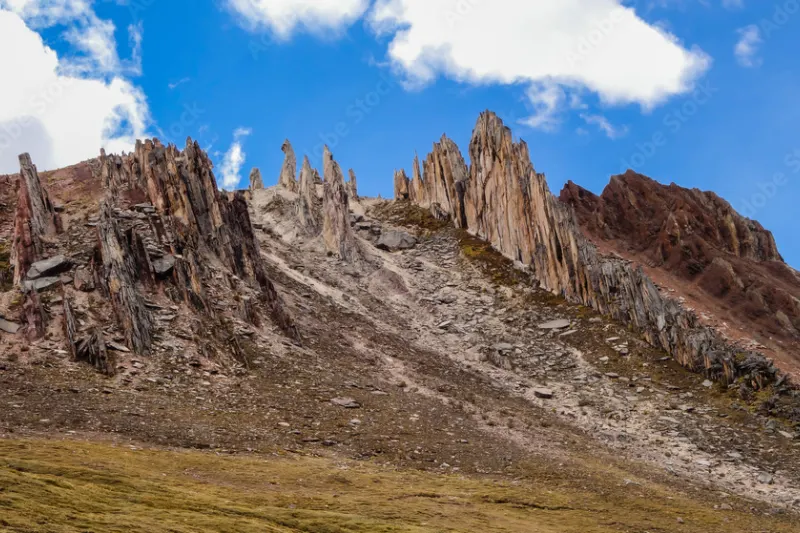
At the highest point of the Palccoyo hike, around 4,980 meters, the Bosque de Piedras appears. Dense cluster of towering jagged limestone pillars carved by wind and rain over millions of years.
Moving through them feels like navigating something between natural formation and ruined ancient architecture that nobody built intentionally. The vantage from the stone forest delivers the best panoramic view of the entire Palccoyo valley and all three rainbow peaks below simultaneously.
Cultural Encounters Along the Way
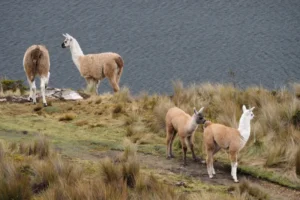
Palccoyo retains authentic pastoral character that commercialized zones shed fast. Local llama herders in traditional brightly colored Andean clothing guide flocks across the vividly striped hills. Quiet, unhurried encounters. The same scene has played out on these mountains for centuries and at Palccoyo it still does without anything performed for outside consumption.
Step-by-Step: A Typical Day Trip Itinerary from Cusco
4:30 AM – 5:00 AM: Hotel Pick-up
Before dawn. Guide and driver at accommodation. Early start necessary because Palccoyo sits further than the Sacred Valley and afternoon mountain weather at this elevation shifts fast.
7:00 AM: Breakfast in the South Valley
Small local town stop, typically Cusipata or Checacupe, for a proper meal before the altitude. More important than most visitors expect before spending a morning at 5,000 meters.
8:00 AM: Exploring Checacupe
Brief stop at the three historic bridges. Fifteen minutes that reframes the rest of the journey before the mountain road begins.
8:30 AM – 10:00 AM: The Mountain Ascent
Winding dirt roads toward the Palccoyo trailhead. Alpaca herds and rural farming communities visible through the window.
10:00 AM – 11:30 AM: The Palccoyo Trek
Rainbow mountain trek across three distinct rainbow peaks, photographs from every angle, hike to the Bosque de Piedras for panoramic Ausangate glacier views.
11:30 AM – 12:15 PM: Descent and Return to Vehicle
Easy downhill walk back to transport after the main viewpoints.
1:30 PM: Lunch
Traditional Peruvian buffet in the valley. Quinoa, potatoes, warming soups, fresh vegetables. Anyone who explored Peruvian cuisine in Cusco before this trek recognizes the same ingredients in their most direct form here. Quinoa soup made from grain grown nearby rather than a restaurant version built around tourist expectations. The meal that makes the afternoon drive back comfortable.
4:30 PM – 5:00 PM: Arrival in Cusco
Drop-off at hotel or city center with time for dinner and rest.
Conquering the Elevation: Altitude Sickness Prevention
Palccoyo sits at nearly 5,000 meters, over 16,000 feet. Soroche doesn’t discriminate by age, fitness, or prior hiking experience. Headaches, nausea, shortness of breath, dizziness, fatigue. Any of these arrive without signal and end a day that took months of planning to reach.
Acclimatization is Key
Three to four days in Cusco at 3,400 meters, or the Sacred Valley at 2,800 meters, before attempting Palccoyo. Not two days. Not one. The body needs actual adjustment time before going higher. Light exploration during those initial days rather than exertion burning the window before it closes.
Hydration and Nutrition
High altitude air is dry and moisture loss runs faster than thirst signals it. Three to four liters of water daily leading up to and during the trek. No alcohol the night before. Heavy fatty meals demand more oxygen for digestion than altitude comfortably allows. Light carbohydrate-rich food before the hike performs noticeably better than anything heavier in practice.
Traditional and Medical Remedies
Coca leaf tea, available in virtually every hotel in Cusco, addresses altitude fatigue the way indigenous Andean communities managed it for thousands of years before pharmaceutical alternatives existed anywhere near these mountains.
Chewing coca leaves during the hike provides a mild stimulant effect that works consistently at elevation. Acetazolamide worth discussing with a doctor before departure for anyone with altitude history. Reputable operators carry pulse oximeters and emergency oxygen in vehicles for situations that go beyond coca leaf tea.
Weather Patterns and the Best Time to Visit
The Dry Season (May to October)
Dry season is when the palccoyo rainbow mountain tour delivers what photographs suggest. Clear skies, brilliant sun hitting mineral stripes directly, stable dirt roads, dry paths. Colors under direct sunlight are categorically different from colors under cloud cover. Not subtle. Dramatic. The tradeoff is cold. Temperatures drop below freezing early morning and late afternoon regardless of how warm midday feels.
The Wet Season (November to April)
Warmer average temperatures but rain, fog, and snow are genuine risks. Heavy fog obscures the mountains completely on bad days. Snow covering mineral stripes produces a white hillside rather than a rainbow one. Shoulder months of November and April offer occasional clear days but require schedule flexibility rather than fixed dates.
Essential Packing Guide: Preparing for the Elements
Clothing Layers
- Base Layer: Moisture-wicking merino wool or synthetic shirt. Cotton retains moisture and gets cold fast at altitude.
- Insulating Layer: Warm fleece or alpaca wool sweater retaining body heat through the hike.
- Outer Layer: Windproof waterproof jacket. Wind at the Bosque de Piedras is piercing and weather shifts from sun to hail without warning.
- Pants: Flexible hiking pants. Jeans get restrictive and cold when wet.
Footwear
Hiking boots or trail shoes with solid grip. Trail can be dusty, rocky, and slippery depending on recent weather. Thick wool hiking socks for warmth and blister prevention throughout.
Accessories and Gear
- Sun Protection: Wide-brimmed hat, high-SPF sunscreen, polarized sunglasses. UV index at 5,000 meters is severe regardless of how cold the air feels.
- Cold Weather Gear: Warm beanie or traditional Andean chullo, gloves, buff or scarf for face protection.
- Daypack: Small comfortable backpack for water, snacks, and shed layers.
- Trekking Poles: Useful on uneven terrain and during descent on rocky sections.
- Cash: Small Peruvian soles for community entrance fees, local vendor purchases, and guide tips.
Responsible Travel in the Andes
Palccoyo’s ecosystem is fragile in ways that aren’t immediately obvious from the trail. Soils erode easily and high-altitude flora takes years to recover from foot traffic that compressed it in seconds. Stay on designated paths. Don’t step onto the colored stripes directly. Footsteps permanently damage geological formations that took millions of years to surface. Carry all waste out including organic material that doesn’t decompose in freezing dry alpine conditions.
Customized tours to Peru specifically including Palccoyo rather than defaulting to Vinicunca are worth seeking out. Smaller operators with genuine relationships to local Quechua communities rather than large standardized groups on fixed schedules. That choice keeps financial benefit local and keeps the landscape intact for the people who live next to it year-round rather than just visiting.
A Final Thought on Your Andean Adventure
Palccoyo Rainbow Mountain delivers what rainbow mountain peru promises without the conditions making Vinicunca increasingly difficult to enjoy. Three distinct rainbow peaks visible simultaneously, a gentle hike covering the terrain without punishing the body, Ausangate glaciers framing the horizon on clear days, the Bosque de Piedras stone forest adding a geological dimension the standard rainbow mountain trek doesn’t offer anywhere else on the route.
Dry season timing, proper acclimatization, layers covering the temperature range from cold vehicle to warm midday sun to biting afternoon wind, early start from Cusco. Those decisions determine whether the day at palccoyo mountain delivers what made Peru worth traveling to in the first place.